Politics · Explainer
Mary Peltola has passed 50 percent in Alaska's Senate count. Why the last uncalled race still is not officially over
She is above the one number that ends the race without a ranked-choice count, her opponent has no path on paper, and yet the AP call has not come. Alaska's slow count, and its second Dan Sullivan, explain the wait.
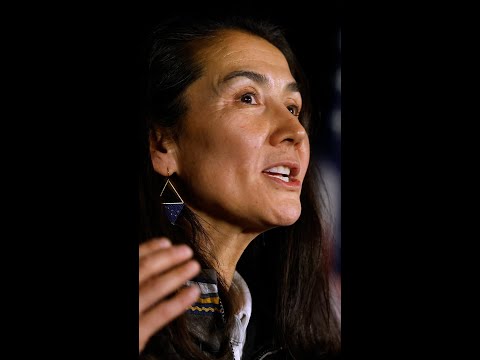
Watch: NBC News on why its Decision Desk rates Peltola likely to win, from NBC News.
Alaska's Senate race is the last one in the country still uncalled, and the math is closing around it. According to the Anchorage Daily News count, reported by BeezLoop, Saturday's release of about 4,000 additional ballots put former Representative Mary Peltola at 50.1 percent of first-choice votes to Senator Dan Sullivan's 46.1 percent. Friday night's fuller totals had her ahead 138,240 to 127,828, a lead of 10,412 votes with fewer than 12,000 ballots left to count statewide. Her campaign said Friday that there is no mathematical path left for Sullivan. He has not conceded; his spokesman says the campaign is still waiting for every ballot to be counted.
Key facts
"Likely" is not "called," and the difference matters
On Saturday, NBC News' Decision Desk moved Peltola to "likely" to win, a category NBC defines as at least 95 percent confidence, but it is a rating, not a projection, and the Associated Press has still not called the race. The reason for the caution is Alaska's system. The state counts slowly by design, with absentee ballots accepted until Wednesday, and it uses ranked-choice voting: if no candidate finishes above 50 percent of first-choice votes, the lowest candidates are eliminated and their voters' second choices are redistributed. Peltola sitting just above 50 percent is therefore the whole ballgame. Above it, she wins outright. Below it after the last ballots, the tabulation runs, and FairVote's preliminary tally of the rankings still has her winning, 51.5 to 48.5.
The other Dan Sullivan
The ranked-choice math has a wrinkle unique to this race: the ballot also contained a different Dan Sullivan, Dan J. Sullivan, who drew about 1.7 percent of first choices, alongside Gerald Heikes at about 2.1 percent. In a tabulation, those candidates drop out first, and where their voters ranked second decides close races. An Anchorage Daily News analysis of the 4,055 voters who picked the other Dan Sullivan first found about 30 percent ranked Peltola second against about 16 percent for the senator, one more reason the remaining paths for the incumbent are so narrow. A federal lawsuit seeking to block certification was dismissed before Election Day, and the state's certification target is November 25.
What a Peltola win would mean
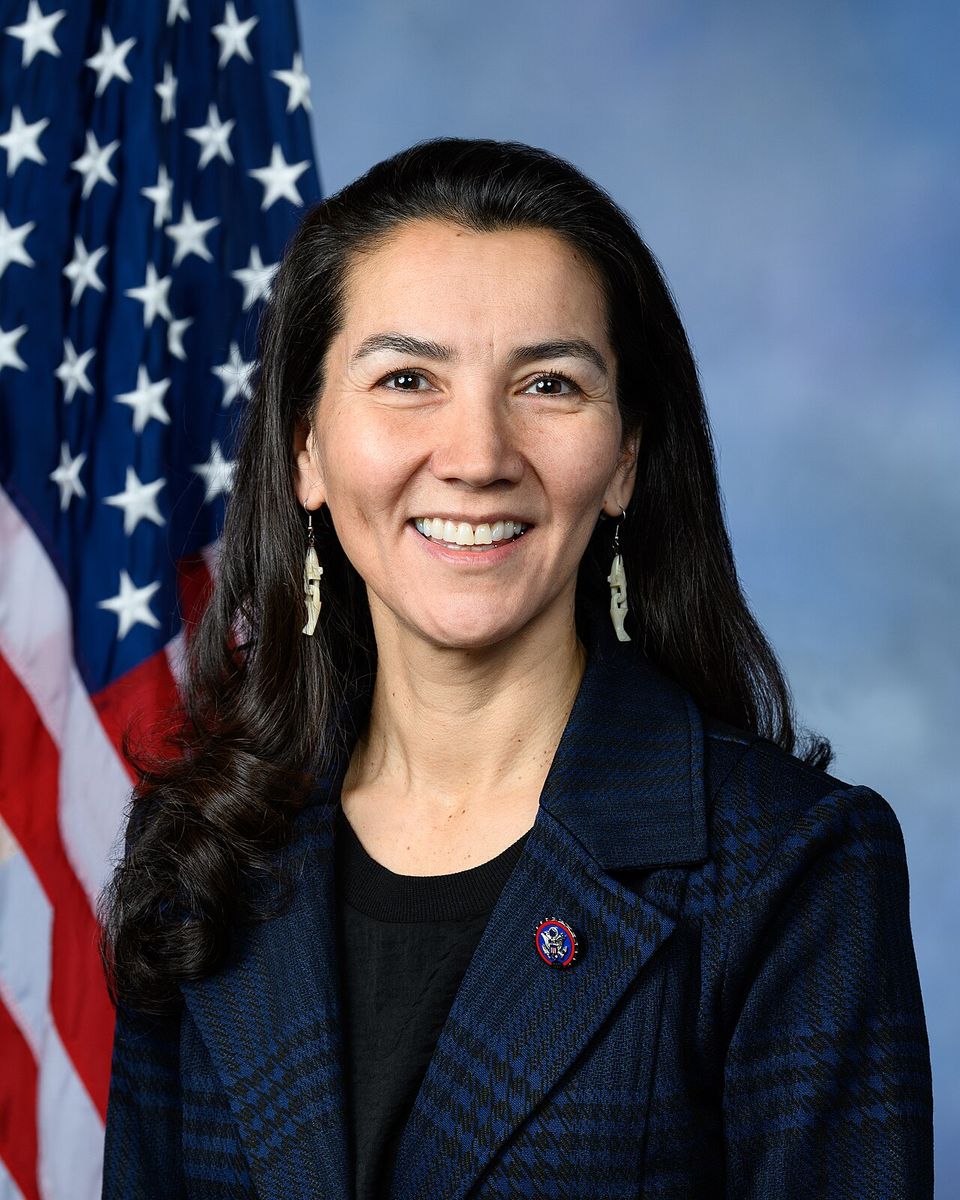
Peltola, the first Alaska Native member of Congress, held the state's House seat from 2022 to 2025 and built a brand around fish, family and an Alaska-first pitch that travels across party lines in a state Trump carried. Unseating an incumbent senator there would complete the Democrats' midterm map: a 56 to 44 Senate majority, assembled state by state, with the final seat decided by the slowest count in the country. The formal end comes in steps: the last ballots Wednesday, a tabulation only if the majority disappears, and certification on November 25. Until the AP calls it or Sullivan concedes, the race sits in the narrow space between all-but-decided and official.
Sources: BeezLoop, reporting the Anchorage Daily News count (the 50.1 percent figure and the campaign statements); FairVote (the preliminary ranked-choice tally and the tabulation schedule); Finwire (the same-name candidate analysis and the certification timeline).
Read us through Google? Add TrendBrief as a preferred source and Google will boost TrendBrief in your Top Stories when you search.