Money · Explainer
A judge approved Bayer's $7.25 billion Roundup settlement. Who can claim?
A Missouri judge has approved Bayer's $7.25 billion settlement of the Roundup cancer lawsuits, calling it fair, reasonable and adequate. Bayer pays into a fund over up to 21 years; people who used Roundup and have — or later develop — non-Hodgkin lymphoma can claim average payouts of $10,000 to $165,000. Who is covered, how the two subclasses work, and what happens next.
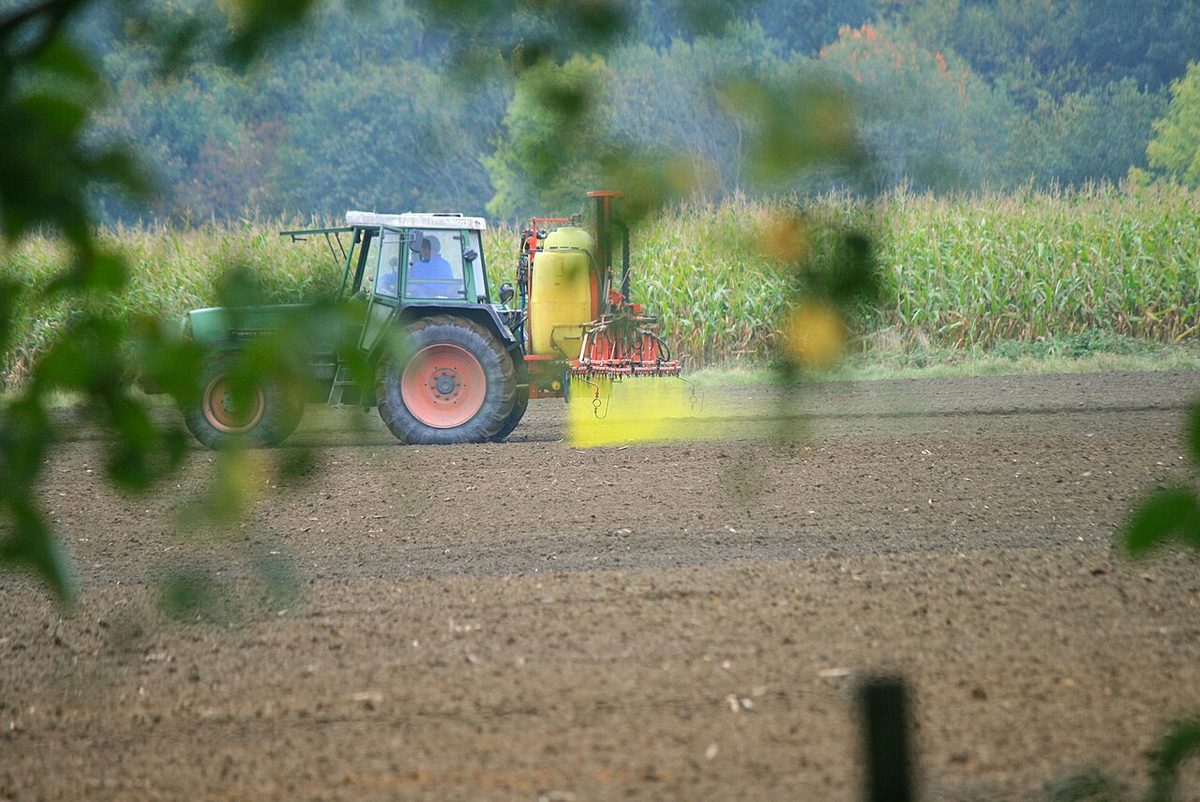
The Roundup litigation has hung over Bayer since it bought Monsanto in 2018. On Friday, a Missouri judge approved the deal meant to end most of it: $7.25 billion, paid over two decades, covering people who are sick now and people who have not been diagnosed yet.
The settlement, in numbers
What the judge decided
According to Reuters, a Missouri judge on Friday approved Bayer's $7.25 billion settlement of lawsuits alleging its Roundup weedkiller causes cancer, potentially resolving litigation that has weighed on the company for close to a decade. Judge Timothy Boyer of a St. Louis state court found the settlement "fair, reasonable, and adequate." The Associated Press adds that the judgment called the individual payouts "fair and adequate" and the total among the largest in mass-tort class-action history — and that the decision can be appealed, so Friday's ruling may not be the last word.
Who can claim
The settlement is built in two parts. As Agri-Pulse explains, there are two subclasses: people exposed to Roundup before February 17, 2026 who already have a diagnosis of non-Hodgkin lymphoma, and people who are diagnosed within a 16-year period after final approval. Per the AP, Bayer pays up to $7.25 billion over two decades — annual payments into a fund for up to 21 years — and individual payouts average $10,000 to $165,000 depending on how the person used the product, their age at diagnosis and the severity of the illness. Bayer CEO Bill Anderson called the approval "a decisive milestone" in the company's effort to close out the litigation.
Why Bayer wanted this deal
Roundup's active ingredient is glyphosate, and the lawsuits allege Bayer failed to warn users that it can cause non-Hodgkin lymphoma. Bayer has always disputed that claim, but juries in individual cases have returned enormous verdicts over the years, and the uncertainty — tens of thousands of claims, each a potential headline verdict — has pressed on the company's share price since the Monsanto acquisition. A class settlement trades that open-ended risk for a known, if very large, schedule of payments. For claimants, the trade is the mirror image: a defined payout without a trial, but almost certainly less than the biggest jury awards. That tension is why the judge's "fair, reasonable, and adequate" finding mattered — and why an appeal, if one comes, will focus on exactly that balance.
Sources: Reuters (via Euronext) · Associated Press (via LA Post) · Agri-Pulse
Get TrendBrief in your inbox
The day's top stories, explained — free, every morning.
Read us through Google? Add TrendBrief as a preferred source and Google will boost TrendBrief in your Top Stories when you search.