Politics · Explainer
A second judge blocks Trump's birthright citizenship order — now two courts stand in its way
US District Judge Christopher Cooper in Washington issued a preliminary injunction Wednesday in a class action for children who would be denied citizenship under President Trump's August executive order. A Maryland judge blocked the order in September. The administration must overturn both rulings to ever enforce it.
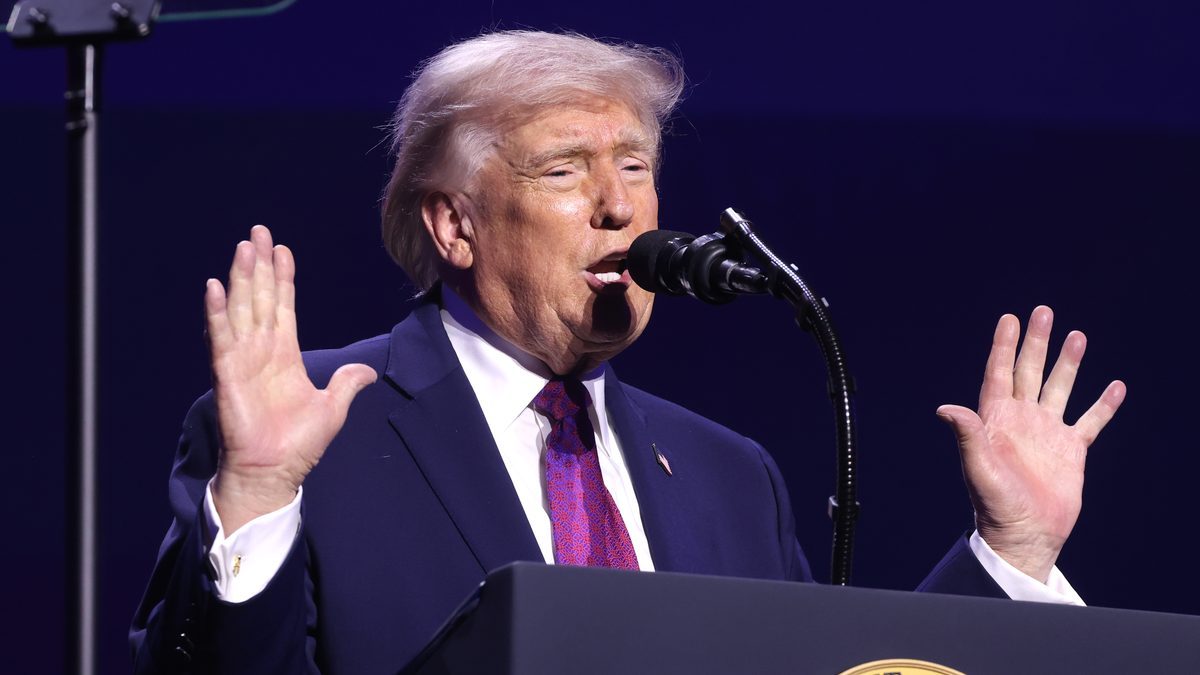
President Trump's latest attempt to narrow birthright citizenship is now blocked in two courtrooms at once. According to Reuters, US District Judge Christopher Cooper in Washington, DC issued a preliminary injunction on Wednesday, Nov. 25 in a class action lawsuit filed on behalf of children who would be denied citizenship under the executive order Trump signed in August. A federal judge in Maryland had already blocked the same order in September.
What the injunction does
The preliminary injunction bars the Department of State, the Department of Homeland Security and the Social Security Administration from enforcing Trump's order against any children covered by the class action. Those are the three agencies that would put the policy into practice: State issues passports, Homeland Security handles immigration status, and the Social Security Administration issues the Social Security numbers that follow from citizenship at birth. With both injunctions in place, Reuters notes, the administration will now need to overturn both decisions in order to ever enforce the order. A preliminary injunction is not a final ruling on the merits; it keeps the policy frozen while the litigation runs, on the judge's assessment that the challengers are likely to succeed and would be harmed without it.
What birthright citizenship is, and what the order tried to change
Birthright citizenship comes from the 14th Amendment, ratified in 1868: "All persons born or naturalized in the United States, and subject to the jurisdiction thereof, are citizens of the United States." For more than a century that has meant nearly every child born on US soil is a citizen at birth, regardless of the parents' status, a reading the Supreme Court affirmed in 1898 in United States v. Wong Kim Ark for the child of lawful residents. Trump's order sought to limit eligibility, denying automatic citizenship to categories of US-born children based on their parents' immigration status. Wednesday's ruling does not end the fight; it means the order stays unenforceable while appeals proceed, and the underlying constitutional question is widely expected to keep climbing toward the appellate courts. Families with a child due soon can check what documents a US birth generates at USA.gov's birth certificate guide.
Sources: Reuters, Trump's newest order curtailing birthright citizenship is blocked by second judge, Nov 25, 2026 · iHeart / WSFC, Second judge blocks Trump's birthright citizenship order, Nov 26, 2026
Get TrendBrief in your inbox
The day's top stories, explained — free, every morning.
Read us through Google? Add TrendBrief as a preferred source and Google will boost TrendBrief in your Top Stories when you search.