Politics · Explainer
California voters rejected the billionaire tax, 52.8% to 47.2%, after opponents spent about $378 million against it
A one-time 5% tax on California's roughly 200 billionaires lost after the most expensive opposition campaign in state history.
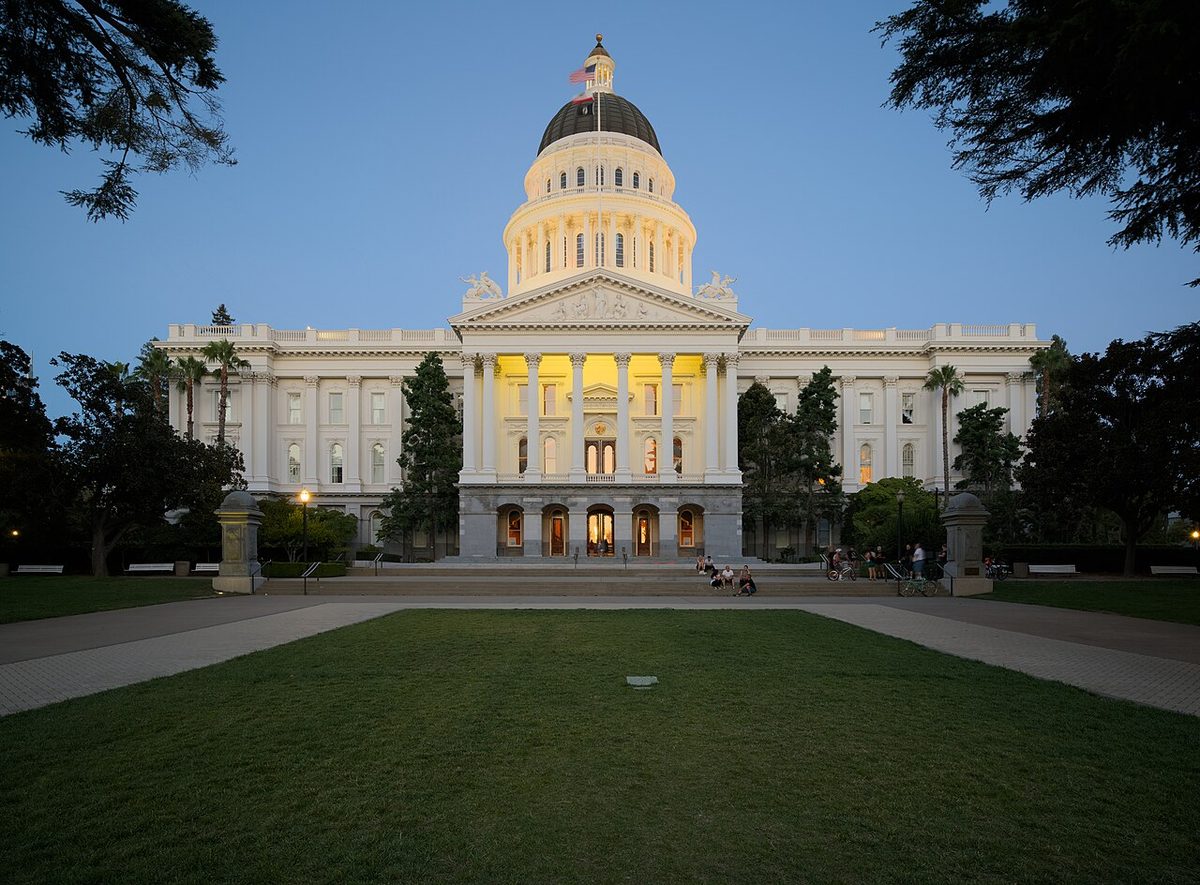

Watch: ABC7's report on voters rejecting Proposition 40, from ABC7.
The first wealth tax ever put to American voters lost in the bluest state in the country. With about 83% of ballots counted, Proposition 40 was failing 52.8% to 47.2% on Monday evening, and the Associated Press called the result for the no side, as Le Monde reports. The margin was about 621,000 votes: 5,909,778 against and 5,288,379 for, according to the KQED results tally cited by Vantage. The result is not final; California certifies on December 11, and mail ballots postmarked by Election Day and arriving within a week are still being counted, which is why the call took six days.
Key facts
What Proposition 40 would have done
The measure, a constitutional amendment sponsored by the healthcare workers' union SEIU-United Healthcare Workers West, would have charged a one-time 5% tax on the net worth of California residents above $1 billion, with a smaller phased-in rate between $1 billion and $1.1 billion, applied retroactively to whoever lived in the state on January 1, 2026. The state has about 200 billionaires. Most of the money would have backfilled federal healthcare cuts to Medi-Cal, the state's Medicaid program, with 10% for education and food assistance, and backers said it would raise about $100 billion. It was designed by the economists Gabriel Zucman and Emmanuel Saez, and it would have been the first tax of its kind in the United States, according to The Regional Dispatch's account of the AP and NBC reporting. The nonpartisan Legislative Analyst's Office warned that some wealthy residents could leave and estimated the tax could eventually reduce state revenue by around $1 billion a year.
The most expensive no in state history
The money is the mechanism of the result. Opponents raised about $378.4 million, according to CalMatters's tally, more than ten times the $33.5 million the yes campaign raised; Google co-founder Sergey Brin was the largest single opponent, giving more than $100 million. TechCrunch notes the measure was also opposed by Governor Gavin Newsom, an unusual split: the California Democratic Party endorsed the tax, while Newsom and Governor-elect Xavier Becerra both campaigned against it, alongside the state teachers' and medical associations. Opponents also placed two companion measures on the ballot, Propositions 41 and 42, designed to nullify Proposition 40 even if it passed. Proposition 42, which would ban new taxes on assets, was leading 51.6% to 48.3% on Monday but had not been called; if it passes, a future wealth tax would not just need to win an election, it would first need to repeal a constitutional ban.
What it means beyond California
The campaign was watched nationally because it was a test of whether a wealth tax could survive direct democracy anywhere. The answer, in a state that voted heavily Democratic on November 3, was no, and the structural reasons travel: the taxed group is small, mobile and able to outspend the entire yes side ten to one, while the benefits, backfilling a healthcare program, are diffuse. Backers are already talking about trying again in 2028, as the AP reported via TechCrunch, and SEIU-UHW argues the underlying pressure has not changed: state analysts predict federal cuts could cost Medi-Cal about $30 billion a year. Two counts continue this week: the remaining Prop 40 ballots, which cannot change the call but can shrink the margin, and Proposition 42, which decides whether this idea is merely beaten or banned. The result lands in the same post-election landscape as the Democrats' congressional sweep: a blue wave that stopped, visibly, at the fortunes of the richest Californians.
Sources: Le Monde (the AP call, the 52.8% no vote with 83% counted, the SEIU-UHW sponsorship, the Zucman and Saez design, Newsom's and Becerra's opposition, Brin's counter-measure and Prop 42's 51.6% lead); Vantage, citing KQED and CalMatters (the 5,909,778 to 5,288,379 vote count, the 6:28 p.m. Pacific AP call, the $378.4 million opposition total against $33.5 million, Brin's $102 million, and the December 11 certification date); TechCrunch (the AP report, the Medi-Cal purpose, Newsom's opposition, the roughly $379 million opposition spending, and backers discussing a 2028 return); The Regional Dispatch, reporting AP, NBC and BBC accounts (the phased rate between $1 billion and $1.1 billion, the 10% education and food share, the Legislative Analyst's Office warning, the companion Propositions 41 and 42, and the Medi-Cal cost estimates). Vote figures are preliminary counts, not certified results.
Read us through Google? Add TrendBrief as a preferred source and Google will boost TrendBrief in your Top Stories when you search.