Lifestyle · Explainer
Daylight saving time ends Sunday at 2 a.m.: clocks fall back tonight — and Congress is closer than ever to ending the change
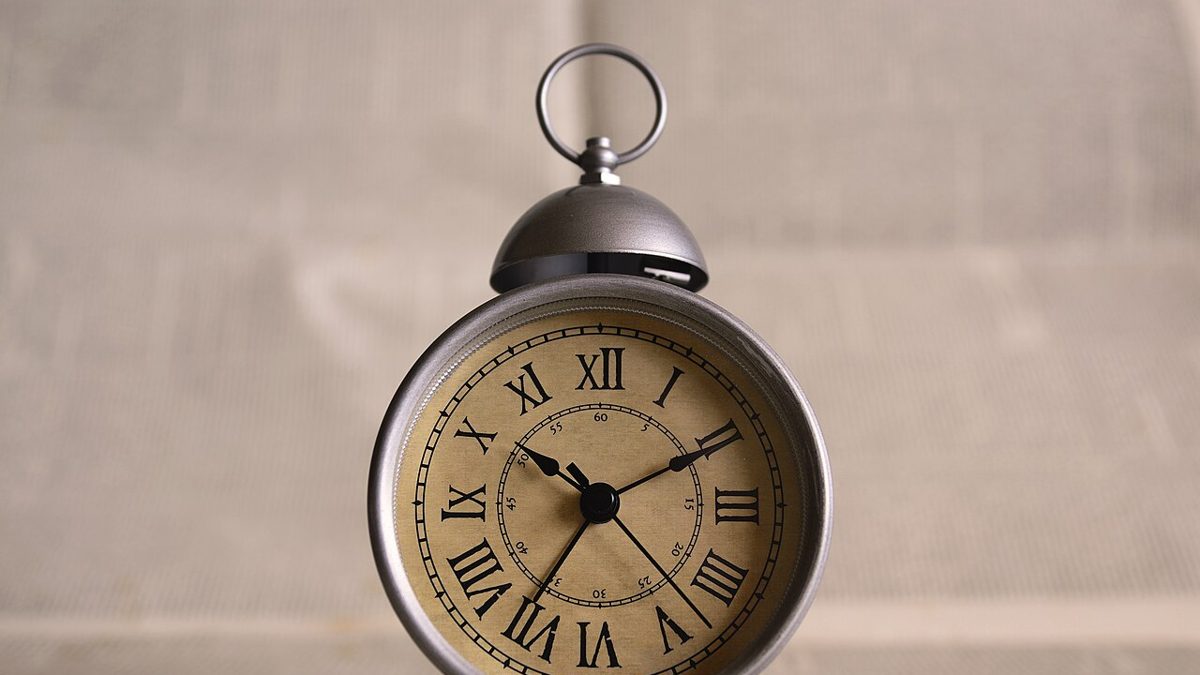
Daylight saving time ends at 2 a.m. local time on Sunday, November 1, 2026: clocks fall back one hour, Sunday becomes a 25-hour day, and evenings get darker.
Watch: TODAY on the end of daylight saving time for 2026, from TODAY.
Tonight, after the Halloween candy is counted, most of America gets an hour back. Daylight saving time ends at 2 a.m. local time on Sunday, November 1, 2026, when clocks fall back one hour to 1 a.m. and standard time resumes, according to the Providence Journal's guide, drawing on the National Institute of Standards and Technology. The 1-to-2 a.m. hour happens twice, Sunday becomes a 25-hour day, and from tomorrow the light moves to the morning: brighter starts, darker evenings, until March.
Key facts
What to do tonight
- Set manual clocks back one hour before bed on Halloween night — alarm clocks, wall clocks, ovens, microwaves and older vehicles do not update themselves, per People's guide to the change. Phones, computers and smartwatches change automatically if their time settings are on.
- You gain an hour, not lose one. The spring change is the one that costs sleep; tonight's adds it.
- Check the official time any time at time.gov, the federal government's clock from NIST.
- A rare pairing: the last time Halloween fell on the same weekend as the end of daylight saving time was 2020, and it will not happen again until 2037, according to the Old Farmer's Almanac via the Providence Journal.
Who does not change
Hawaii and Arizona stay put — Arizona with one exception, the Navajo Nation, which does observe daylight saving time — and so do American Samoa, Guam, the Northern Mariana Islands, Puerto Rico and the US Virgin Islands, according to the Providence Journal. For everyone else, the current schedule has been in place since 2007: daylight saving time starts on the second Sunday in March and ends on the first Sunday in November, a window Congress set in the Energy Policy Act of 2005 to stretch the evening light further into the year.
How we got here
Daylight saving time first arrived in the US in 1918, under the Standard Time Act, as a wartime fuel-saving measure, according to the Library of Congress history summarized by the Providence Journal. It was repealed, revived on an emergency basis, and finally made uniform by the Uniform Time Act of 1966. One popular myth deserves retiring tonight: Benjamin Franklin did not invent it. His famous 1784 letter from Paris was satire — he proposed taxing window shutters, rationing candles and firing cannons at sunrise to drag sleepers out of bed, and never suggested moving a clock, as the editors of Franklin's papers have long noted. The actual clock-shifting idea came more than a century later.
Is this the last time we fall back?
Possibly — but not this year. The US House of Representatives passed the Sunshine Protection Act in July 2026 by 308–117, which would make daylight saving time permanent nationwide, according to the Tallahassee Democrat. President Trump urged the Senate to follow in an August 4 Truth Social post, calling the twice-a-year changes foolish and inconvenient. But the Senate has not voted; the bill is stalled while the chamber sits in an extended election recess that ends November 6, and no vote has been scheduled, per the Providence Journal. Nineteen states have already passed permanent-daylight-saving laws of their own, but none can take effect until Congress acts at the federal level. The counterargument has not gone away: sleep and health experts argue permanent standard time would be healthier for the body's circadian rhythm, and some religious practices tied to sunrise and sunset complicate permanent daylight time. So the change stands. Enjoy the extra hour tonight — Sunday's NFL slate kicks off on the new time, Election Day follows on Tuesday, November 3, and the clocks spring forward again on Sunday, March 14, 2027.
Read us through Google? Add TrendBrief as a preferred source and Google will boost TrendBrief in your Top Stories when you search.
Timeline
| Date | What happened |
|---|---|
| 1918 | The United States first adopts daylight saving time. |
| 1966 | The Uniform Time Act standardizes the change across the country. |
| 2007 | The current span takes effect: daylight time runs from the second Sunday in March to the first Sunday in November. |
| November 1, 2026 | Clocks fall back at 2 a.m.; evenings get darker and mornings brighter. |
| March 14, 2027 | Clocks spring forward again, unless Congress changes the law first. |
What happens next
The clock change now runs on autopilot unless Congress acts, and the article above explains why lawmakers are closer than ever to ending the twice-yearly switch. The practical watch items are the permanent-daylight bills in Congress, which would need to pass both chambers and be signed, and the growing list of states that have passed their own permanent daylight laws that only take effect if federal law changes. Until one of those moves, the next change is already on the calendar: spring forward on March 14, 2027.
Frequently asked questions
Do I set my clock back on Saturday night or Sunday?
The change happens at 2 a.m. local time on Sunday, when clocks jump back to 1 a.m. Most people simply set clocks back an hour before bed on Saturday; phones and computers change themselves.
Which states do not change their clocks?
Arizona and Hawaii stay on standard time year-round, as do U.S. territories including Puerto Rico and Guam. Everywhere else in the U.S. observes the March and November changes.
Was this the last fall back?
Only if Congress ends the change. Bills to make daylight saving time permanent have advanced further than in past years, but until one is signed into law, the 2027 changes, spring forward on March 14 and fall back next November, will happen as scheduled.
Why do evenings feel so much darker?
The hour moved, it did not vanish. Standard time shifts daylight toward the morning, so sunrise comes earlier and sunset lands an hour sooner in the evening, on top of the days still shortening toward the December solstice.
Get this in your inbox: Get tomorrow morning's stories, and updates to this one: the free TrendBrief email lands each morning with the day's top stories, explained, and it covers the clock change, and the congressional push to end it, every time the debate moves. Joining takes seconds, and unsubscribing is one click. The signup form is just below.
Sources: The Providence Journal (the 2 a.m. Sunday change and the repeated hour, the 25-hour day, the Halloween-weekend coincidence last in 2020 and next in 2037 per the Old Farmer's Almanac, the states and territories that do not observe DST, the 1918/1966/2005 history via the Library of Congress and Congressional Research Service, the Senate stall and recess ending November 6, Trump's August 4 post, the 19 state laws, the permanent-standard-time health argument, spring forward on March 14, 2027); People (NIST as the source for the November 1, 2026 end date, which devices change automatically and which need manual resetting, setting clocks back before bed on October 31, the March 8, 2026 start of this year's DST); Tallahassee Democrat (the House's 308–117 vote on July 14 sending H.R. 139, the Sunshine Protection Act, to the Senate; the bill filed January 3, 2025 by Rep. Vern Buchanan).