Money · Explainer
DoorDash is buying Instacart for $17 billion: what the deal means for shoppers, drivers and grocers
DoorDash agreed on October 29 to acquire Instacart for $65 a share — about $17 billion, at least 75% cash — in the largest deal in its history.
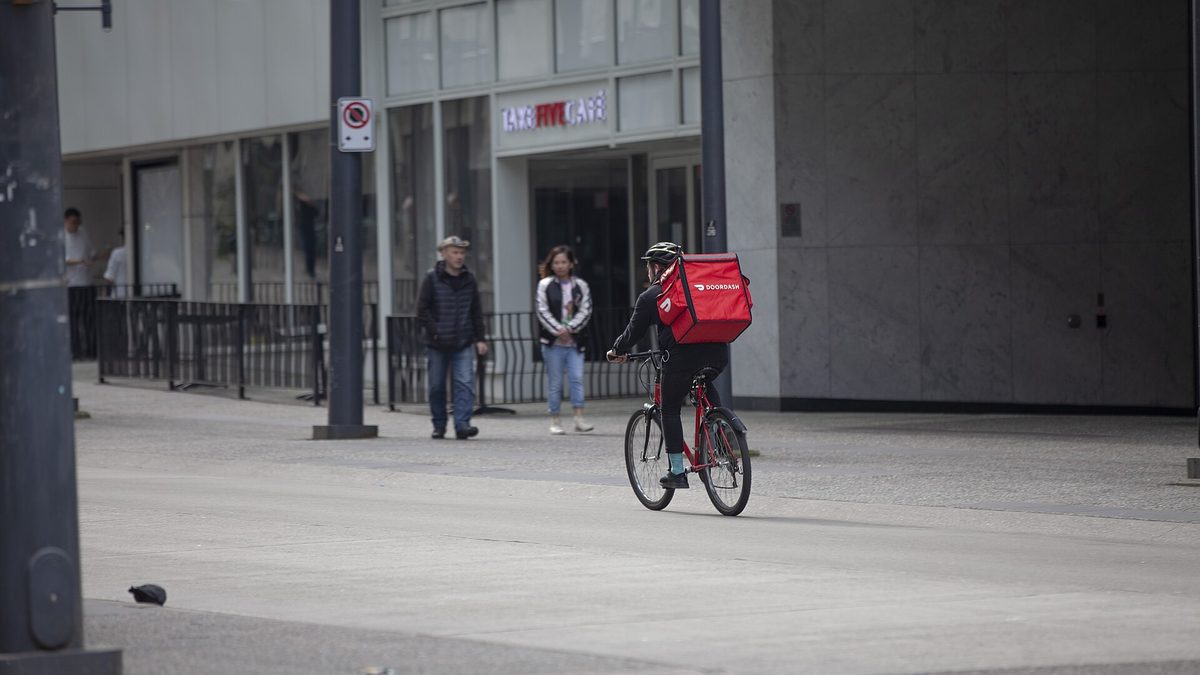
DoorDash is buying Instacart. The two companies announced a definitive agreement on Thursday, October 29, under which DoorDash will acquire Maplebear Inc. — the company that does business as Instacart — for $65.00 per share, an equity value of about $17 billion, according to the companies' joint announcement as summarized by Securities.io. It is the largest acquisition in DoorDash's history, and it ends Instacart's run as an independent company three years after it went public in 2023, per CNN.
The deal, in numbers
- Price: $65.00 a share — a 26% premium to Instacart's closing price on October 22, the last trading day before reports of a possible deal surfaced.
- How it is paid: at least 75% cash, with DoorDash stock capped at 25%. Instacart shareholders can elect $65 in cash, 0.3372 DoorDash shares, or a mix of $48.75 in cash plus 0.0843 DoorDash shares per share they own.
- Funding: cash on hand plus new debt, backed by a 364-day bridge loan commitment from JPMorgan Chase Bank. The deal has no financing condition.
- Timeline: closing is expected at the end of 2027 or in the first half of 2028 — an unusually long runway that signals a serious regulatory review.
- Break-up fees: Instacart would owe DoorDash $650 million in specified circumstances, and DoorDash would owe Instacart $1.25 billion in others, according to Reuters reporting on the regulatory filing.
Instacart's board approved the agreement unanimously, and shareholders holding about 19% of its stock have already agreed to vote for it, per the joint announcement. Until the deal closes, the two companies keep operating separately.
What changes for shoppers
For customers, the pitch is reach and one membership instead of two. Shoppers will be able to order from nearly 100,000 stores on the Instacart app and more than 50,000 through DoorDash, and DashPass and Instacart+ members will pay a single membership fee — a change DoorDash says will save customers an estimated $100 million a year, according to USA Today's summary of the companies' announcement. DoorDash says it expects to keep Instacart's brand, its app and its enterprise technology products — the tools grocers use to run their own storefronts — intact after closing. "By utilizing its grocery technology and pairing it with DoorDash's global reach," Instacart CEO Chris Rogers said in the announcement, the combined brand can give customers "an even better experience."
Why DoorDash wants grocery — and why now
Restaurant delivery made DoorDash enormous: it has held more than two-thirds of the US food-delivery market since 2024, per Bloomberg figures cited by USA Today. Grocery is the bigger, harder prize. Research firm eMarketer estimates Instacart alone will hold about 65% of the US third-party grocery delivery market this year, and DoorDash's own US grocery and retail order value is already growing at more than double the pace of its restaurant business, the company said on its earnings call. The strategic logic, in DoorDash co-founder and CEO Tony Xu's framing in the announcement, is pairing "DoorDash's delivery network" with "Instacart's grocery and fulfillment technology" for grocers and retailers of every size. It is also a defensive move: Reuters notes the deal lands in an industry consolidating under slower post-pandemic growth and rising labor and regulatory costs — Uber agreed in July to buy Germany's Delivery Hero, creating the largest food-delivery group outside China.
The record quarter announced the same morning
The acquisition was unveiled alongside the strongest quarter in DoorDash's history. Third-quarter revenue rose 34% to $4.6 billion, total orders rose 28% to 993 million, and Marketplace gross order value rose 36% to $33.9 billion, according to the company's earnings call as transcribed by The Motley Fool. GAAP net income jumped 91% to $466 million and adjusted EBITDA rose 41% to $1.06 billion. Some of the growth is bought, not built: excluding Deliveroo, the British platform DoorDash acquired in 2025, orders grew 17% and revenue 23%. Investors liked the package — DoorDash shares rose nearly 7% after the announcement, while Instacart traded around $58.50 in premarket, well below the $65 offer price, a gap that prices in the long wait and the regulatory risk, per PYMNTS' summary of Reuters reporting.
The antitrust hurdle is the story now
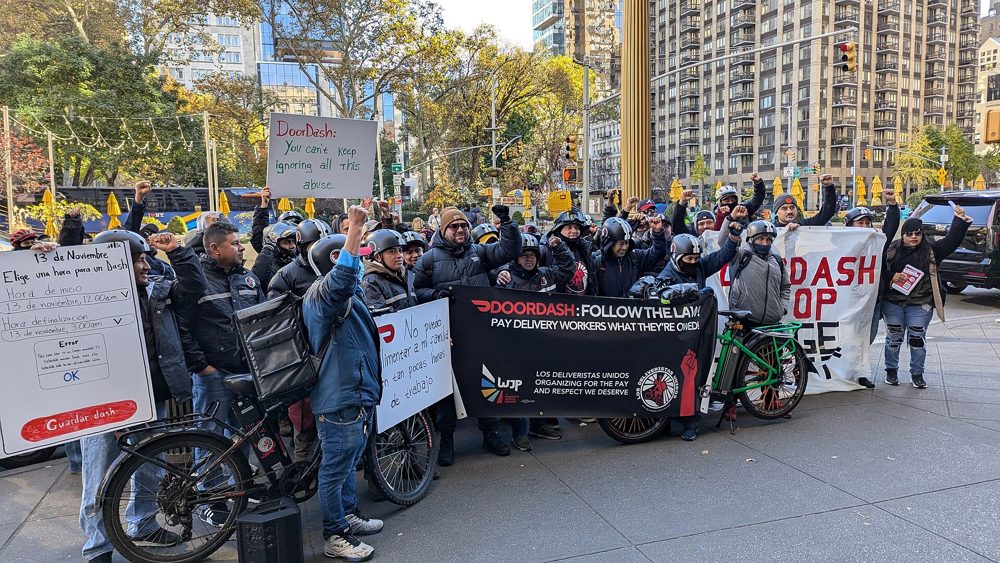
Opposition formed within hours. The American Economic Liberties Project, an anti-monopoly advocacy group, is pushing regulators to block the deal because the combined company would control nearly 60% of the third-party grocery delivery market, per CNN. The transaction needs approval from Instacart shareholders, clearance under the federal Hart-Scott-Rodino antitrust review, and regulatory approvals including in Canada and Israel, per the joint announcement. New York City's Department of Consumer and Worker Protection had already raised concerns about delivery-industry consolidation before the announcement, per Reuters. CFRA Research called regulatory approval the main risk to the deal. That is the context for the distant closing date: this agreement will be argued over for more than a year before a single order changes hands.
What it means
Put this deal next to the rest of the week's money news and a pattern emerges: scale is the strategy everywhere. The same earnings season has Microsoft and Alphabet spending tens of billions on AI capacity and Amazon missing estimates while its cloud grows 39% — in delivery, DoorDash is making the equivalent bet, using a record quarter and borrowed money to buy the grocery market outright rather than build it store by store. If regulators let it stand, one app will sit between most American households and both their restaurants and their grocers. If they do not, Instacart stays independent — $650 million richer in break-up fees, and still the grocery platform everyone else has to beat.
Read us through Google? Add TrendBrief as a preferred source and Google will boost TrendBrief in your Top Stories when you search.
Sources: Securities.io (the companies' joint announcement of October 29, 2026: $65.00 per share, ~$17 billion equity value, at least 75% cash, shareholder election options, JPMorgan bridge commitment, no financing condition, 19% voting agreements, expected closing end of 2027 or first half of 2028, HSR and Canada/Israel approvals); CNN (Instacart's 2023 public listing and post-pandemic slowdown, the ~25-26% premium framing, the American Economic Liberties Project's nearly-60% market-share objection, the Xu quote); USA Today (nearly 100,000 Instacart stores and 50,000+ DoorDash stores, the single-membership plan and the estimated $100 million in yearly customer savings, the Chris Rogers quote, DoorDash's two-thirds-plus share of US food delivery per Bloomberg, keeping the Instacart brand and app); Reuters (industry consolidation context, the Uber–Delivery Hero deal, the termination-fee figures from the regulatory filing); The Motley Fool (DoorDash Q3 2026: 993 million orders, $33.9 billion Marketplace GOV, $4.6 billion revenue, $466 million GAAP net income, US grocery and retail growing at more than double the restaurant pace); PYMNTS (Instacart at ~$58.50 and DoorDash up nearly 7% in premarket trading, the New York City consumer-protection concerns, the $650 million termination payment); Retail Dive (deal structure and expected closing window).