Tech · Explainer
Google's Pixel Tag is on sale today at $29.99: an AirTag for Android, with a hidden NFC trick
Google's first own tracker matches AirTag at $29.99, runs on the billion-phone Find Hub network, and hides an unannounced NFC chip. The holder, however, is sold separately.
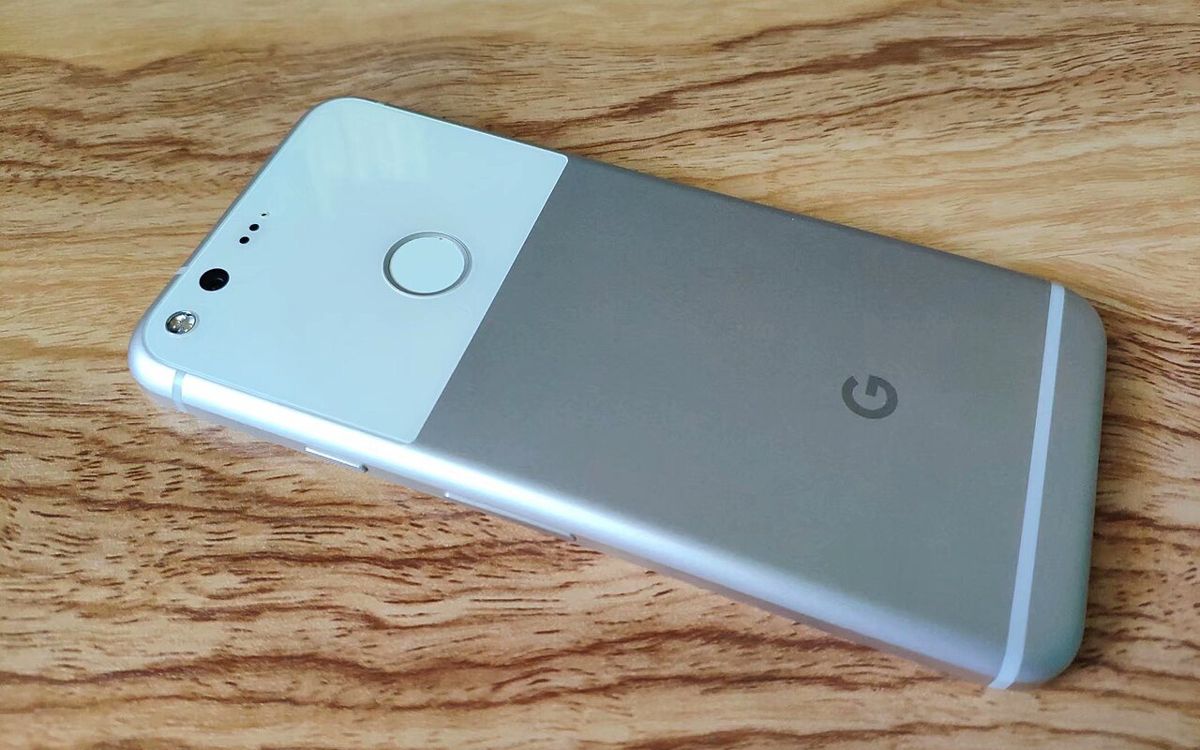
Google finally sells its own tracker. The Pixel Tag, Google's first-party Bluetooth item finder for keys, wallets and bags, went on sale Wednesday, November 11, at $29.99 for a single tag and $99.99 for a four-pack, according to Gizmochina's launch report and Google's store listing. Announced in August alongside the Pixel 11 phones, the tag works through Find Hub, Google's network of more than a billion Android devices, and is the first tracker Google has put its own name on rather than leaving the job to partners.
Key facts
What it does that a plain Bluetooth tag does not
Three features separate the Pixel Tag from the cheap tags it undercuts on trust. Ultra-wideband precision finding gives turn-by-turn direction and distance when you are close, the feature that made Apple's AirTag feel different from a beeping tile. A double-tap on the tag's button rings your paired phone, the reverse search everyone actually uses weekly. And left-behind alerts, with exclusion zones for home or work, warn you when the tag and phone separate. In the first reviews summarized by Mor Knows More, 9to5Google called it "the obvious gold standard" for Android Find Hub trackers after a week of use, and Android Authority's real-world test got a left-behind alert in under five minutes on a busy downtown street, with ultra-wideband leading to the exact spot. The surprise is NFC: reviewers found a chip under the battery door that Google never mentioned in August, which opens the tag's Find Hub page when tapped and lets a finder contact the owner.
The catches are in the box, or rather not in it
The tag ships alone. There is no keyring loop or case included, so most buyers need a holder on day one: Google points buyers to Bellroy, whose silicone Lite Case Duo costs $24.99 and leather case $29.99, and 9to5Google notes Google's own keychain accessory runs $25 for two. That pushes a realistic keys setup toward $55 per tag against an AirTag that also needs a holder, so the honest comparison is accessory to accessory. The other catch is platform: the Pixel Tag is Android-only, with no tracker support for iPhone owners, and Google has not confirmed an Amazon listing in its launch materials, so the Google Store product page is the place to check live stock. One point of launch confusion is worth clearing up: reviews went live Tuesday and some outlets reported the tag already on sale, but Google's own date was always November 11, and orders open today.
Why Google waited, and what it means
Item trackers are a network business: a tag is only as good as the phones that can hear it. Google spent the years since AirTag's launch building Find Hub into Android itself, so the Pixel Tag arrives with its billion-device network already switched on rather than asking buyers to wait for one. At $29.99 it matches AirTag's list price exactly, which makes the pitch simple for Android owners who have watched iPhone friends find their keys for five years: same price, your network, plus NFC contact and a battery you can change with your fingernails. Whether it becomes the default Android tag now depends on the unglamorous parts, accessory prices and how fast left-behind alerts really arrive in your city.
Sources: Gizmochina (the November 11 on-sale date and the $29.99 / $99.99 pricing from the Google Store); Mor Knows More, summarizing 9to5Google and Android Authority (the "gold standard" verdict, the under-five-minute alert test, the UWB, double-tap, left-behind and NFC features, the IP67 rating, the CR2032 life and the accessory situation); StepByStore (the Android 9 requirement, the billion-device Find Hub network, the Fog color and the no-iPhone limit); Google Pixel Tag product listing and November Pixel Drop post (official price and date).
Read us through Google? Add TrendBrief as a preferred source and Google will boost TrendBrief in your Top Stories when you search.