Weather · Explainer
How hurricane categories work: the Saffir-Simpson scale, and what it leaves out
A hurricane's category measures one thing only: its maximum sustained wind.
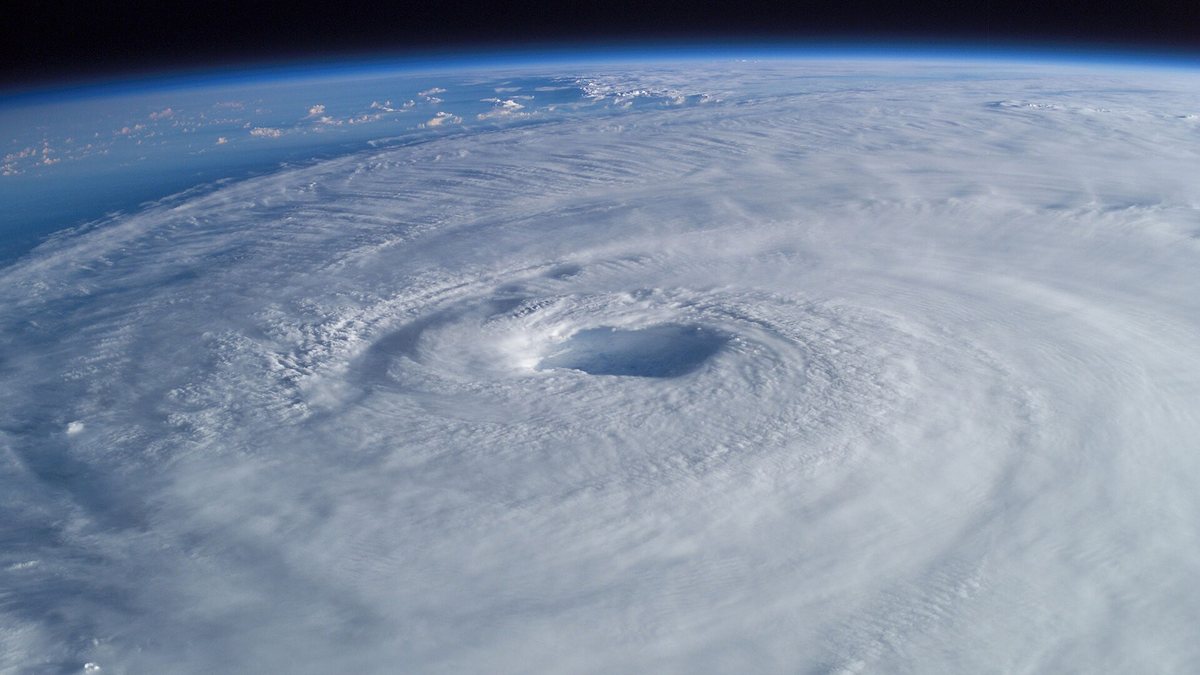
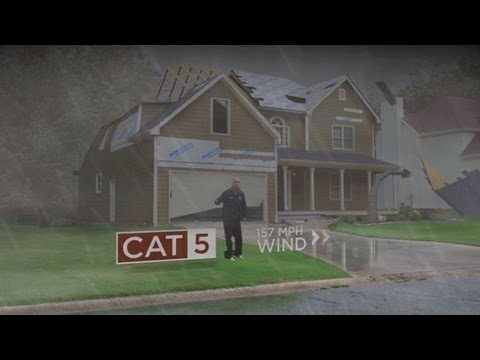
Watch: The Weather Channel explains why hurricane categories make a difference, from The Weather Channel.
Every hurricane gets one number, and that number drives evacuations, headlines and insurance decisions. It is also widely misunderstood. The category, from 1 to 5 on the Saffir-Simpson Hurricane Wind Scale, rates exactly one thing: the storm's maximum sustained wind. It says nothing about how much water the storm pushes ashore or drops from the sky, and water is what kills most people in hurricanes. Here is the scale, its history, and how to read a forecast like a forecaster.
Key facts
The scale, category by category
The scale uses the storm's maximum sustained winds, measured as a one-minute average at about 33 feet above the surface. The National Hurricane Center pairs each category with the kind of wind damage to expect:
| Category | Sustained winds | Damage, in the Hurricane Center's words |
|---|---|---|
| 1 | 74 to 95 mph | Some damage: roofs, shingles and gutters can be hurt; large tree branches snap; power outages can last days |
| 2 | 96 to 110 mph | Extensive damage: major roof and siding damage; many shallow-rooted trees down; near-total power loss for days to weeks |
| 3 | 111 to 129 mph | Devastating damage: well-built homes can lose roof decking and gable ends; electricity and water out for days to weeks |
| 4 | 130 to 156 mph | Catastrophic damage: severe damage to well-built homes; most trees snapped; much of the area uninhabitable for weeks or months |
| 5 | 157 mph or higher | Catastrophic damage: a high percentage of framed homes destroyed; power out for weeks to possibly months |
Two details matter. First, the steps are not even: the jump from Category 2 to 3 is where damage escalates sharply, which is why Category 3 and above carry the label "major hurricane." Second, the damage descriptions are about wind only. A Category 1 storm on this table can still be a deadly water event, which the next sections explain.
Where the scale came from
The scale was built in 1971 by Herbert Saffir, a structural engineer who wanted a way to describe what wind does to buildings, and Robert Simpson, the director of the National Hurricane Center, who added the storm's central pressure and expected storm surge. For decades the published scale carried all three measures. Forecasters eventually concluded that tying surge to category was misleading, because surge depends on the coastline, the storm's size and its angle of approach, not just its winds. Effective with the 2010 season, the Hurricane Center made the scale wind-only, and in 2012 it adjusted the boundaries slightly, setting Category 4 at 130 to 156 mph, to fix rounding problems between measurement units. The name changed with the content: it is now formally the Saffir-Simpson Hurricane Wind Scale.
What the number leaves out: the water
Storm surge, the wall of seawater a hurricane pushes ashore, is historically the deadliest part of a landfalling storm in the United States, and it is not in the category. Neither is rainfall flooding, which can devastate places hundreds of miles inland days after landfall, nor the tornadoes that spin up in a storm's outer bands, nor the storm's sheer size or forward speed. Hurricane Sandy in 2012 is the standard lesson: it came ashore in New Jersey below hurricane strength, so it had no category at all at landfall, yet it drove a surge of about 14 feet into New York Harbor and caused catastrophic flooding. The Hurricane Center now handles water separately, with dedicated storm surge watches and warnings and inundation maps, precisely because the category cannot carry that information. The same water-first logic runs through our coverage of California's king tide flooding, the Flagstaff storm outbreak, and the Four Corners flooding: the hazard that reaches your street is rarely the headline number.
How to read a hurricane forecast instead
Use the category for what it is: a quick read on wind damage potential near the landfall point. Then read the parts of the forecast built for your actual risks. Check whether your home is in a storm surge evacuation zone, because officials order evacuations on water, not wind. Read the local National Weather Service statement for your county, which translates the storm into your streets, your rainfall totals and your flood watches. Look at the forecast rain map as carefully as the wind map if you live inland or near a river. And treat a falling category with suspicion rather than relief: a weakening storm still carries its water with it, and some of the worst American hurricane disasters were, on paper, "only" tropical storms at landfall.
Get this in your inbox: Get tomorrow morning's stories, and updates to this one: the free TrendBrief email lands each morning with the day's top stories, explained, including storm coverage whenever a hurricane threatens the coast. Joining takes seconds, and unsubscribing is one click. The signup form is just below.
Sources: National Hurricane Center, The Saffir-Simpson Hurricane Wind Scale (the category wind ranges, the damage descriptions for each category, the wind-only definition, and the major hurricane threshold at Category 3); National Hurricane Center and National Weather Service educational materials (the scale's 1971 creation by Herbert Saffir and Robert Simpson, the 2010 change to a wind-only scale, the 2012 boundary adjustment, and the separate storm surge watch and warning products); National Weather Service storm records for Hurricane Sandy (landfall below hurricane strength in New Jersey in 2012 and a surge of about 14 feet in New York Harbor).
Read us through Google? Add TrendBrief as a preferred source and Google will boost TrendBrief in your Top Stories when you search.