Weather · Guide
How tropical storms get their names: the six lists, the 39 mph rule, and why some names are retired forever
Kyle is not a forecast. It is a queue position, decided years ago by a committee most people have never heard of.
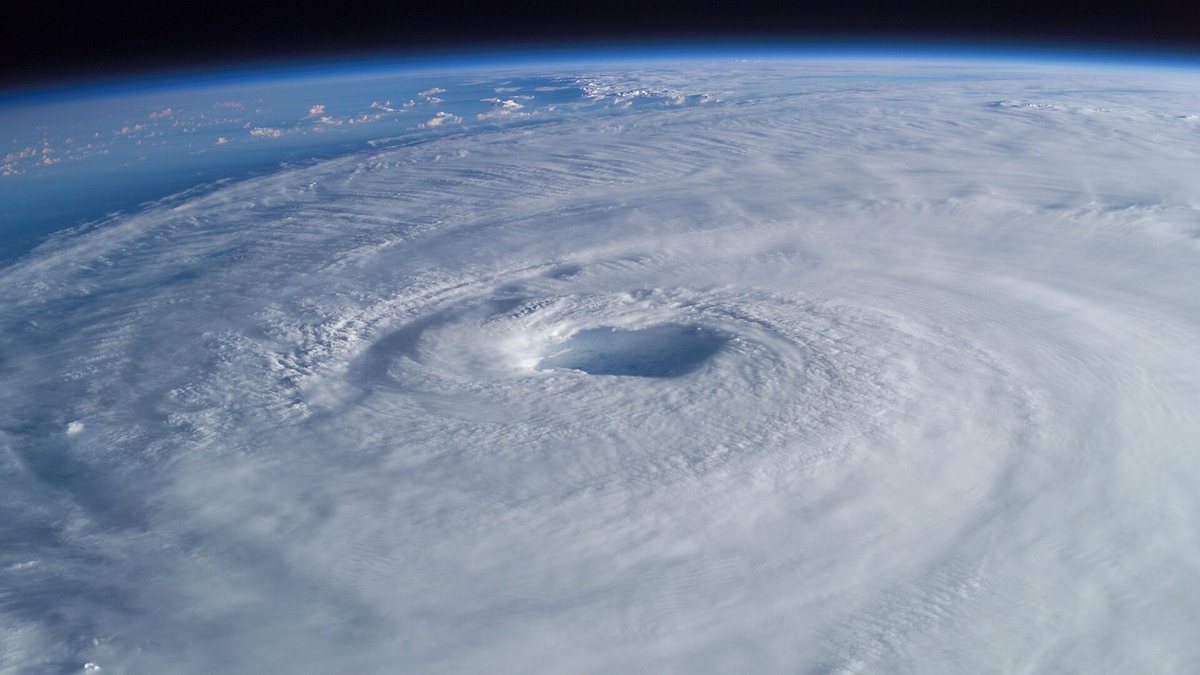
Nobody names a storm while watching it form. The name was decided years in advance, by a committee, and printed on a list. According to the documented naming system summarized from the World Meteorological Organization's rules, tropical and subtropical cyclones are named to simplify communication between forecasters and the public about forecasts, watches and warnings, and to avoid confusion when more than one storm is active in the same basin at the same time. This weekend's candidate, the low soaking Florida and riding up the East Coast in our storm explainer, would take the name Kyle for one unglamorous reason: Kyle is next.
Naming, by the numbers
The lists, and how a name gets used
In the Atlantic, naming is done by the U.S. National Hurricane Center in Miami, but the names themselves are maintained by the World Meteorological Organization's regional hurricane committee. There are six alphabetical lists of 21 names each, used in rotation: one list per year, and the whole set cycles every six years. Names are handed out strictly in order as storms qualify. A system below 39 mph sustained winds is a tropical depression and gets a number, not a name; at 39 mph it becomes a tropical or subtropical storm and takes the next name; at 74 mph it is a hurricane, and the categories above that are explained in our guide to how hurricane categories work. The 2026 list runs Arthur, Bertha, Cristobal, Dolly, Edouard, Fay, Gonzalo, Hanna, Isaias, Josephine, then Kyle. The season's 10 named storms, the same count our Florida flooding explainer tracked this week, have used the first ten, which is why every forecaster discussing this weekend's low reaches for the same name.
Retirement: the names that never come back
Rotation has one exception, and it is the system's most human rule. Any WMO member country can ask for a name to be retired, and if the committee agrees the storm acquired a special notoriety, through deaths, damage or impact, the name is struck and a replacement with the same first letter is chosen. That is why there will never be another Katrina (2005), Sandy (2012), Harvey, Irma or Maria (all 2017), and why Ian was retired after 2022 and replaced by Idris. Retired names stay attached to their single storm in the historical record, so the name itself becomes a warning label. Ordinary names face no such fate: an unremarkable Kyle in 2026 would simply mean the 2032 list gets a Kyle again.
What happens if the list runs out, and a short history
If a season produces more than 21 named storms, forecasters turn to a supplemental list of names. The backup used to be the Greek alphabet, Alpha, Beta and onward, but after the hyperactive 2020 season the WMO replaced Greek letters with a standing supplemental list, because Greek letters caused confusion and could not be retired gracefully when a storm like Eta turned deadly. The modern system has odd roots: an Australian forecaster, Clement Wragge, was naming cyclones after people in the 1890s; U.S. military meteorologists revived personal names during World War II; the U.S. Weather Bureau formalized an alphabetical list of women's names in 1953; and men's names were added in 1979, when the lists took roughly their current alternating form. The point of all of it remains the original one: when a warning says Kyle, everyone from a forecaster in Miami to a family in Charleston knows exactly which storm is meant, and nobody has to say 'the low near the Bahamas' on the radio.
Get TrendBrief in your inbox. Guides like this one, plus the day's top stories explained, free every morning. Use the subscribe form below to join the list.
Sources: Tropical cyclone naming, documenting the WMO system (the naming purpose, the 34-knot threshold, the six rotating 21-name Atlantic lists maintained by the WMO RA IV Hurricane Committee, the skipped letters and the retirement procedure); NOAA's Atlantic Oceanographic and Meteorological Laboratory, TCFAQ B1 (the communication rationale and the Clement Wragge and wartime history); Space.com's naming explainer (the 1953 formalization, the supplemental list replacing Greek letters after 2020, and Ian's replacement by Idris); NOAA's hurricane science materials (the classification thresholds and the published six-year name tables). The 2026 list order and the season's 10 named storms are as reported in this week's storm coverage cited in the linked explainers.
Read us through Google? Add TrendBrief as a preferred source and Google will boost TrendBrief in your Top Stories when you search.