Politics · Explainer
Bahrain says it intercepted Iranian drones aimed at a US radar site: the first such attack there since September
Tehran says it hit the radar. Manama says every drone fell short. What neither side disputes is that the Gulf front, quiet since September, is live again over the home of the US Fifth Fleet.
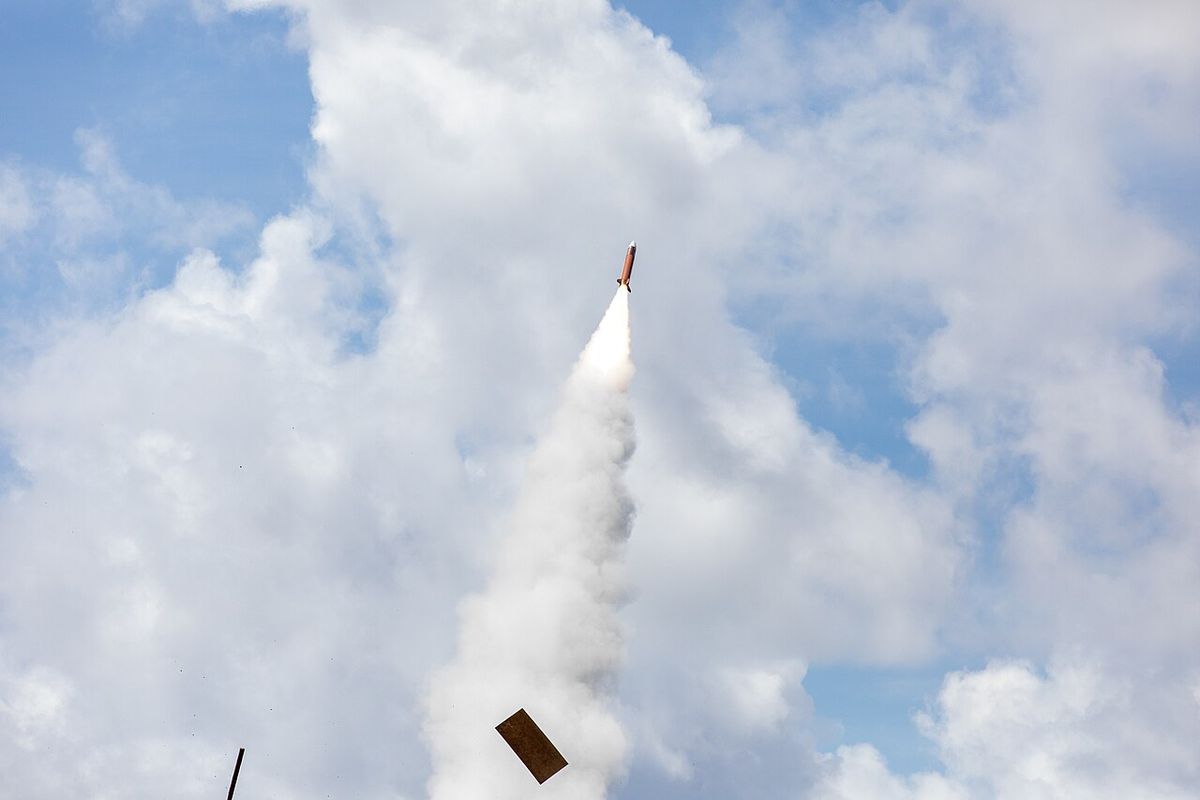
The war's quietest front made noise again on Sunday. According to Reuters, Bahrain's military said its air defenses intercepted and destroyed several Iranian aerial attacks before they reached their targets, and residents were sent two shelter warnings during the day. Iran's Islamic Revolutionary Guard Corps said it had launched six drones at the United States air-defense radar station at the Al-Riffa helicopter base, describing the strike as retaliation for hostile US actions. US Ambassador Stephanie Hallett said the Iranian claims were false, that all the drones were intercepted, and that there were no injuries or damage. US Central Command had not commented on Sunday's exchange as of Sunday morning.
Key facts
Two claims, one sky
As with most exchanges in this war, the two sides describe different events. Tehran's version, carried by Press TV and Fars, is a successful strike on the radar that watches the region's airspace for the US military. Manama's version is a successful defense: drones detected, intercepted and destroyed, with the ambassador in Washington's closest partner state confirming no damage. What is not disputed is that drones were launched toward Bahrain and that Bahraini air defenses fired, because the shelter warnings and the interception reports come from the Bahraini side itself. Sunday's exchange also followed a claim two days earlier in which the Guard said it had hit a US early warning radar in Bahrain; Central Command denied that one, saying US forces shot down two drones with no damage.
Why Bahrain is the address that matters
Bahrain is a small island kingdom in the Gulf, and it is also the permanent home of the US Fifth Fleet, which makes it the single most important US naval address in the region. A radar site there is not a symbolic target: air defense radars are the eyes that let ships and bases see incoming drones and missiles in time to shoot them down, which is why Iran keeps naming radar sites in its claims and why Bahrain's interceptions get Washington's attention. President Trump has said he might hold off on fresh attacks on Iran absent new provocations, while maintaining a naval blockade. Attacks on the country hosting the Fifth Fleet are the kind of provocation that tests that line.
What to watch next
The immediate question is whether Sunday was a one-off signal or the start of a renewed pattern of Gulf attacks after two quieter months. Watch for a Central Command statement confirming or disputing the radar claim, for any US response against the launch sites, and for whether the shelter warnings in Bahrain repeat this week. A third US carrier has recently moved into the region, which gives Washington options it did not have in September. The blockade, the stalled diplomacy and now live fire over the Fifth Fleet's home port are the three threads that decide whether this war widens again or winds down.
Sources: Reuters (the interceptions, the Guard's claim and the war background); Atlantic Digest (Ambassador Hallett's statement and the carrier movement); Delaware Dispatch (the absence of a Central Command comment as of Sunday morning).
Read us through Google? Add TrendBrief as a preferred source and Google will boost TrendBrief in your Top Stories when you search.