Politics · Explainer
US intelligence says Iran drafted dirty-bomb plans for Washington. The White House says there is no credible threat
CNN's sources describe specific plans and debated capability. The White House says no credible threat. Trump warns Tehran. All three statements can be, and are, true at the same time.
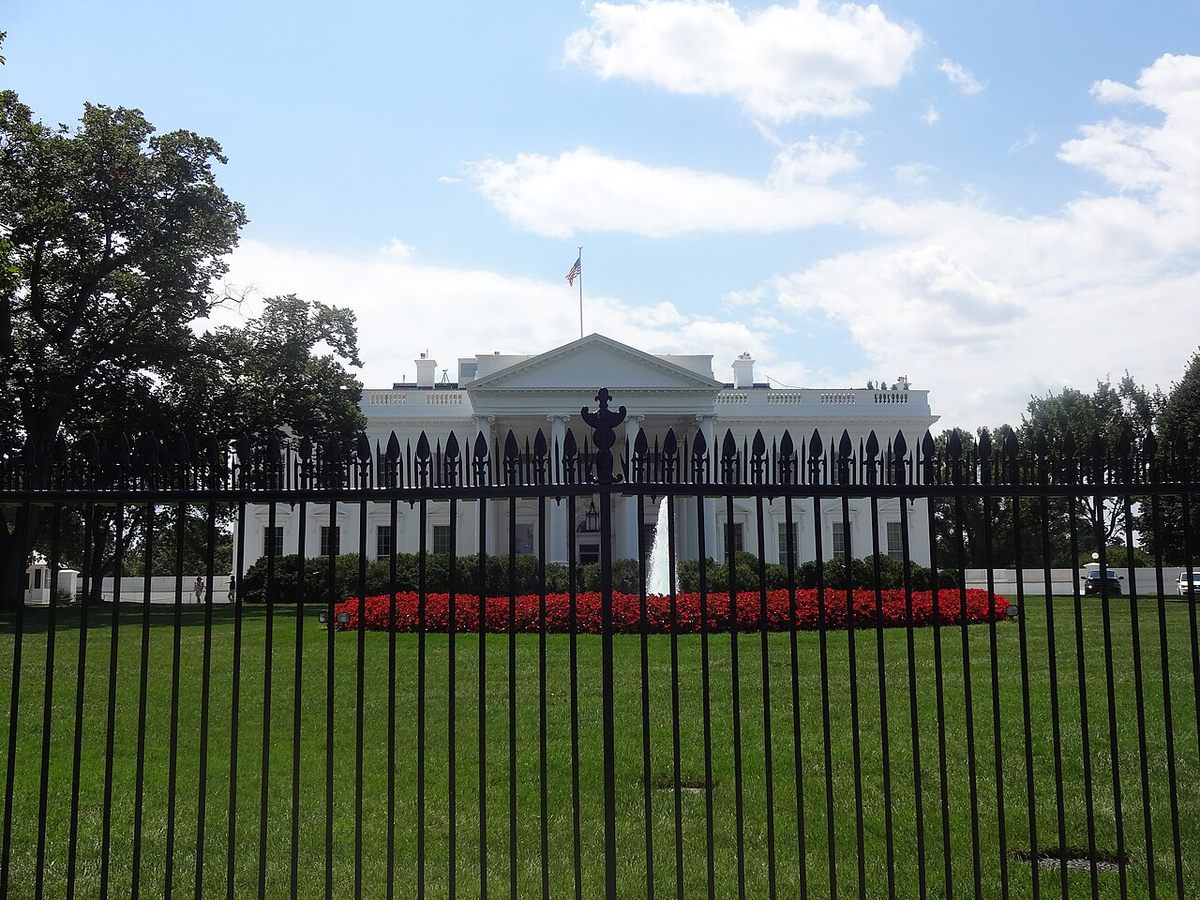

Watch: ABC 7 News - WJLA on Trump's response to the reported Iran threat against Washington, from ABC 7 News - WJLA.
Both things in the headline are true at once, and the distance between them is the story. According to CNN's exclusive report, based on seven US officials, new American intelligence indicates Iran is developing plans to target senior Trump administration officials by detonating a so-called dirty bomb or a chemical weapon in Washington, DC. Sources familiar with the intelligence characterized the planning, for now, as an effort to give Iran options rather than a sign of an imminent attack, while noting the plotting the US has picked up is very specific, including locations and targets. One source put the open question plainly: 'Whether they actually have the personnel in place to execute is a matter of debate.' US intelligence has also picked up Iranian claims of having stashed bomb-making materials inside the United States, according to one of the sources.
Key facts
What a dirty bomb is, and is not
A dirty bomb is not a nuclear weapon. It is a conventional explosive wrapped in radioactive material: the blast itself is ordinary, and the weapon's purpose is to scatter contamination across an area, forcing evacuations and long cleanups and producing fear far out of proportion to the physical damage. That distinction is why officials can hold two ideas at once: a dirty-bomb plot is a serious escalation in intent, and at the same time a very different thing from an imminent nuclear threat to the capital. CNN's sources frame the intelligence exactly that way, as evidence of an alarming willingness to escalate while Iran faces US military strikes and an economic blockade administration officials describe as devastating, rather than as a countdown. The chemical-weapon variant in the reporting would be a separate and graver step, and Iran's categorical denial was aimed at that charge specifically.
The pattern this fits into
Iranian plotting against current and former US officials is not new: CNN notes it has run since Trump's first administration, including a murder-for-hire plot against Trump himself in 2024, and this week also brought a federal indictment alleging an Iran-linked operative directed a planned attack on a UK air base used by US bombers. What is new in Monday's reporting is the weapon type and the location, the capital itself. It also lands in an active war: Bahrain intercepted another round of Iranian drones in the past two days, the story in our explainer on the Bahrain interceptions, and a third US carrier has arrived in the region. Intelligence about retaliatory planning, in wartime, is partly a signal the plotters may want detected, a deterrence message as much as an operational one, which is one reason officials are debating intent as much as capability.
How to read the official statements
The three public positions are calibrated, and each does a different job. The White House's 'no credible threats' line is addressed to the public: nothing has been found that requires anyone in Washington to change their day. The president's warning is addressed to Tehran: the cost of acting on any such plan would be extreme. Iran's denial is addressed to everyone else: it rejects the chemical-weapons charge in absolute terms and frames the report as a pretext. None of the three contradicts the intelligence reporting itself, which is careful to describe plans and options rather than an operation in motion. The facts to watch are whether ODNI or the FBI says anything on the record, and whether any protective posture in Washington visibly changes. Until then, the accurate summary is the one the sources themselves gave: specific plans, debated capability, no imminent attack indicated.
Sources: CNN (the intelligence reporting, the seven-official sourcing, the White House statement, Trump's response, Iran's UN mission and Foreign Ministry responses, and the history of Iranian plotting). This article reports an intelligence claim and the official responses to it; the underlying intelligence has not been independently verified by TrendBrief, and no US agency has confirmed it on the record.
Read us through Google? Add TrendBrief as a preferred source and Google will boost TrendBrief in your Top Stories when you search.