Money · Explainer
A US-led group is buying Lukoil's overseas empire — paying with the Russian company's own frozen shares
A consortium led by Todd Boehly's Eldridge, and including the US government's Development Finance Corporation, agreed Wednesday to acquire Lukoil International — oil fields in 11 countries, three European refineries and 2,000-plus gas stations — in a share swap designed so no cash reaches sanctioned Russia.
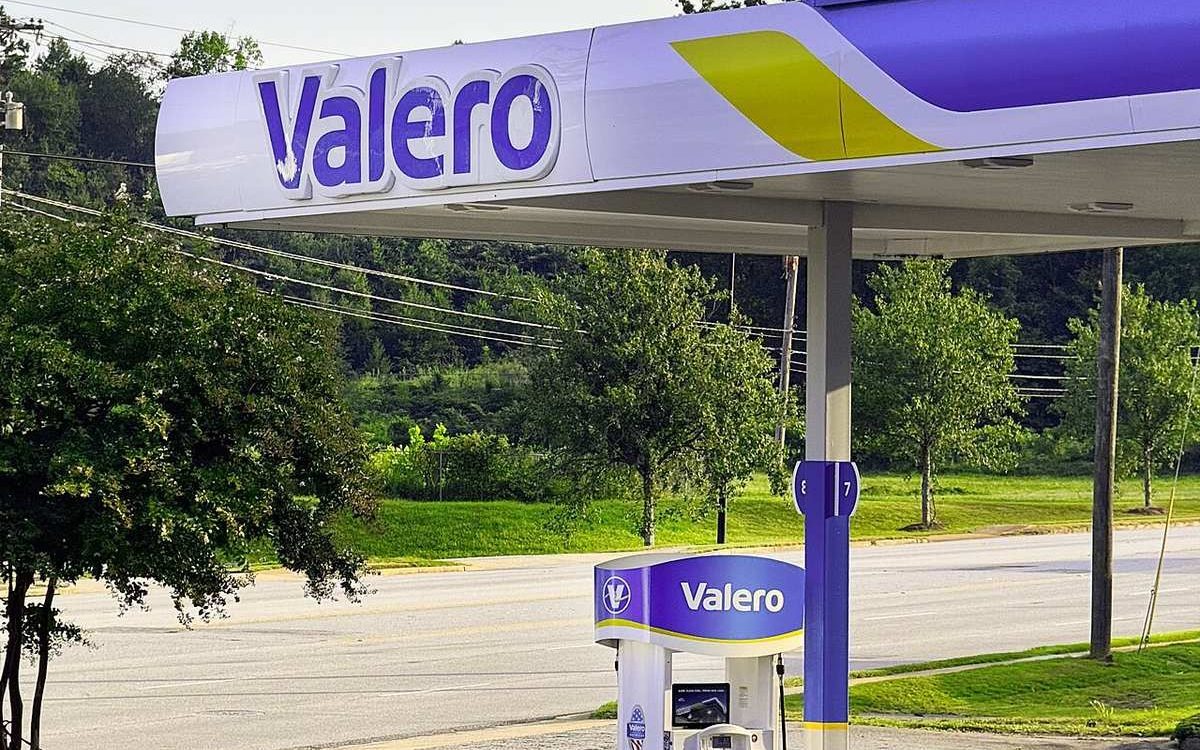
Sanctions forced Russia's second-largest oil company to sell everything it owns outside Russia. The buyer announced Wednesday is a consortium led by an American billionaire's firm — with the United States government itself as one of the partners, taking an ownership stake in what used to be Lukoil's global empire.
The deal, in numbers
Who is buying, and what they get
According to the consortium's definitive agreement announcement, the buyers are Eldridge, the firm led by US billionaire Todd Boehly; the US International Development Finance Corporation, the government's development lender; UAE-based Catena Investment Holding; and New York investment bank Xtellus Partners, with Citi as lead financial advisor. CNN reported the portfolio spans the whole energy chain: upstream fields in 11 countries, the three refineries, pipelines, the LITASCO international trading business and the station network. The consortium says the deal will "secure critical global energy assets under American and allied ownership."
Paid in shares, not cash — on purpose
The structure is the sanctions puzzle's solution. The consortium will exchange restricted Russian shares of PJSC Lukoil and other Russian companies for 100% of Lukoil International's equity, so no money goes directly to Russia; the consideration will sit in a restricted custodial account for five years or until sanctions are lifted. The DFC will receive an ownership interest on behalf of the United States at no upfront cost to taxpayers, and at closing the assets will be completely severed from Lukoil's Russian parent. The sale exists because Washington sanctioned Lukoil in late 2025 and gave it a window to divest; an earlier agreement to sell the same portfolio to the Carlyle Group was never approved by the Treasury and expired, which is why this deal still carries its decisive condition.
What happens next
The transaction needs conditional approval from the Treasury Department's Office of Foreign Assets Control, plus due diligence and other regulatory approvals, and OFAC's standing position is that any deal "must not provide a windfall to Lukoil." If it closes, the new owners say their first job is stabilizing operations and bringing full refining capacity back online — including at Burgas, the largest refinery in the Balkans, whose ownership has been a live political question in Europe since the sanctions landed.
Sources: Business Wire, American-led consortium announces agreement to acquire LUKOIL International, Nov 25, 2026 · CNN, Lukoil's overseas assets sold to investors led by Todd Boehly, Nov 26, 2026 · Wall Street Journal, Boehly clinches deal for overseas assets of Russia's Lukoil, Nov 25, 2026 · World Oil, US-led consortium agrees to acquire Lukoil's international portfolio, Nov 26, 2026
Get TrendBrief in your inbox
The day's top stories, explained — free, every morning.
Read us through Google? Add TrendBrief as a preferred source and Google will boost TrendBrief in your Top Stories when you search.