Tech · Explainer
NASA is hiring astronauts again: applications are open until Dec. 3 for the class that will train for the Moon and Mars
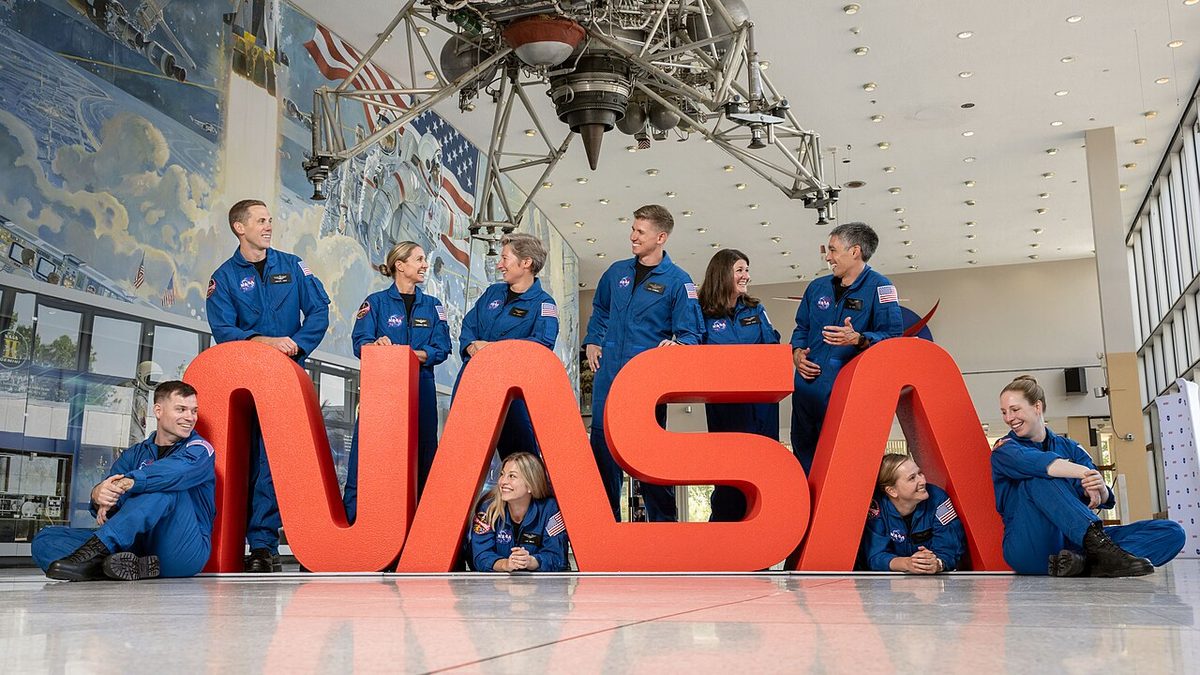
NASA opened applications on November 7 for its next astronaut class, the 25th since the Mercury Seven.

Watch: NASA's official video inviting you to apply to become an astronaut, from NASA.
Want to fly to the Moon? NASA has opened the application window for its next class of astronauts, and for once the childhood dream comes with a form, a deadline and a list of requirements you can actually check. According to NASA's announcement, applications opened on Saturday, November 7, and U.S. citizens have until 11:59 p.m. EST on Thursday, December 3 to submit completed materials. The new class will join the corps as America returns to the Moon, builds a Moon Base and lays the groundwork for the first crewed missions to Mars. NASA expects to make its final selection in late 2027, and the chosen candidates will then begin training. This will be NASA's 25th astronaut class since the original Mercury Seven in 1959, according to the Associated Press, and officials announced the opening during an air show at Kennedy Space Center in Florida.
Key facts
Who can apply, exactly
The bar is high but specific. NASA's basic requirements are United States citizenship and a master's degree in a STEM field, meaning engineering, biological science, physical science or computer science, from an accredited institution, plus at least three years of related professional experience after completing that degree. The master's requirement has alternatives: at least two years of work toward a doctoral program in an appropriate technical field also counts, as do medical qualifications including a Doctor of Medicine, Doctor of Osteopathic Medicine, Physician Assistant, Doctor of Nursing Practice or Family Nurse Practitioner degree, and completion of, or current enrollment in, a nationally recognized Test Pilot School program, as long as it is finished by July 2027. Pilots can meet the experience requirement with flight time instead: 750 hours of pilot-in-command time in high-performance jets, or 1,500 total fixed-wing hours including 750 as pilot in command, or 1,000 rotary-wing hours including 300 as pilot in command. For doctors, residency training counts toward the experience requirement and must be complete by July 2027. Every candidate must also pass NASA's long-duration astronaut flight physical and show strong leadership, teamwork and communication skills. If you meet the bar, you can apply through NASA's astronaut application page before the December 3 deadline.

Why NASA needs more astronauts now
The corps is small for the mission list in front of it. NASA has 32 active astronauts, and the agency has selected just 370 people as astronaut candidates since the 1960s, according to NASA. The last recruiting round shows both the demand and the odds: more than 8,000 people applied in 2024, 10 candidates were selected in 2025, and that class is still completing nearly two years of training. The new candidates will study spacewalking, lunar geology and the operations of high-performance aircraft, and their careers are aimed at a different destination list than the space-station rotations that have dominated for two decades: increasingly difficult missions near the Moon's South Pole, an enduring human presence on the lunar surface, and eventually the first crewed mission to Mars. The Associated Press reports that the new candidates would begin training by early 2028, the same year NASA intends to return astronauts to the lunar surface after an absence of more than half a century, and Artemis III commander Randy Bresnik told the AP the agency needs the recruits in place well before those missions fly. NASA's leadership is pitching it plainly. "The people we select could walk on the Moon, live and work at the Moon Base, and help pioneer the systems and operations that will ultimately carry crews to Mars," Administrator Jared Isaacman said. Deputy Administrator Matt Anderson put it shorter: "The window is open. The mission is waiting." Scott Tingle, the chief astronaut who chairs the Astronaut Selection Board at Johnson Space Center in Houston, framed the odds differently: becoming an astronaut is a chance to join a legacy of explorers and help write history. The window, in any case, closes on December 3.
Sources: NASA news release, "NASA Seeks Next Generation of Explorers to Join Astronaut Corps," November 7, 2026 (applications open with the December 3, 11:59 p.m. EST deadline; final selection expected in late 2027; the 2024 round's more than 8,000 applications and 10 candidates selected in 2025; 32 active astronauts and 370 people selected since the 1960s; the citizenship, STEM master's and three-year experience requirements and their doctoral, medical and test-pilot alternatives; the pilot flight-hour thresholds of 750, 1,500 and 1,000 hours; the July 2027 completion dates; the flight physical; training in spacewalking, lunar geology and high-performance aircraft; the lunar South Pole, Moon Base and Mars framing; and the Isaacman, Anderson and Tingle quotes); Associated Press, via Phys.org (the announcement at the Kennedy Space Center air show, this being the 25th class since the Mercury Seven in 1959, training beginning by early 2028, the intended 2028 return to the lunar surface, and Bresnik's comments); NASA, Become an Astronaut (the live application page and requirements summary).
Read us through Google? Add TrendBrief as a preferred source and Google will boost TrendBrief in your Top Stories when you search.