Tech · Explainer
Nvidia's board is investigating Jensen Huang, the stock fell about 5%, and what is proven is narrower than the headlines
Nvidia's board opened an independent investigation on Sunday into reports that CEO Jensen Huang was the target of a foreign intelligence effort, after Huang told staff he had been unfaithful.
Updated Nov 17, 2026, 2:16 PM CT: Huang said he would return as CEO if the board asks; the board is not considering it and has hired a search firm.
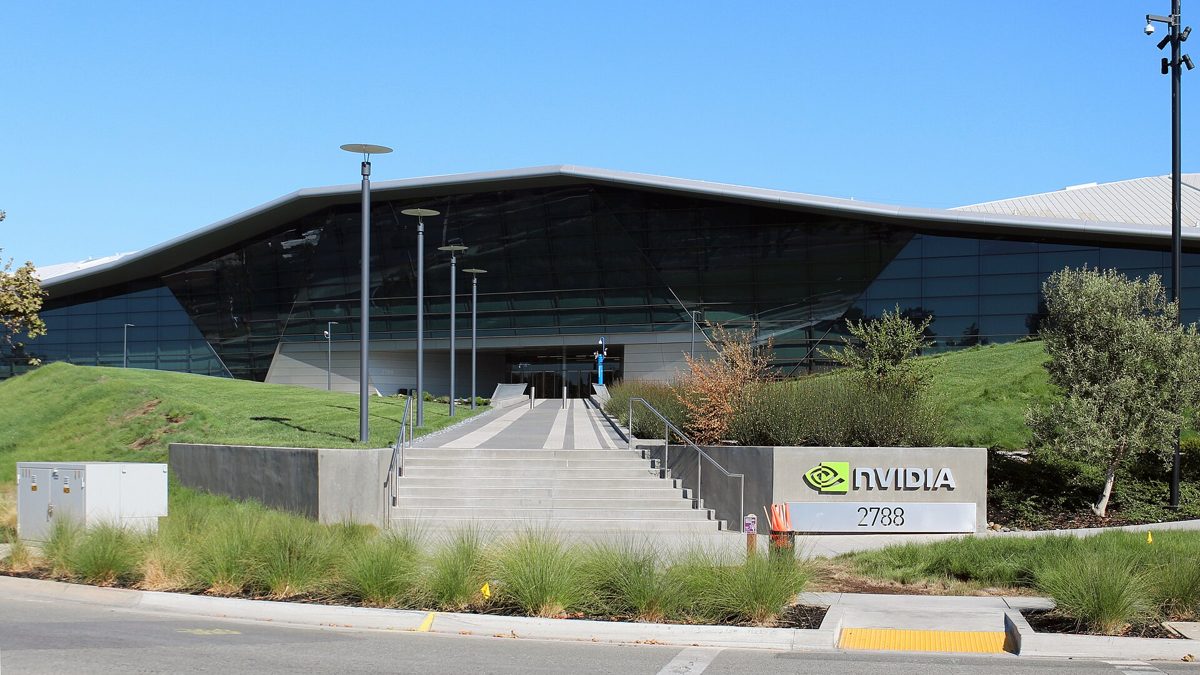

Watch: NewsNation's Morning in America segment on the reports about Nvidia's CEO, from NewsNation. The intelligence claims in it are reports, not findings.
Update — Tuesday, November 17, 2026: Huang breaks his silence, says he would return as CEO if the board asks — the board is not considering it, and has hired Heidrick & Struggles to run the search
Jensen Huang has spoken for himself, on the record, for the first time since he resigned on Thursday. In a short statement on Tuesday morning, reported by The Wall Street Journal, Huang said he would be willing to return as chief executive if the board asked him to: "Since my departure, I've seen an outpouring of calls from Nvidia's employees, investors, business partners, and customers for me to return as CEO. If the Board of Directors decides that my return is in the best interest of our shareholders, our employees, the company, and America, I would be honored to answer these calls and return as CEO." In the same statement he apologized anew to his family and staff, admitted he had made "serious mistakes" in his personal life — "I did not live up to the standards expected of everyone at NVIDIA. I created problems for the Board that I deeply regret. I own my mistakes completely" — and said he is committed to cooperating with the board's independent investigation.
The board's own moves point the other way. The Journal has reported that the board is not considering reinstating Huang, despite the calls for his return from some investors and employees, which on Monday included a letter to board chairman Harvey Jones from Nader Khalil, Nvidia's director of developer technology, arguing that the company "will not navigate the crucial next couple of years well without Jensen." Early on Tuesday the board announced it had formed a new committee to oversee Nvidia's national security policies and its compliance with export controls, according to the Journal. And the search for a permanent successor now has a firm running it: according to the Journal's live coverage, Nvidia has hired Heidrick & Struggles to lead the hunt for its next CEO, the search is being led by Jeff Sanders, co-managing partner of the firm's global CEO and board directors practice, and the firm is in talks with potential candidates including Arm CEO Rene Haas, the outside candidate in the November 13 update below. The board has also hired the law firm Wachtell, Lipton, Rosen & Katz to conduct an independent investigation of whether Huang shared corporate or national security secrets. All of it lands hours before Nvidia reports its third-quarter results on Tuesday evening, the first under interim CEO Colette Kress, and inside the 10-day window Treasury Secretary Scott Bessent set the board in the update below.
Update — Monday, November 16, 2026: Bessent gives the board 10 days to explain the China chip sales, urges an outside CEO and a "dramatic shakeup"
Washington's pressure is now coming from the Treasury, on television, with a deadline. Treasury Secretary Scott Bessent, in a Fox News interview over the weekend that the Wall Street Journal reported on Saturday, said Nvidia's board and the outside counsel running its review should give answers in the next 10 days on the company's compliance culture and on whether it pressed sales that skirted the export controls on China. “I want to keep coming back to what was the culture at Nvidia, and were they pressing these seemingly illicit sales to goose their revenues and their earnings?” Bessent said, according to The Motley Fool. “If this were a bank and they hadn't complied like this, the OCC (Office of the Comptroller of the Currency) would be in there right now, and a lot of the executives would be removed.” On who should lead the company next, he was equally direct: “This makes me think that as the board conducts the search for a new leader, that they need to go outside the company,” and he called for a “dramatic shakeup” at Nvidia. That lands directly against the succession reporting in the update below, which has the board sounding out Arm's Rene Haas, an outside candidate, and against President Trump's reported preference, noted on November 12, for a Huang return path: The Motley Fool reports Trump has said he would not mind Huang coming back, and that an independent petition for his reinstatement has passed 180,000 signatures.
Bessent also pointed at the machinery behind the scandal. He told CNBC that some federal agencies wanted to put MegaSpeed, the Singapore company at the center of the diversion reports, on an export blacklist, but that “Commerce has the pen,” The Motley Fool reported; a White House spokesperson told Reuters last week that Trump has “complete confidence” in Commerce Secretary Howard Lutnick. As Treasury Secretary, Bessent has no direct authority to punish Nvidia himself, so the 10-day window is pressure, not a legal deadline, but it now runs alongside everything else on this page: the House chairs' December 1 interview demand, and Nvidia's third-quarter results on Tuesday, November 17, the first under interim CEO Colette Kress. The market went into that report defensively: Nvidia slipped 2.7% in premarket trading on Monday after recording its longest weekly losing streak since October 2012 on Friday, according to Reuters, and by 2:51 p.m. ET on Monday the shares were down 4.37% at $155.74 in a session that had not closed, according to The Motley Fool's market data.
Update — Friday, November 13, 2026: the board is reported to have approached Arm's Rene Haas, Huang faces an 8 p.m. deadline, and the slide resumes
The succession search has its first reported name. Reuters reported on Friday that Nvidia's board has approached Arm Holdings chief executive Rene Haas in its search for a potential successor to Huang, citing a Financial Times report based on people familiar with the matter. Haas is among several candidates being considered and there is no guarantee he will be offered the job or accept it, the FT reported; he became Arm's chief executive in 2022 and oversaw the company's Nasdaq listing in 2023. Arm declined to comment, Nvidia did not immediately respond to a Reuters request for comment, and Reuters said it could not independently verify the report — so treat the approach as reported, not confirmed. Colette Kress remains interim CEO.
The congressional clock, meanwhile, runs out tonight. In a November 12 letter, House Foreign Affairs Chair Brian Mast, House Select Committee on China Chair John Moolenaar and House Intelligence Chair Rick Crawford asked Huang to sit for a closed-door, transcribed interview on December 1 and gave him until 8 p.m. ET on Friday, November 13 to confirm in writing, or the Foreign Affairs Committee will issue a subpoena, according to the South Bay Chronicle, reporting the chairs' letter and CBS's account of it. Thursday's trading is also final now: the shares closed at $166.19, down about 4.3% on the day — a smaller loss than the roughly 5% Thursday-afternoon figure in yesterday's update, after the record retail buying described there.
On Friday the selling resumed, on an unclosed session. Reuters reported that the major indexes gave back their early gains shortly after the open as investors weighed the fallout of the Nvidia controversy, and that October producer prices, up 0.3% and slightly softer than expected, did little to ease sentiment: at 10:08 a.m. ET the Dow was down 0.18% at 52,200.75, the S&P 500 was down 0.70% at 7,539.37 and the Nasdaq Composite was down 1.08% at 25,093.01. By 11:31 a.m. ET, The Motley Fool's midday report put the Nasdaq down 1.45% at 24,998, Nvidia itself down 3.12%, and the benchmark 10-year Treasury yield at 5.10%. Nvidia's third-quarter results are still due Tuesday, November 17.
Update — Thursday, November 12, 2026: Jensen Huang resigns, Colette Kress takes over as interim CEO, and the stock falls again
The question this article has tracked since Sunday is settled. Nvidia announced on Thursday morning that Jensen Huang has resigned as president, chief executive and a member of the board, effective immediately, ending the 33 years he ran the company he co-founded. According to Reuters, chief financial officer Colette Kress will take over as interim CEO while the company searches for a permanent successor, and the board named Harvey Jones, a director since 1993 and a former Synopsys chief executive, as its first-ever board chairman. Huang, who will not remain on the board, is Nvidia's fourth-largest investor, with a stake of about 3.61%, Reuters reported. TechAerIs, reporting Nvidia's newsroom announcement and its regulatory filing, said the board accepted the resignation on Wednesday, the night directors met to consider his future, that Kress keeps her executive vice president and CFO titles while serving as interim chief, that the search will consider internal and external candidates, and that new chairman Harvey Jones said the board has "full confidence in Colette and the leadership team" and expects operations, customer commitments and the product roadmap to continue without interruption. The announcement gave no reason for the resignation and reported no findings from the board's independent investigation. Kress has been Nvidia's finance chief since September 2013, according to Reuters' profile of the interim CEO, and Nvidia's third-quarter results are still scheduled for Tuesday, November 17, now with Kress in charge.
The market's verdict was swift, then softened. Nvidia shares fell more than 10% in premarket trading, according to Reuters, and tumbled as much as 14% at Thursday's open before retail buyers stepped in: according to Reuters, Vanda Research called Thursday's open the biggest-ever first half hour of retail buying in the stock, an estimated $111 million, and at Fidelity customers had placed 394,818 buy orders against 80,088 sell orders by noon ET. By Thursday afternoon the shares were off about 5%, which still put Nvidia's market-value decline for the week at about $550 billion, Reuters reported. President Trump weighed in on the succession: according to Reuters, he wrote on Truth Social that former Apple chief executive Tim Cook is "the only one man to take his place." There is no indication Nvidia has selected Cook, and the company has named no permanent successor.
What this changes below: the passages written while Huang stayed in post, including the closing summary, are now history. The November 17 earnings date is unchanged. The requested November 18 congressional briefing was addressed to Huang personally, and neither Nvidia nor the House chairmen have said what happens to it now that he has left the company. A fourth clock has since been added: Treasury Secretary Scott Bessent's 10-day window for answers from the board and its outside counsel, set out in the update at the top of this article.
Update — Wednesday, November 11, 2026: Congress prepares a subpoena as the reply deadline arrives, and the stock rebounds
The briefing request in this article reached its deadline day with the threat of compulsion now explicit. Congress is gearing up to subpoena Nvidia CEO Jensen Huang, according to TechCrunch, reporting Bloomberg and citing two House Republicans. House China committee chairman John Moolenaar said Wednesday on Fox Business that Huang has until the end of the day to respond to the request, and that if he does not agree to the briefing he will likely be subpoenaed, TechCrunch reported. Brian Mast, who chairs the House Foreign Affairs Committee, said Wednesday his committee is preparing a subpoena to send if Huang does not respond. No subpoena has been issued yet, and Nvidia did not immediately respond to TechCrunch's request for comment. The underlying request, from Mast, Moolenaar and House Intelligence chairman Rick Crawford, asks Huang to attend a joint closed-door briefing on November 18 about his interactions with Megaspeed executive Alice Huang and Nvidia's defenses against foreign espionage.
The market moved the other way while Washington escalated. After Monday's 4.3% fall and Tuesday's slide, Nvidia rebounded intraday on Wednesday as chip stocks rallied on CoreWeave's earnings: Barchart's morning movers report had Nvidia up more than 2% and leading the Dow's gainers, and CoinDesk's live market blog later put the shares up about 4% near $176.79. Those are intraday figures from a session that had not closed when this update was added, not a closing price, and the rebound does not change the open items above it: the board's investigation has no timeline, the shareholder suit is pending, and Nvidia reports earnings on November 17, the day before the proposed briefing.
Update — Tuesday, November 10, 2026: the board names its investigator, Trump defends Huang, and the stock falls a second day
The investigation now has a named lawyer in charge. Nvidia's independent directors have hired Joon H. Kim, a former acting U.S. attorney for the Southern District of New York, and his firm, Wachtell, Lipton, Rosen & Katz, to conduct a "thorough and independent investigation as was announced on Sunday," according to AI Stock Wire's report of Nvidia's Tuesday statement. The one-sentence statement gives no timeline and does not say whether the findings will be made public.
Washington is now in the story on the record. President Donald Trump said on Monday that he had spoken to Huang and that Huang told him he had no idea the woman was a spy: "I know the FBI is looking into it," Trump said, adding, "I think that he'll be in good shape," according to Reuters, via The Business Standard. The same Reuters report says shareholders sued Huang and the company in a proposed class action on Monday, accusing them of defrauding shareholders by concealing Huang's ties; Fast Company names the filer as Mark Kistenmacher, seeking unspecified damages and a jury trial, and notes the shares are down 17.5% over five days, almost $700 billion of market value, while remaining above $4 trillion. China's Foreign Ministry spokesperson Guo Jiakun called the spy narrative "purely a groundless accusation, slander and a smear," Reuters reported. One timeline now conflicts: AI Stock Wire's summary of Tuesday's New York Times reporting says Secretary of State Marco Rubio told Trump aboard Air Force One in May that U.S. intelligence showed Huang was in a relationship with a woman officials suspected of spying for China, at least the second time in seven months Trump had been told, while Trump said on Monday, when asked whether he knew at the time of his summit with China's Xi Jinping, "No, I didn't hear about it then."
The market kept Monday's verdict and extended it. Monday's close, which this article was still waiting for at its last update, was a 4.3% fall to $178.67. By 3:00 p.m. ET on Tuesday the shares were down another 6.6% at $166.91, a two-day decline of 10.6% from Friday's $186.64 close worth about $476 billion of market value, according to AI Stock Wire's calculation from the 24.1 billion shares in Nvidia's latest quarterly filing. Microsoft briefly overtook Nvidia on Tuesday as the world's second-most valuable company, for the first time since June 2025, Reuters reported, before Nvidia moved back ahead by 3:00 p.m. at about $4.02 trillion against Microsoft's roughly $3.97 trillion, with Apple first at more than $5 trillion. These are 3:00 p.m. figures from a session still running, not Tuesday's close; the next scheduled tests are unchanged, Nvidia's November 17 earnings and the requested November 18 House briefing, with the chairmen's reply deadline on November 11.
Update — Monday, November 9, 2026: in live trading Nvidia falls while every other big chip stock climbs
The premarket split widened once trading opened. At 10:15 a.m. ET on Monday, Nvidia shares were down 4.1% at $179.08 against Friday's $186.64 close, while AMD was up 9.1% at $489.70, Broadcom was up 7.7%, Marvell was up 8.8% and Micron was up 5.9%, according to AI Stock Wire's 10:15 a.m. ET trade table. The iShares Semiconductor ETF, which holds Nvidia, gained 5.7% at the same time. These are intraday trades in a session that was still running, not closing figures, and they make the same point the premarket made, only louder: in the first session since the board opened its investigation, investors sold the one company with a governance crisis and bought the rest of the chip trade.
The wider market rose too, which sharpens the contrast. By 10:58 a.m. ET the Dow was up 897.70 points, or 1.75%, at 52,183.43, the S&P 500 was up 2.19% at 7,538.07 and the Nasdaq Composite was up 2.75% at 25,255.07, a rebound after the S&P 500's worst week since April 2025, with oil down about 5% on hopes for an Iran settlement, according to NationWire's report of Reuters market data. Two cautions belong with AMD's jump. Google announced two new systems in its eighth-generation TPU lineup at 8:13 a.m. ET on Monday, said its TPU business has nearly 100 customers, and pairs the new TPU 8tx with AMD EPYC processors as hosts, according to AI Stock Wire's report of Google's announcement. Oppenheimer also upgraded AMD to outperform before the open, CNBC reported, so AMD's gain cannot be read only as money leaving Nvidia. Monday's closing figures land after 4 p.m. ET; the next scheduled tests are Nvidia's November 17 earnings and the requested November 18 House briefing.
On Sunday, November 8, the board of the most important company in the AI boom did two things at once. According to The Register's account of the board's statement, Nvidia's directors announced they are "initiating an independent investigation in light of recent reporting that founder and CEO Jensen Huang has been the target of a foreign intelligence effort." Shortly afterward, the company published an email from Huang to his staff. "I owe my family and all of you an apology," it opens. "I was unfaithful to my wife. My actions hurt her and our children. There is no excuse for what I did. I am deeply sorry." Huang said he supports the investigation and will cooperate fully, and Nvidia said he will keep running the company while it proceeds.
Key facts
What is established, and what is only reported
The established part is short. Nvidia's board has opened an independent investigation, run by a committee of independent directors with outside counsel. Huang has admitted infidelity in his own words. He remains chief executive. And the board has stated its current position plainly: it has "no reason to believe that either national security or NVIDIA secrets were compromised," while promising to examine all available information. No one has been charged with anything.
Everything beyond that is reporting, attributed to sources, and it should be read that way. According to TechCrunch's summary of the reporting, The New York Times reported in October that U.S. intelligence agencies had assessed that Alice Huang, an executive at the Singapore-based cloud company Megaspeed, was passing information to Beijing, and U.S. officials reportedly briefed President Donald Trump on those concerns about a year ago. Megaspeed grew out of a Chinese gaming business, became Nvidia's largest buyer in Southeast Asia, and bought roughly $2 billion of Nvidia's chips, the Times reported in October 2025, which raised questions about whether advanced chips were reaching China despite U.S. export restrictions, by re-export or by remote rental. A spokesperson for the Chinese Embassy in Washington dismissed the allegations in late October as "groundless smears and slanders," and an Nvidia spokesperson told The Hill after the Times report that the allegations were "thoroughly investigated and debunked last year." The company also told the Times that Huang's contacts with Alice Huang were normal chief-executive-to-customer conversations that threatened neither Nvidia's intellectual property nor national security. Huang's email does not name her, and the board's statement makes no allegation about any relationship. Whether Huang knew anything about any intelligence role is, on the public record, unproven either way.
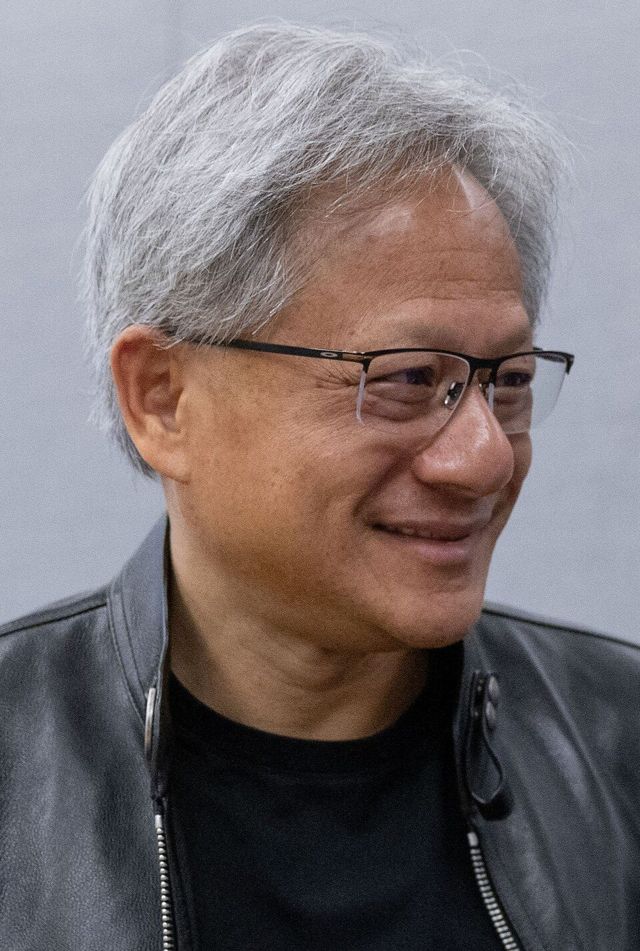
Why one executive's conduct moves the whole AI trade
Huang is not a hired manager who can be swapped out quietly. He co-founded Nvidia in 1993, employs roughly 42,000 people, and runs an unusually flat structure with about 60 direct reports, as TechCrunch notes, which leaves no obvious bench. He also holds no super-voting stock that would make him impossible to remove. Yale leadership professor Jeffrey Sonnenfeld, who has hosted Huang at CEO summits, told TechCrunch he likes Huang and called his career salvageable, but put his odds of surviving at "about a 50-50," arguing that any other Nvidia employee would be fired over the judgment involved. Nvidia also sits at the center of the AI buildout's financing, with stakes in OpenAI, Anthropic, xAI, CoreWeave and Nebius, so a leadership crisis there is not one company's problem. It lands in the middle of the AI selloff that already pushed the Nasdaq into a correction last week.
How the market separated Nvidia from the chip trade
Monday's premarket told a precise story. According to MLQ's report of CNBC's premarket figures, Nvidia shares were down 5.2% before the open, near $178 against Friday's $186.64 Nasdaq close, after a week in which the stock had already plunged 9.3% on Thursday before recovering. The rest of the sector moved the other way: according to Samuel and Co Trading's U.S. open brief, AMD was up about 3.4% before the open, ASML about 2.9% and Broadcom about 2.6%, with Dow futures up about 1.1% and the VIX down about 8.5% to around 23.5. In other words, traders treated this as a governance problem at one company, not a verdict on AI spending, the same spending question behind AMD's earnings and Qualcomm's results last week. "This boardroom storm has landed at a brutal time for the AI trade," eToro analyst Josh Gilbert told Reuters on Monday, as reported by Invezz.
The three dates that decide what happens next
First, November 11 is the deadline the House chairmen set for Huang to confirm or propose another date for their briefing. The request came in a letter dated November 4 from three Republican chairmen, Brian Mast of Foreign Affairs, John Moolenaar of the Select Committee on China and Rick Crawford of Intelligence, asking for a closed-door briefing on November 18. Second, Nvidia reports earnings on Tuesday, November 17. Its last quarter produced $96.2 billion of revenue, up 106% year over year, and guidance points to about $108 billion this quarter, so the numbers will be judged against the same AI-spending question as the Apple and Palantir prints, with a governance crisis layered on top. Third comes the requested briefing itself on November 18, the day after earnings. The board gave no timeline for its investigation. Events have since overtaken this list: Huang resigned on November 12 (see the update at the top of this article), the November 17 earnings are unchanged, and neither Nvidia nor the chairmen have said what happens to the requested November 18 briefing now that the man it was addressed to has left the company.
Sources: The Register (the board's statement language, Huang's staff email in full, the Times' October 29 and Sunday reporting, Megaspeed's suspected chip diversion, and Nvidia's response to the Times); TechCrunch (the board investigation, the Chinese Embassy dismissal, the Trump briefing a year ago, Megaspeed's roughly $2 billion of chip purchases and Nvidia's largest-buyer status in Southeast Asia, the Hill "debunked" response, the roughly 42,000 employees and 60 direct reports, the November 17 earnings and November 18 briefing dates, and Jeffrey Sonnenfeld's "about a 50-50" assessment); MLQ, reporting CNBC (the 5.2% premarket decline, the Mast, Moolenaar and Crawford briefing request, and the November 11 reply deadline); TradingView News (shares near $178 in overnight trading against the $186.64 Friday close, Thursday's 9.3% plunge, and the $96.2 billion prior quarter); Samuel and Co Trading (AMD up about 3.4%, ASML about 2.9% and Broadcom about 2.6% before the open, Dow futures up about 1.1%, the VIX down about 8.5% near 23.5, and Friday's closes); Invezz, reporting Reuters (the Josh Gilbert quote, the $96.2 billion revenue figure up 106%, data-center sales up 117% to $89 billion, and the roughly $108 billion guidance). Update, November 9, 2026: AI Stock Wire (the 10:15 a.m. ET November 9 trades: Nvidia down 4.1% at $179.08, AMD up 9.1%, Broadcom up 7.7%, Marvell up 8.8%, Micron up 5.9% and the SOXX ETF up 5.7%, all against November 6 closes; Google's 8:13 a.m. ET TPU 8tx and 8i Max announcement and its nearly 100 TPU customers; and Oppenheimer's AMD upgrade via CNBC); NationWire, reporting Reuters market data (Monday's opening and 10:58 a.m. ET index levels and the roughly 5% oil decline). Update, November 10, 2026: AI Stock Wire (the November 10 statement hiring Joon H. Kim and Wachtell, Lipton, Rosen & Katz, the absence of a timeline, Monday's 4.3% close at $178.67, Tuesday's 6.6% fall to $166.91 at 3:00 p.m. ET, the two-day 10.6% decline worth about $476 billion on 24.1 billion shares, the Times' May Air Force One account and its conflict with Trump's Monday answer, and Microsoft's brief pass of Nvidia via Reuters); The Business Standard, reporting Reuters (Trump's Monday remarks and FBI confirmation, the proposed shareholder class action, and Guo Jiakun's denial); Fast Company (Mark Kistenmacher's filing, the unspecified damages and jury-trial demand, and the 17.5% five-day decline). Market value of about $4.5 trillion as of November 6 per CosAnalyst's summary of the board documents. The intelligence allegations are unproven reports attributed to officials; no charges have been reported. This article is news, not investment advice. TechCrunch, reporting Bloomberg, November 11, 2026 (Congress preparing a subpoena, Moolenaar's end-of-day deadline on Fox Business, Mast's committee preparing a subpoena, and Nvidia not immediately responding); Barchart, November 11, 2026 (Nvidia up more than 2% in morning trading, leading the Dow's gainers, in the CoreWeave-led chip rally); CoinDesk live blog, November 11, 2026 (Nvidia up about 4% near $176.79 intraday). Update, November 12, 2026: Reuters (Huang stepping down, Kress as interim CEO, Harvey Jones as first chairman, the more-than-10% premarket fall, the board's Wednesday meeting and Huang's 3.61% stake); TechAerIs, reporting Nvidia's newsroom announcement and SEC filing (the board accepted the resignation Wednesday, Kress keeps the CFO title, the internal-and-external search, Jones' "full confidence" statement, no reason given and the November 17 results date unchanged); Reuters (the 14% opening tumble, Vanda's $111 million record retail inflow, the Fidelity buy and sell order counts, the roughly 5% afternoon decline and the $550 billion weekly market-value loss); Reuters (Trump's Truth Social post proposing Tim Cook as successor). Update, November 13, 2026: Reuters, November 13, 2026 (the board's reported approach to Arm CEO Rene Haas, via the Financial Times' people familiar with the matter, the several-candidates caveat, Arm declining to comment and Reuters being unable to verify the report); South Bay Chronicle, reporting the House chairs' November 12 letter and CBS (the December 1 transcribed-interview request and the 8 p.m. ET Friday deadline before a Foreign Affairs subpoena); Reuters, November 13, 2026 (Friday's early reversal, the 10:08 a.m. ET index levels and the softer-than-expected October producer prices); The Motley Fool, midday November 13, 2026 (the Nasdaq down 1.45% at 24,998 and Nvidia down 3.12% at 11:31 a.m. ET, and the 10-year yield at 5.10%). Update, November 16, 2026: The Motley Fool, November 16, 2026 (Bessent's Fox News interview: the 10-day window for the board and outside counsel, the compliance-culture and “goose their revenues” questions, the OCC comparison, the outside-CEO and “dramatic shakeup” lines, the MegaSpeed blacklist and “Commerce has the pen” remarks, the reinstatement petition above 180,000 signatures, and Nvidia down 4.37% at $155.74 as of 2:51 p.m. ET on Monday); Reuters, November 16, 2026 (Nvidia down 2.7% in premarket trading after its longest weekly losing streak since October 2012, ahead of Tuesday's earnings and the Anthropic debut); The Wall Street Journal, November 17, 2026 (Huang's first public statement since resigning: he would return as CEO if the board asked, he apologized and admitted "serious mistakes," and the board announced a new committee to oversee national security policies and export-control compliance); The Wall Street Journal live coverage, November 17, 2026 (the board is not considering reinstating Huang, Nvidia has hired Heidrick & Struggles with Jeff Sanders leading the CEO search and talks including Arm CEO Rene Haas, and Wachtell, Lipton, Rosen & Katz is running the independent investigation).
Read us through Google? Add TrendBrief as a preferred source and Google will boost TrendBrief in your Top Stories when you search.