Money · Explainer
Wholesale prices rose 6.5% in a year, the most since 2022, and the 10-year Treasury closed above 5%: what the October PPI actually says
The monthly figure missed low and the market shrugged. The yearly figure hit a four-year high, September was revised hotter, and the rate under your mortgage spent the week climbing through 5%.
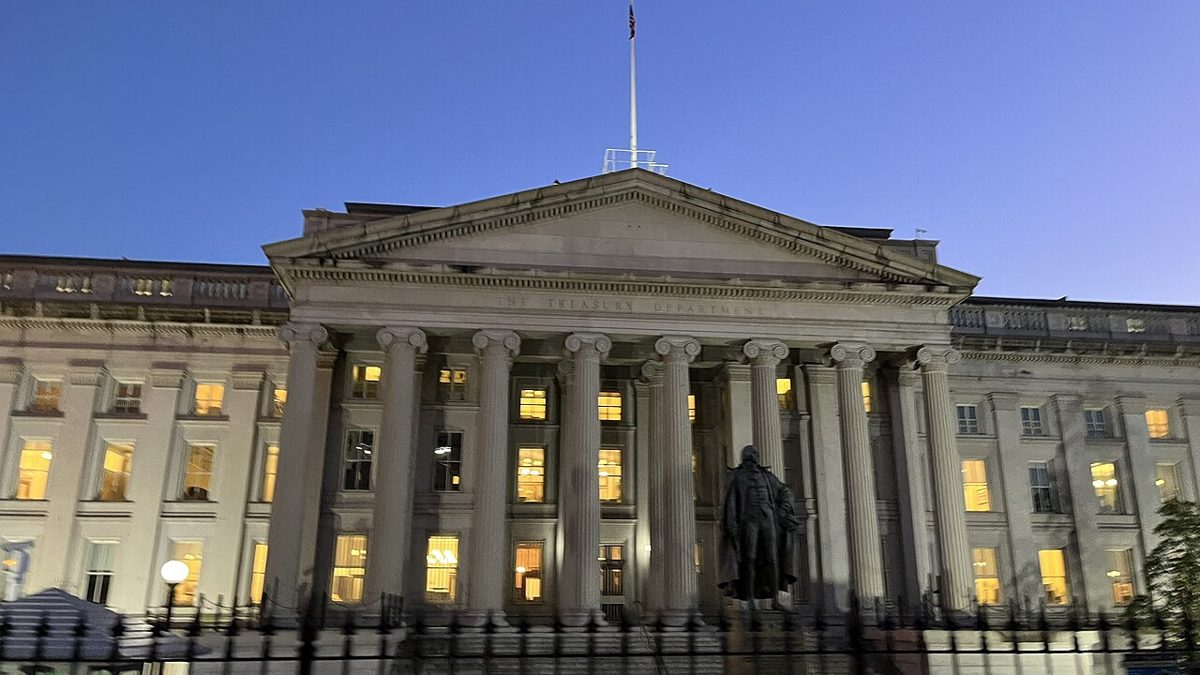
The monthly number came in soft and the yearly number came in hot, and the bond market believed the yearly one. According to the U.S. Bureau of Labor Statistics release as reported Friday, the Producer Price Index for final demand rose 0.3% in October, below the 0.4% economists surveyed by Dow Jones expected, but 6.5% over the 12 months ended in October, the largest annual increase since November 2022. Goods prices rose 0.5% on the month and services 0.2%, and September's monthly gain was revised up to 1.4%. The report is the last major inflation reading before the Federal Reserve meets on December 8-9.
Key facts
Why a below-forecast report still pushed yields up
Because of what sits behind the monthly figure. September was revised up to a 1.4% monthly jump, driven in part by a 10.8% surge in energy prices that month, so the pipeline entering October was hotter than first reported. The annual rate accelerated even as the monthly rate slowed, core prices excluding food, energy and trade services rose a firm 0.5% for a second straight month, and the report landed three days after October consumer prices also ran hot: headline CPI rose 0.4% on the month against 0.3% expected, with core CPI up 0.3%. One wrinkle cuts the other way: BLS could not collect October 2025 data during last year's government funding lapse, so it did not publish 12-month changes for most of the CPI, and the annual comparisons in this cycle carry more uncertainty than usual. Chris Rupkey, chief economist at FWDBONDS, said there was "no silver lining" in the report.
Why the 10-year yield is the number that reaches your life
The 10-year Treasury yield is the reference rate under most long-term borrowing in the United States. Mortgage rates track it closely, which is why our mortgage rates tracker moves when it moves; corporate borrowing, car loans and the government's own financing costs all price off the same curve. A yield that was 4.86% a week ago and closed at 5.15% on Friday, on course for its steepest weekly rise since April 2025, means every one of those borrowers pays more than they did last week, before the Fed has done anything. The two-year yield, the one that tracks expected Fed policy, sat near 4.86%, and the 30-year near 5.47%. Gold, which falls when yields and the dollar rise, touched $3,852 an ounce on Thursday, its lowest level since October 2025.
What happens next
Two dates decide whether Friday's pricing holds. The Bureau of Economic Analysis publishes October PCE inflation, the Fed's preferred gauge, on November 25; economists estimate core PCE rose about 0.4%. Then the Fed meets December 8-9 with a quarter-point hike fully priced in, which is a market expectation, not a decision: a soft PCE print is the one release left that could move it. November producer prices follow on December 15. Nothing in Friday's report says prices are accelerating month to month; what it says is that the year-over-year problem the Fed thought it was finishing has come back, and the bond market is charging accordingly.
Sources: The Evergreen Edit, reporting the BLS release and the U.S. Treasury yield table (the PPI detail, the yield closes and the CPI collection note); FXStreet (the core PPI detail, the dollar's 19-month high and the CPI figures); The Apex Wire (the Dow Jones consensus and the December meeting pricing); FXStreet on gold (the $3,852 low).
Read us through Google? Add TrendBrief as a preferred source and Google will boost TrendBrief in your Top Stories when you search.