Tech · Explainer
Outlook is back up: Microsoft says the outage is resolved and the email backlog has been processed
Microsoft cleared the outage late on Friday night: its status page reads "All products are operational," its final status says services across the previously affected environments have fully recovered and the backlog of email messages has been processed, and Outlook.com is listed as operational.
Updated Nov 13, 2026: Microsoft resolved the outage late Friday night; its status page says all products are operational, services have fully recovered and the email backlog has been processed.
Live updates
ResolvedLast checked 11:56 PM CT · This incident is resolved. This tracker is now a record of how the outage unfolded.
Microsoft has cleared the outage. It removed the Microsoft 365 business incident from its public status page, which now reads "All products are operational," and its final status says services across the previously affected environments have fully recovered, the backlog of email messages has been processed and the issue is remediated, with an end time of Friday, November 13, 2026, at 4:10 PM UTC; Outlook.com is listed as operational, and Microsoft calls it the final update for the event (Microsoft status page).
Microsoft says it continues to observe sustained service recovery across the previously affected environments, that due to the severity of the impact this incident caused it is monitoring for an extended period to ensure no additional mitigative actions are required, that in parallel it is monitoring the backlog of email messages accrued during this event to ensure all process successfully before considering the issue resolved, and that it is addressing all impact scenarios for dependent and related Microsoft 365 products and believes the majority of those impacted scenarios have been addressed; it still lists the incident as service degradation (Microsoft status update).
Microsoft says that, as its infrastructure stabilizes, it is still draining queued messages and rebalancing traffic, so customers may see improved sign-in and access while delivery and processing continue to catch up, that service access can recover before mail flow fully normalizes, and that it does not have an ETA for full recovery yet; it says its investigation has confirmed the root cause was a capacity management issue in one of its network infrastructure providers that surfaced following a configuration change that coincided with other network configuration changes, that the issue was isolated to that provider, and that it is working with the provider to rebalance traffic and reconfigure network paths to address the capacity shortfall, and it still lists the incident as service degradation (Microsoft status update).
Microsoft says it is seeing broad recovery and stability across its services, that core service functionality has been largely restored, that it will continue to validate services in the coming hours and may temporarily throttle non-critical services to protect user experience, and that the incident was introduced by an issue during an earlier network capacity upgrade that surfaced following an unrelated fiber cut, which reduced overall capacity and caused Outlook connection failures and latency and affected other Microsoft 365 services and features that rely on Exchange Online; it says this was a technical issue not related to a security incident or malicious activity, apologizes for the disruption, and says it remains committed to restoring full service as quickly as possible (Microsoft status update).
Microsoft says it remains focused on addressing residual impact and ensuring reliable service restoration, that it continues to assess recovery across various connection methods and is closely monitoring service health to verify sustained stability, and that it has no evidence of malicious activity associated with this incident, will continue to treat it with urgency until full mitigation, and will share a full Post-Incident Report with root cause and defense-in-depth actions after mitigation is complete (Microsoft status update).
Microsoft says it is observing sustained improvements in service availability as recovery progresses across affected Microsoft 365 services, that while service functionality continues to improve some users may still experience intermittent connectivity issues or delayed email delivery, that its efforts are increasingly focused on resolving the remaining issues and restoring consistent service for all affected users, that it is validating recovery across different connection methods and monitoring service stability to confirm that improvements are sustained, and that it has no evidence of malicious activity associated with this incident, will continue to treat it with urgency until full mitigation, and will share a full Post-Incident Report with root cause and defense-in-depth actions after mitigation is complete (Microsoft status update).
Microsoft says it is continuing to see improvements in service availability, with email queues significantly reduced and approaching normal levels, though some users may still experience intermittent access issues or delayed email delivery as recovery continues; it says it has implemented additional mitigation measures and is restoring the remaining affected infrastructure while investigating residual service issues, that it is closely monitoring service health and validating recovery across the affected connection methods to ensure sustained service stability, and that it has no evidence of malicious activity associated with this incident (Microsoft status update).
Microsoft says it is seeing continued recovery progress across affected regions, with broader improvements now observed in North America and sustained improvements across much of Europe, and encouraging recovery signals in Asia Pacific, though some users may still experience intermittent access issues or delayed email delivery as mitigation progresses across the remaining affected infrastructure; it says its focus remains on stabilizing recovered infrastructure, completing mitigation in the remaining impacted areas and reducing delayed email queues and backlogs, that it is closely monitoring service consistency and validating recovery across different connection methods as it works toward full mitigation, and that it has no evidence of malicious activity associated with this incident (Microsoft status update).
Microsoft says it is seeing encouraging recovery progress in Europe, with service availability and email delivery improving across a growing portion of the affected Microsoft 365 infrastructure, that Japan remains comparatively more stable and North America is also improving, though some users may still see intermittent issues as recovery continues; it says its focus is addressing the remaining areas of disruption and improving service consistency, that reducing email queues and backlogs remains a priority and the extended 48-hour email timeout window remains in place, and that it has no evidence of malicious activity associated with this incident (Microsoft status update).
Microsoft says it has made additional progress toward recovery, with recovery actions completed across portions of the affected infrastructure in the Asia Pacific region, traffic gradually being restored and improvements seen in mailbox access and delayed email processing, though some users may still see intermittent issues; it says its focus is now extending those actions to other regions while continuing stabilization and adding capacity, that reducing email queues and backlogs remains a priority and the extended 48-hour email timeout window remains in place, and that it has no evidence of malicious activity associated with this incident (Microsoft status update).
Microsoft says recovery actions are ongoing and have progressed in phases across affected Microsoft 365 infrastructure, that global telemetry and customer reports show incremental improvement in several workloads but service health remains variable and capacity has not yet fully returned to baseline, that network and traffic-management actions remain active, and that it is continuing to prioritize queue and backlog processing and has extended the email timeout window to 48 hours to protect delayed messages; it says it has no evidence of malicious activity associated with this incident (Microsoft status update).
Microsoft says recovery efforts are ongoing across the impacted infrastructure, that it is seeing early signs of stabilization but service capacity has not yet returned to normal levels and health remains variable as traffic is carefully reintroduced, that its engineering teams are cycling affected infrastructure through traffic drain, restart, remediation and a staged return to service, and that it is extending the email timeout window to 48 hours to protect delayed messages; it says it is not aware of any malicious activity causing this incident (Microsoft status update).
Microsoft says it is continuing to see increased server capacity stability after applying the upstream authentication/routing configuration component patch, that with confirmation of server stability across the portions of infrastructure to which it has applied the patch, it has initiated its expansion to systematically focus on infrastructure supporting regions currently within or entering peak business hours, and that it will continue to monitor the status of changes applied and develop additional modifications intended to improve server stability and capacity; it says it is not aware of any malicious activity causing this incident, will continue to treat the incident with urgency and priority until full resolution, and once mitigated will provide full details of the root cause, defense-in-depth repair items and more in a post-incident report (Microsoft admin-center update).
Microsoft says it is seeing positive results for server stability after applying an upstream authentication/routing configuration component patch to a portion of its infrastructure, that it will continue to monitor its progress and is working to expand it to servers supporting active regions coming online, and that it is not aware of any malicious activity causing this incident, will continue to treat the incident with urgency and priority until full resolution, and once mitigated will provide full details of the root cause, defense-in-depth repair items and more in a post-incident report (Microsoft status update).
Microsoft says it is continuing to monitor activity across regions to evaluate server status and determine actions that can be taken to improve capacity, including reviewing server performance and confirming that developed patches have been applied and are working as intended after infrastructure reboots are completed, that at this point it has observed marginal success, and that in parallel it is taking action to expand capacity through the use of virtual machines; it says it is not aware of any malicious activity causing this incident, will continue to treat the incident with urgency and priority until full resolution, and once mitigated will provide full details of the root cause, defense-in-depth repair items and more in a post-incident report (Microsoft admin-center update).
Microsoft says that, as part of its ongoing efforts to advance the recoverability of its frontend servers, it is evaluating traffic controls that can be applied to increase capacity and stability, including traffic optimization actions such as traffic throttling, protocol adjustments and failover routing intended to improve stability in active regions, and that in parallel it is expanding internal testing to track activity within a contained environment to improve traffic monitoring and issue detection; it says it is not aware of any malicious activity causing this incident, that it will continue to treat the incident with urgency and priority until full resolution, and that once it is mitigated it will provide full details of the root cause, defense-in-depth repair items and more in a post-incident report (Microsoft status update).
Microsoft says it is continuing to pursue multiple workstreams to pinpoint the underlying cause of the traffic influx and advance the recoverability of the backend servers, that it is taking a measured approach to identify and repair affected infrastructure to improve its ability to confirm the changes it has developed were applied, and that it is tracking the results of that approach to verify the servers are showing the anticipated recovery and performance; it says it is not aware of any malicious activity causing this incident, that it will continue to treat the incident with urgency and priority until full resolution, and that once it is mitigated it will provide full details of the root cause, defense-in-depth repair items and more in a post-incident report (Microsoft admin-center update).
Microsoft says that, as it has applied its current ongoing mitigation actions, it has observed a surge in outbound call volume from its routing services to its backend servers, which occurs when the backend servers' outbound service cannot properly route to the backend machines, that it is continuing to observe heightened volume due to the traffic rebalancing actions it has taken throughout this event and is working on multiple workstreams to pinpoint the underlying cause of that traffic influx and address it, and that its current actions include scaling up virtual machines to increase capacity and reduce load and querying for machines in a bad state to perform a force sync for its recent network change, which may improve service availability, but that it is encountering issues with the machines being stuck in a bad state, preventing its changes from syncing as expected, and that it will continue to monitor the effectiveness of the changes applied to determine what refinements are necessary (Microsoft admin-center update).
Microsoft says it is continuing its efforts to improve server stability to improve traffic flow, including adjusting traffic protocols, redistributing traffic, and applying strategic traffic blocking measures, and that it is observing partial recovery across regions where it has applied those adjustments but that those actions are not resulting in sustained recovery, so it is reviewing what additional actions it can take to improve overall infrastructure stability (Microsoft admin-center update).
Microsoft says that, as part of its investigation into the sustained traffic management imbalances, it is reviewing traffic flows and affected infrastructure to identify opportunities to optimize routing, including verifying the reasons for service failures so it can develop specific actions to improve stability, and that it can confirm there is no indication this is the result of malicious activity (Microsoft admin-center update).
Microsoft says it has monitored the status of the changes applied to improve serviceability and confirmed that that change is not taking as expected, and that it is identifying alternate workstreams that can be applied to increase capacity in the face of sustained traffic management imbalances (Microsoft admin-center update).
Microsoft says it is applying infrastructure capacity improvements where possible to help support traffic in regions coming online, and that it is continuing to monitor the results of the changes applied so it can identify strategic actions that can help improve service health across all affected regions (Microsoft admin-center update).
Microsoft says it is seeing positive results with its efforts to restart affected infrastructure, that it is actively monitoring the performance of that infrastructure to verify stability, which will support improved availability, and that remediation actions will be expanded as it confirms stability with the changes applied (Microsoft admin-center update).
Microsoft says its investigation has found that a process on the affected servers responsible for establishing secure connections becomes overwhelmed, causing the servers to stop processing requests; it is preparing a configuration change to address that behavior, validating it on a subset of servers before applying it more broadly alongside restarts of the affected infrastructure, and in parallel has begun reverting a recent network configuration change that correlates with the start of the outage while monitoring whether that helps recovery; it says the temporary traffic limitations it described earlier are now in effect in specific locations, and that it will gradually reintroduce additional traffic once the servers there are confirmed stable while handling a narrower set of connections (Microsoft admin-center update).
Microsoft says it has reviewed known impact scenarios and revised its list of affected services and features: only the features of those services that interact with Exchange Online and email are affected, while elements that do not depend on Exchange Online remain functional; it clarifies that Teams core messaging and online meetings remain largely functional and that files stored directly in SharePoint Online remain accessible, notes that Exchange Online email delivery may be delayed, and adds the Microsoft 365 admin center, the recently used files view in Microsoft 365 apps, Microsoft 365 Education features, Microsoft Fabric and Microsoft Graph requests for Exchange Online data to the affected list; it says it is continuing its work to isolate the issue affecting server availability, alongside other workstreams (Microsoft admin-center update).
Microsoft says the servers it has returned to service initially remain healthy but can become unresponsive again once they begin receiving traffic, that engineers are analyzing diagnostic data from those servers with networking and platform experts to find what triggers the behavior, that it is temporarily limiting which types of traffic can reach the affected infrastructure in specific locations to see whether a particular type of request is contributing to the problem and to restore service incrementally, and that in parallel it is rebuilding a subset of the affected servers with a previous software configuration and will extend that approach if it works; it also added Windows 365 Cloud PCs for customers that use Microsoft Purview Customer Key to the list of affected services (Microsoft admin-center update).
Microsoft says it has begun returning a portion of the affected servers to service and they are remaining stable so far, that it has shifted traffic and connections to alternative pathways where possible and has seen limited recovery in some regions, that it has streamlined the process for bringing the remaining servers back and is applying protective traffic-management measures in one location to reduce load, which it will extend to other locations if they work, and that users may see a gradual recovery as their apps reconnect; it also added Universal Print, where users may hit errors submitting print jobs, to the list of affected services (Microsoft admin-center update).
Microsoft says it is continuing to pursue all available pathways to restore service, as the actions taken so far have not provided the anticipated relief; it says its investigation has found that a core process on the affected servers is becoming overwhelmed, which causes the servers to stop responding and contributes to the capacity loss, and that to validate a potential recovery approach it is fully isolating a portion of its service infrastructure, restarting the affected components and gradually reintroducing traffic to confirm services remain stable before applying the approach more broadly, while also analyzing traffic patterns across its entire infrastructure and evaluating whether isolating traffic within each region may allow affected regions to recover independently (Microsoft admin-center update).
Microsoft says it is continuing to work through restarting and validating the affected servers to safely return them to service, and is exploring opportunities to expedite that process; in parallel, it is assessing whether reverting the small number of recent configuration updates it identified could help accelerate recovery (Microsoft admin-center update).
Microsoft says it has validated an alternative health check method on a subset of the affected infrastructure, which allowed the servers in that subset to successfully return to service, and that it is now applying the change more broadly; it is also preparing an automated recovery process to continually detect and restart unresponsive servers to help keep them in service while the change progresses, and says its review of recent changes has identified a small number of configuration updates it is investigating as potential contributors to the issue (Microsoft admin-center update).
Microsoft says that while validating the targeted bypass change it found many of the affected servers have become unresponsive, which is preventing it from confirming whether the change is effective; it is restarting those servers so they can come back online with the change in place, and is applying the same approach to additional affected portions of its infrastructure to validate the results more broadly (Microsoft admin-center update).
Microsoft says it has not identified any recent change that correlates with the start of the outage, but that the failed health checks may originate from a specific component on the affected servers that is responsible for processing them; it is deploying a targeted change to bypass that component on a subset of servers to test whether it restores availability, has taken steps to prevent additional servers from being removed from service, and is investigating why affected servers are showing elevated processor usage while handling requests (Microsoft admin-center update).
Microsoft says affected servers are failing automated health checks, which is making them unavailable, and that this may be related to a recent change to a component involved in processing those checks; it is testing a configuration change on a subset of the affected infrastructure, will apply it more broadly if it works, and has started restarting all affected servers while checking whether they return to service (Microsoft admin-center update).
Microsoft says the elevated load is not driven by an overall increase in traffic, but by a large number of servers being unexpectedly unavailable, shifting load onto the remaining infrastructure; it is investigating why the servers became unavailable while working to safely return them to service (Microsoft admin-center update).
Microsoft says it has paused all deployments and configuration changes as a precaution while it reviews recent changes for any correlation, and has moved traffic for some services off the affected infrastructure, with additional traffic moves in progress (Microsoft admin-center update).
Microsoft says it has completed redistributing Outlook connection traffic across its worldwide infrastructure, is moving additional traffic off the affected infrastructure, and is restarting affected servers to return them to service (Microsoft admin-center update).
Downdetector reports begin to tick down: Outlook reports fall to 92,914 at about 12:50 PM CT, down from a peak of 128,874 at 12:09 PM CT (via USA TODAY).
Microsoft says it has begun redistributing connection traffic across its broader worldwide infrastructure to help balance the load (via USA TODAY).
Microsoft says a portion of its infrastructure is experiencing elevated load across multiple regions, likely contributing to the connectivity errors, and adds a second incident reference, MO1550821.
Microsoft widens the scope: while it works to mitigate impact, the issue may affect Microsoft 365 service connectivity for users in any region.
Downdetector reports pass 128,000 (the 1:10 PM ET count, via NorthJersey).
Downdetector counts reach 22,323 reports for Microsoft 365 (the 12:55 PM ET figure, via USA TODAY); Outlook reports approach 83,000 just before noon CT.
Microsoft says it is investigating issues accessing Exchange Online mailboxes through multiple connection methods in the Americas (incident EX1550543).
Downdetector posts that user reports indicate problems with Microsoft Outlook since 12:27 PM ET.
Resolved late Friday: Microsoft says the outage is over
Update, Friday, November 13, 2026, 11:42 p.m. CT: Microsoft has cleared the Microsoft 365 business incident from its public status page, which now reads "All products are operational." Its final status says services across the previously affected environments have fully recovered, the backlog of email messages has been processed and the issue is remediated; it gives an end time of Friday, November 13, 2026, at 4:10 p.m. UTC and calls itself the final update for the event. Outlook.com is listed as operational. That is the all-clear this tracker was waiting for: the outage that began on Thursday, tracked by Microsoft as EX1550543 and MO1550821, is resolved.
Not every screen will agree instantly. Downdetector was still heading its Outlook page "User reports show problems" late on Friday, with 182 reports at 11:19 p.m. CT against a baseline of 2, far below the peaks of the outage, and Microsoft itself spent Friday evening warning that access can recover before mail flow fully normalizes. If your mail is still not right, work through the steps in "What happens next" below. Microsoft has promised a full Post-Incident Report with the root cause and its defense-in-depth fixes; that report is the next milestone.
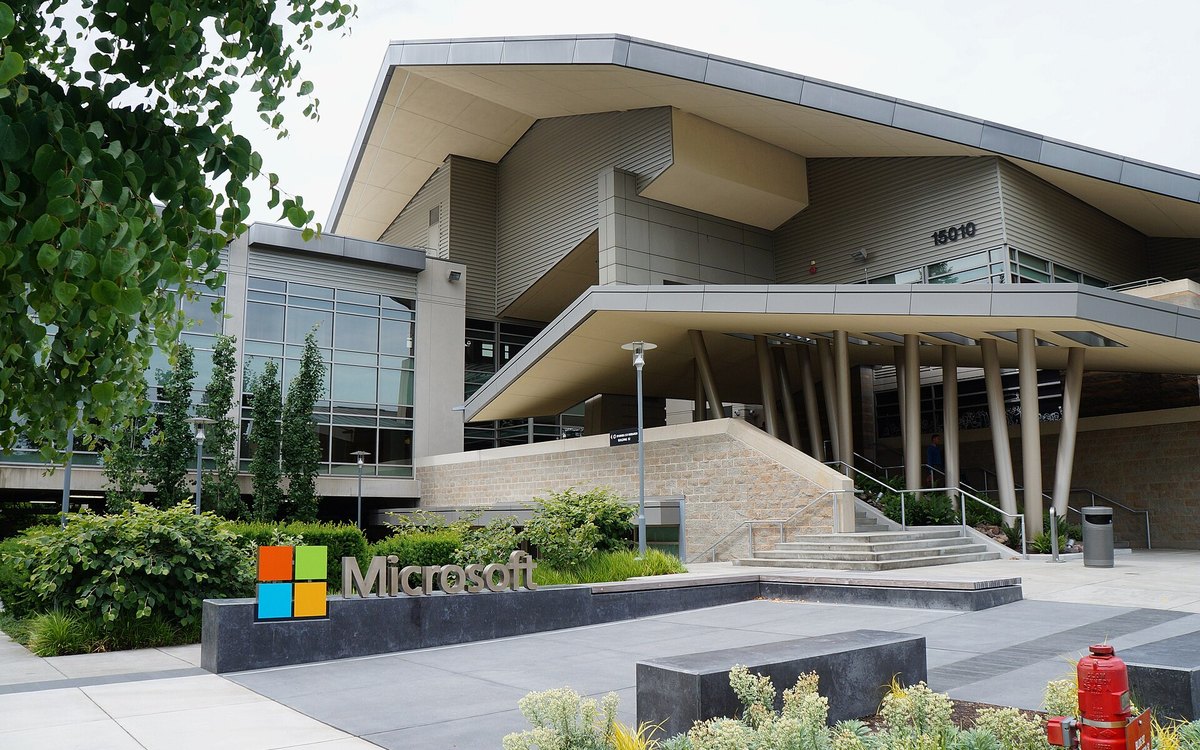
If your work inbox would not load late Thursday morning, the problem was not your password. According to USA TODAY's November 12 report, outage reports for Microsoft services spiked just after 11 a.m. Central (12 p.m. Eastern), and reports about Outlook reached just shy of 83,000 just before noon Central (1 p.m. Eastern). Microsoft then said it was investigating trouble with Exchange Online, the mail system behind many work and school accounts.
Key facts
What happened, and when
The reports clustered fast. Downdetector said in its own post that user reports indicated problems with Microsoft Outlook since 11:27 a.m. Central (12:27 p.m. Eastern). By 11:55 a.m. Central (12:55 p.m. Eastern), Microsoft 365 reports had reached 22,323, USA TODAY reported from Downdetector's counts. Just before noon Central (1 p.m. Eastern), Outlook reports stood just shy of 83,000, and around the same time Teams had drawn about 2,000 reports and Copilot about 4,400.
Those are user reports filed with an outage tracker, not a Microsoft count of affected accounts. They are good evidence of the outage's timing and scale. They do not prove that every person who filed a report lost service for the same reason, and they are not an official affected-user total.
What Microsoft has confirmed
Just before noon Central (1 p.m. Eastern), Microsoft said through its Microsoft 365 Status account on X: "We're investigating reports of users experiencing issues accessing Exchange Online mailboxes through multiple connection methods in the Americas."
That one sentence does three things. It confirms that Microsoft is investigating, it names Exchange Online mailboxes as the service involved, and it sets the geographic scope as the Americas. It does not name a cause, and it does not give a time when service will return. Neither has appeared in the verified reporting so far.
Earlier on Thursday, Microsoft had posted about issues with Teams in North America and said in the same thread that they were resolved around 11 a.m. Central (noon Eastern), according to USA TODAY's account of the thread. Treat that as context. The current, later confirmation is about Exchange Online mailboxes, not Teams.
Exchange Online is not the same as free Outlook.com
Exchange Online is Microsoft's cloud mail service for organizations. When a business or school runs its email on Microsoft 365, Exchange Online is the service that stores the mailbox and handles sending and receiving, while Outlook on a computer, a phone or the web is the app people use to reach it.
Outlook.com is the separate free personal mail service. Microsoft's confirmed statement names Exchange Online, and it does not say that the free Outlook.com service is down. Downdetector's Outlook category collects user reports under the Outlook name, which is why its much larger count and Microsoft's narrower confirmation can both be true at once.
Who is affected
The people squarely inside Microsoft's statement are work and school users in the Americas who reach their mail through Exchange Online, and who are hitting the problem through more than one connection method. Reports center on North America. Microsoft has not published a country-by-country breakdown, so the United States, Canada and Mexico are not separately confirmed scopes in Microsoft's wording.
The Teams and Copilot report counts show that other Microsoft 365 services were drawing complaints in the same window. Microsoft's verified statement for this incident, though, confirms only the Exchange Online investigation. This article does not upgrade those report counts into confirmed Teams or Copilot outages.
What to do while mail is down
There is no reader-side repair for a server outage, but there are useful checks. If you manage a Microsoft 365 account, check the service health page in the Microsoft 365 admin center, where Microsoft posts incident detail for administrators. Everyone else can watch the Microsoft 365 Status account on X, linked above, for the company's next public update.
Wait and retry. A platform outage like this one is fixed on Microsoft's side, and access usually comes back on its own once the service recovers. If a message cannot wait, use a phone call, a text or another account you already have rather than fighting a sign-in screen.
Do not repeatedly reset your password. An outage can look exactly like a sign-in failure, and repeated resets will not repair Exchange Online. They can leave you juggling a brand-new password, and possibly a lockout, once the service returns.
What happens next: if your mail is still not back
The outage is resolved, so this section is now a checklist for anyone whose mail is still not right. First, close and reopen Outlook, or sign out and back in: apps that held a broken connection during the outage can stay stuck on it after the servers recover. Second, check for the message you are missing before assuming it is lost: Microsoft extended the email timeout window to 48 hours during the outage and says the backlog has now been processed, so mail sent during the outage should have landed; if a specific message never arrives, ask the sender to send it again. Third, if your whole organization is still down while Microsoft's status page reads operational, the problem is more likely local or specific to your organization, and your admin can check the EX1550543 and MO1550821 notices in the Microsoft 365 admin center.
One thing is still to come: Microsoft has promised a full Post-Incident Report with the root cause and its defense-in-depth fixes after mitigation is complete. That report is the next milestone, and this article will be updated when it appears.
Frequently asked questions
Is Outlook down right now?
Not anymore. Microsoft resolved the outage late on Friday, November 13, 2026: its status page says all products are operational, services have fully recovered and the email backlog has been processed. If your app still will not connect, close and reopen it or sign out and back in, and give delayed mail a little more time to land.
Is it just me?
No. Outlook drew just shy of 83,000 user reports on Downdetector just before noon Central (1 p.m. Eastern), per USA TODAY, and Microsoft 365 reports reached 22,323 in the same window. A problem shared at that scale is on the platform's side, not your device's.
Did Microsoft say the free Outlook.com is down?
No. Microsoft's confirmed investigation names Exchange Online, the mail service behind work and school Microsoft 365 accounts. It makes no statement about the free personal Outlook.com service.
Is my mail lost?
Normally, no. The way Exchange normally behaves during an outage is to accept and queue incoming mail on Microsoft's servers and deliver it once service is restored, so messages sent to you during the outage should arrive, possibly late. That is a description of how the service normally works, not a promise Microsoft has made about this specific incident.
Should I reset my password?
Not repeatedly. A service outage can mimic a sign-in failure, and resetting will not fix it. Wait for Microsoft to confirm the service is back, then sign in as usual.
Get this in your inbox: Get tomorrow morning's stories, and updates to this one: Microsoft's next status post is the next milestone on this story, and the free TrendBrief email lands each morning with the day's top stories, explained. Joining takes seconds, and unsubscribing is one click. The signup form is just below.
Sources: USA TODAY, "Thousands of users reporting issues with Microsoft Outlook, 365," November 12, 2026 (the report spike just after 12 p.m. ET, the 22,323 Microsoft 365 reports by 12:55 p.m. ET, the just-shy-of-83,000 Outlook reports and the roughly 2,000 Teams and 4,400 Copilot reports near 1 p.m. ET, the Microsoft 365 Status quote, and the earlier Teams thread Microsoft said was resolved around noon ET); Downdetector, Microsoft Outlook status page (its post that user reports indicated problems with Microsoft Outlook since 12:27 p.m. ET); Microsoft 365 Status on X (the company's statement that it is investigating issues accessing Exchange Online mailboxes through multiple connection methods in the Americas). All times converted to Central first, with Eastern in parentheses; Microsoft's Service health status page, checked late on Friday, November 13, 2026 (all products operational, the business incident no longer listed, Microsoft 365 (Consumer) listed as service restored with the final status and end time in the resolution update above, and Outlook.com operational). Microsoft's later updates, including the confirmed cause and the resolution, are in the live timeline above.
Read us through Google? Add TrendBrief as a preferred source and Google will boost TrendBrief in your Top Stories when you search.