Politics · Explainer
A proposed USDA rule would end automatic SNAP eligibility, and the department's own math says 6.3 million people would lose food aid
Ending broad-based categorical eligibility would push 3.2 million households off SNAP by 2029 on USDA's own count, and 1.78 million children would lose automatic free school meals. Comments close December 10.
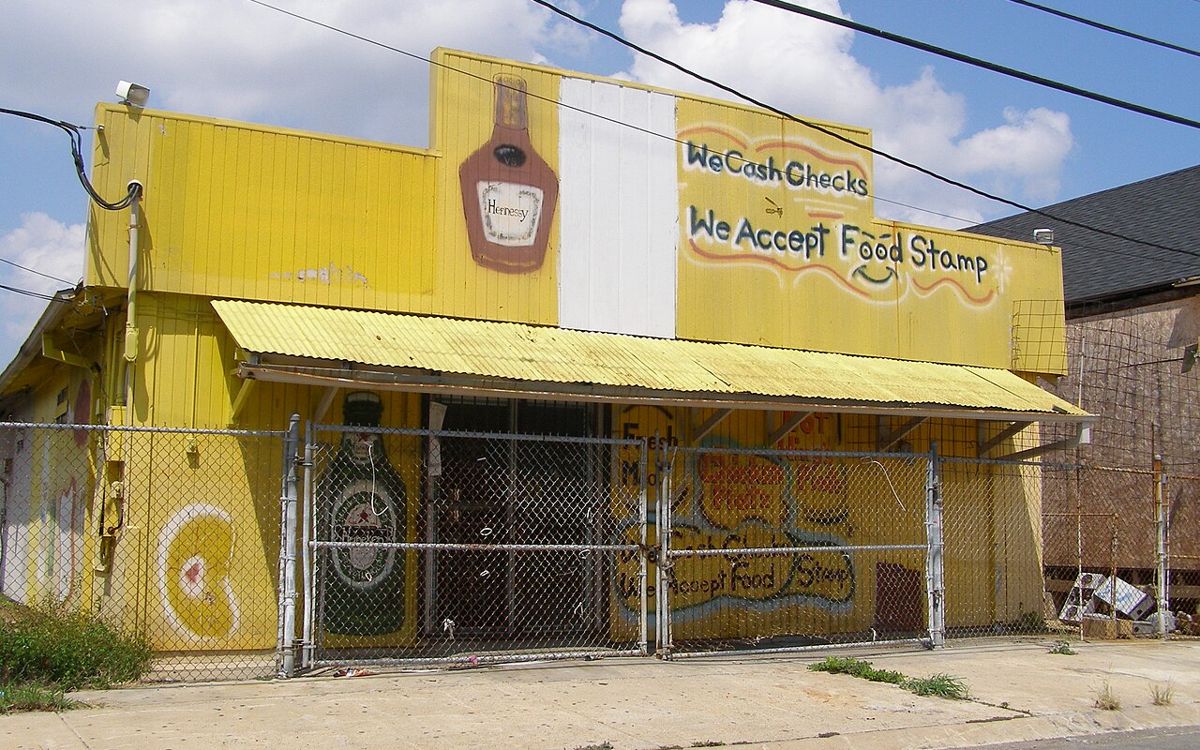
The federal government is proposing to close the door most states use to put households on food stamps. According to Reuters, a proposed rule issued by the US Department of Agriculture on Tuesday would curb automatic eligibility for the Supplemental Nutrition Assistance Program, or SNAP, for households receiving aid under the Temporary Assistance for Needy Families program. By the agency's own analysis, included in the proposed rule, nearly 18 percent of SNAP recipients, about 6.3 million people, would lose benefits. It is a proposal, not a final rule, and nobody's benefits change today.
Key facts
The policy being ended has a long name and a simple job
The target is "broad-based categorical eligibility," or BBCE. Under it, a household that receives a TANF-funded benefit or service, even a non-cash one like a workforce program or a pamphlet service, is treated as automatically eligible for SNAP, without a separate check against SNAP's federal income threshold, generally 130 percent of the poverty line, and often without any check of savings or assets at all. States adopted it to cut duplicate paperwork: one eligibility decision instead of two. USDA's proposal would limit categorical eligibility to households receiving TANF "assistance," as federal welfare rules define it, which is largely temporary cash aid. Households qualified through non-cash services would have to pass SNAP's own income and resource tests, and states that dropped resource checks would have to start assessing them. The rule, signed by Deputy Secretary Stephen A. Vaden, says the change would make eligibility more standardized and "preserve benefits for the truly needy," in the department's words as reported by Reuters.
The ripple reaches school lunch
SNAP enrollment is also a key that opens other doors, and the proposal tracks those too. About 1.78 million children would lose automatic eligibility for free school meals, according to the department's analysis summarized by Focal News' read of the rule, though roughly 97 percent would still qualify through a separate income-based process, and an estimated 28,000 children would be required to pay full price. The context matters as well: more than 5.5 million people have already lost SNAP benefits since the cuts in the July 2025 tax law took effect, bringing enrollment to about 36 million people, according to USDA data cited by Reuters. This proposal, if finalized, would be the second large reduction layered on the first, with its full effect landing in fiscal 2029.
What happens next, and how to weigh in
Proposed rules must survive public comment and possible revision before they can take effect, and this one is open for 30 days after its November 10 Federal Register publication, through December 10. You can comment on the proposal at Regulations.gov under docket number FNA-2026-0661. Supporters in the administration frame BBCE as a loophole that let households above federal income and asset limits onto the program; food-policy groups are expected to argue the change trades a paperwork saving for millions of lost benefits and new state administrative costs. Both arguments will be in the comment file. What is not in dispute is the department's own arithmetic: 6.3 million people, 3.2 million households, and about $44.65 billion of federal spending over five years.
Sources: Reuters (the proposed rule, the nearly 18 percent / 6.3 million estimate, the TANF mechanics, the "truly needy" framing, the 5.5 million already removed and the 36 million enrollment); Focal News (the 46-state BBCE count, the 41 states without resource checks, the $44.65 billion five-year figure, the 1.78 million children and 28,000 full-price estimate, and the docket and comment details); USDA proposed rule, "Supplemental Nutrition Assistance Program: Reforming Categorical Eligibility," Federal Register document 2026-22936, published November 10, 2026.
Read us through Google? Add TrendBrief as a preferred source and Google will boost TrendBrief in your Top Stories when you search.