Tech · Explainer
The FCC just let SpaceX build data centers in orbit — 1 million of them, on a 2033-to-2040 clock
The FCC on Wednesday authorized SpaceX to deploy up to 1 million 'Starmind' satellites that would work as data centers in space, the first US authorization of its kind. The approval is conditional, on a 2033-to-2040 deployment clock, and the debris plan for higher orbits is still unapproved.

Watch: the Associated Press on the FCC's SpaceX authorization, from Associated Press.
There are roughly 16,700 working satellites in orbit today. On Wednesday, the Federal Communications Commission gave one company permission to add up to 1 million more — not for internet or imaging, but as flying data centers that would run artificial-intelligence workloads on solar power and beam the results back to Earth.
The authorization, in numbers
What the FCC actually approved
According to Reuters, the FCC authorized SpaceX to deploy 1 million satellites for data centers in space, approving the "Starmind" constellation to help meet rapidly growing demand for AI computing. USA TODAY reported the agency described it as the first authorization in US history for a constellation of space-based data centers, and FCC Chair Brendan Carr called it a historic first in the AI race. The logic is energy: ground data centers strain power grids, while a satellite in sunlight can run on solar power around the clock. The approval also lets SpaceX use radio-frequency links for backup and emergency telemetry, tracking and command. It is an authorization, not a fleet: nothing about it puts a single Starmind satellite in orbit today.
The clock, and the catch
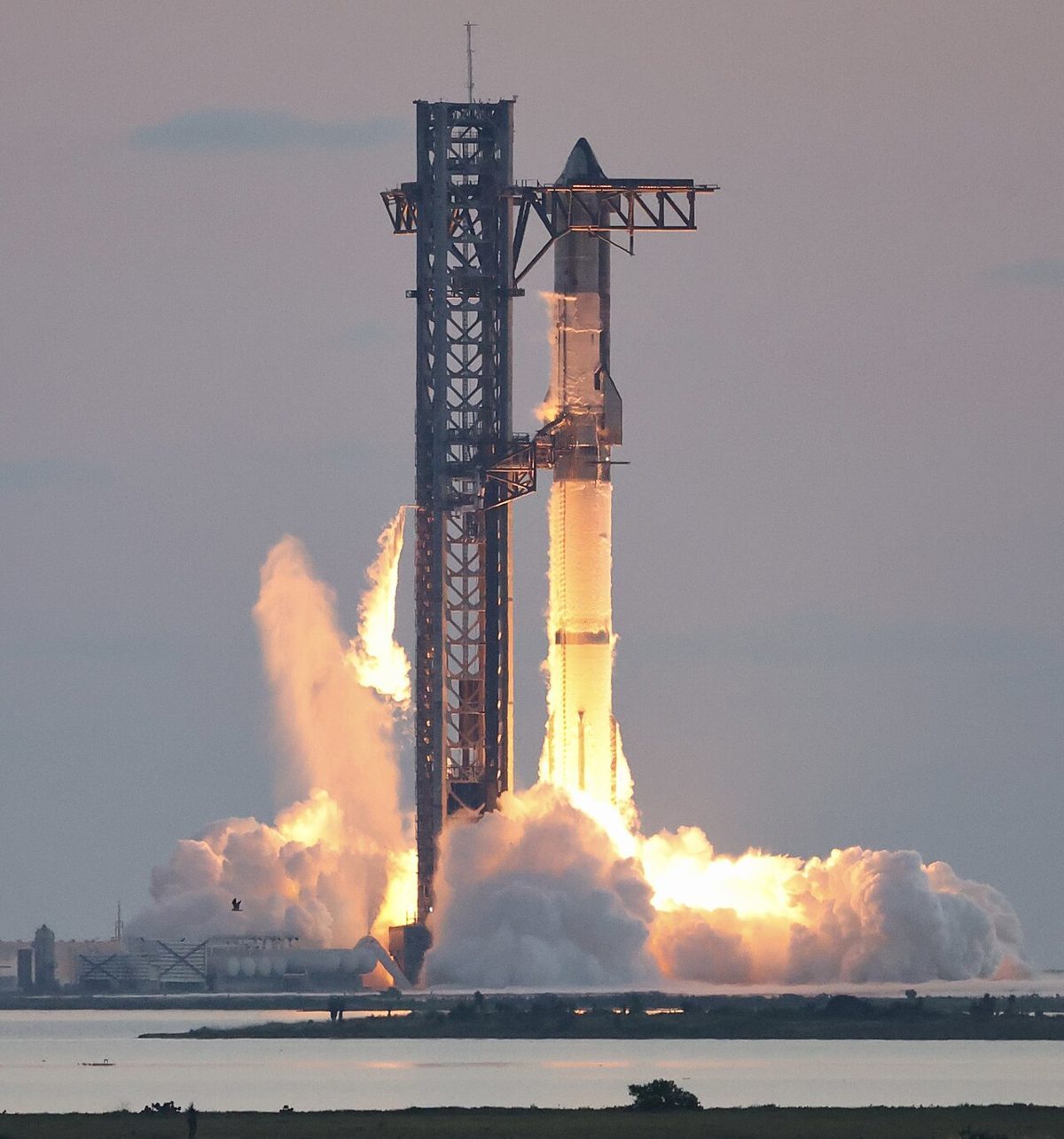
The license comes with milestones that function as a use-it-or-lose-it clock. CNN reported that SpaceX must deploy at least one authorized space station by November 2033, 10% of the constellation — 100,000 satellites — by November 2035, and 50% by November 2038, with the full million due by 2040. TechCrunch reported that the approval is conditional in a second way: the FCC has not yet approved SpaceX's debris plan for satellites operating above 600 kilometers, and a requested waiver that would let dead satellites be parked in graveyard orbits instead of burning up was deferred. The authorization was granted over objections from Amazon, Viasat and the American Astronomical Society, which flagged orbital debris and congestion, radio interference and the effect on astronomy. And the whole plan depends on hardware that does not exist yet at scale: the Wall Street Journal noted SpaceX needs its Starship rocket operational to launch the constellation, and that CFO Bret Johnsen said last week the company plans to launch its first space data centers in 2027 and expand through 2029 — years ahead of the FCC's first hard deadline.
What happens next
The FCC said it is still reviewing other companies' orbital data-center proposals, including efforts associated with Google and Blue Origin, and will decide each on its own. For SpaceX, the near-term proof point is not a million satellites but the first demonstration hardware Musk has pointed to for late 2027. Until then, Starmind is what this week's news actually is: the largest space license ever granted, for a kind of infrastructure that has never flown.
Sources: Reuters, US authorizes SpaceX to deploy 1 million satellites for data centers in space, Nov 25, 2026 · CNN, US authorizes SpaceX to deploy 1 million satellites for AI data centers, Nov 26, 2026 · TechCrunch, FCC approves SpaceX plan to put AI data centers in space, Nov 25, 2026 · USA TODAY, FCC approves SpaceX plan for data-center satellites, Nov 25, 2026 · Wall Street Journal, SpaceX gets approval to launch one million satellites, Nov 26, 2026
Get TrendBrief in your inbox
The day's top stories, explained — free, every morning.
Read us through Google? Add TrendBrief as a preferred source and Google will boost TrendBrief in your Top Stories when you search.