Tech · Explainer
Tesla will wind down Cybertruck production in mid-2027 to make room for the Cybercab: what owners and buyers need to know
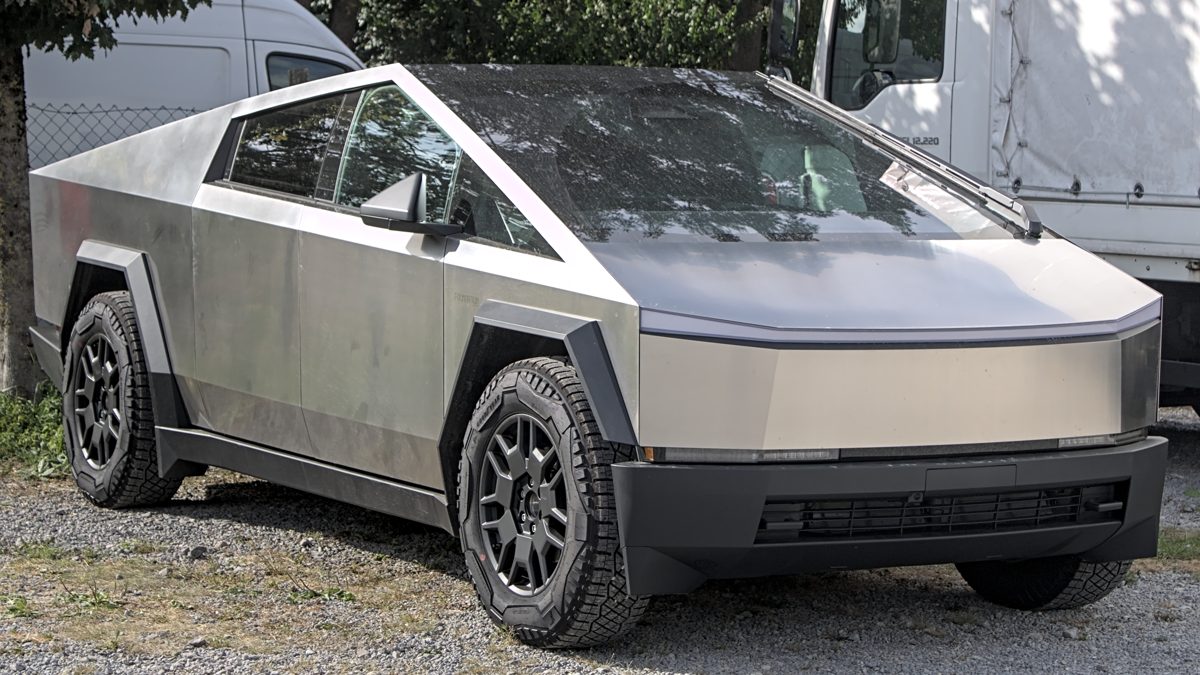
Elon Musk said Friday that Tesla will wind down Cybertruck production at Gigafactory Texas around the middle of 2027 to make room for more Cybercab robotaxis.

Watch: CBC News: The National on the end of the Cybertruck and Tesla's pivot to robotaxis, from CBC News.
The Cybertruck has an end date. In a post on X on Friday, November 6, Elon Musk wrote that "Tesla will be winding down production of the Cybertruck at Gigafactory Texas around the middle of next year to make room for increased Cybercab production," according to MarketWatch. The official Cybertruck account marked the moment the same morning with a video of the truck driving into the sunset. If the wind-down lands in mid-2027 as stated, the stainless-steel pickup will have been on sale for about three and a half years, after a reveal in 2019, years of delays, and a first delivery at the end of 2023. Musk did not say whether production stops entirely or moves somewhere else, and Austin is the only plant known to have the tooling for the truck's specialized stainless-steel parts, a point Electrek emphasized in its account.
Key facts
Key facts
The sales math behind the decision
Tesla does not break out Cybertruck deliveries. It folds them into an "Other Models" bucket with the Model S, Model X and Semi, which delivered 8,295 vehicles in the third quarter of 2026, down from 12,364 in the second, as Electrek reported from Tesla's figures. Third-party counts fill the gap: Cox Automotive put U.S. Cybertruck sales at 38,965 in 2024 and 20,237 in 2025, a 48% fall, and MarketWatch, citing Cox, put sales at about 59,000 across 2024 and 2025 with another 11,586 delivered in the first nine months of 2026, down 28% on the year before. Against that, Tesla planned the Texas line for 250,000 trucks a year and lists installed capacity above 125,000, so the truck has been selling at roughly a tenth of the original plan. Price is a large part of the story. Musk unveiled the truck in 2019 at $39,900 to $69,900; in 2026 the cheapest model costs over $80,000 and the Cyberbeast trim starts above $102,000, according to MarketWatch, which also noted the truck never broke into markets such as the European Union and Australia, where its design ran into pedestrian safety rules and other barriers. Reservations once reportedly reached 2 million on a crowd-sourced tracker. They never converted into anything like that demand.
What replaces it on the line
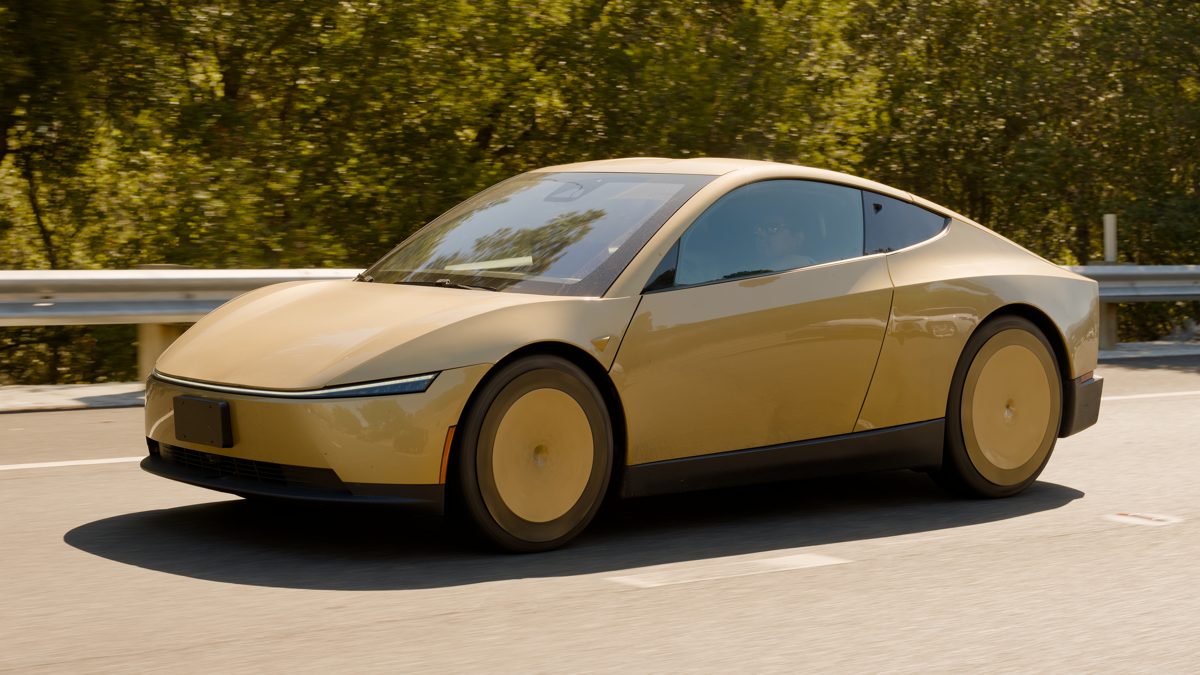
The Cybercab is a two-seat, gold-toned robotaxi with butterfly doors and no steering wheel, pedals or mirrors in its standard form. Tesla has been running it in its robotaxi service in Texas, it joined the unsupervised fleet in Austin on September 3, and vehicle engineering chief Lars Moravy said on the October earnings call that Cybercab production had begun at Giga Texas with output going to Tesla's own fleet, according to coverage summarized by MarketScale. MarketWatch reports Tesla also aims to sell the Cybercab to the public by the end of this year. The pattern is now familiar at Tesla: a few months ago the company stopped building the Model S and Model X in Fremont, California, and reset that space for its Optimus humanoid robot, and analysts read the Cybertruck decision the same way. "Musk is focused on robotics and the robotaxi era," Wedbush analyst Dan Ives told MarketWatch, adding that "the writing was on the wall given [the Cybertruck's] high price points and demand that has been subpar." Morningstar's Seth Goldstein pointed to the 125,000-a-year Texas capacity that can now be redirected.
What this means if you own one, or wanted one
For current owners, the immediate answer came from the truck's own lead engineer. Wes Morrill replied to Musk's post that Tesla "will maintain spare parts and service will continue support," and called the Cybertruck "an incredible technology development platform" that "lives on through Cybercab," pointing to technology that carried over, including its 48-volt electrical architecture and steer-by-wire system, as reported by MarketScale. Musk added that the Cybertruck fleet "will be around for a long time." For buyers, the practical window is the one in Musk's post: new trucks keep coming off the Texas line until roughly the middle of 2027, and Tesla has announced no final edition, no replacement plant and no end date for sales of remaining inventory. What is genuinely over is the experiment's premise. A truck designed to take on Ford and General Motors pickups, priced like a luxury vehicle and styled like nothing else on the road, is being retired in favor of a driverless two-seater, because that is where Tesla now believes its factory floor earns more.
Timeline
| Date | What happened |
|---|---|
| 2019 | Tesla reveals the Cybertruck, promising prices from $39,900 to $69,900. |
| Late 2023 | First customer deliveries, after years of delays. |
| 2024 | U.S. sales reach 38,965, the truck's best year. |
| 2025 | Sales fall 48% to 20,237, far below the line's installed capacity. |
| November 6, 2026 | Musk posts that production winds down around the middle of 2027 to make room for the Cybercab. |
| Mid-2027 | The wind-down takes effect and the line converts to Cybercab production. |
What happens next
Watch three things. First, Tesla's order page: a final-order deadline or quiet price moves will show how the company manages the last year of production. Second, Cybercab timing, since the truck's end date is really the robotaxi's start date, and any slip there could stretch the Cybertruck's run. Third, the used market: a discontinued, low-volume truck with about 59,000 U.S. sales across 2024 and 2025 could hold value as a curiosity, or slide if buyers worry about parts. Tesla has announced no change to service or parts support for existing owners.
Frequently asked questions
When exactly does Cybertruck production end?
Elon Musk said production at Gigafactory Texas winds down around the middle of 2027. Tesla has not published a final production date or a last-order deadline.
Can I still buy a Cybertruck?
Yes. It remains on sale, with the cheapest 2026 configuration starting above $80,000, roughly double the entry price promised at the 2019 reveal.
Why is Tesla ending it so soon?
The sales math is the core of it. The Texas line was built for 125,000 trucks a year and a plan toward 250,000, but U.S. sales fell to 20,237 in 2025. Tesla wants the line for the Cybercab, its planned robotaxi.
What happens to owners when production ends?
Production ending is not support ending. Tesla has announced no change to service, parts or warranty support, and the truck's over-the-air software updates are shared with the wider fleet. Resale values are the open question.
Get this in your inbox: Get tomorrow morning's stories, and updates to this one: the free TrendBrief email lands each morning with the day's top stories, explained, and it will follow the Cybertruck's final year and the Cybercab line that replaces it. Joining takes seconds, and unsubscribing is one click. The signup form is just below.
Sources: MarketWatch (Musk's X post and the mid-2027 Texas conversion, the sunset video, the Model S and X Fremont precedent, the 2019 promised prices against 2026 prices above $80,000 and $102,000, the Cox Automotive totals of about 59,000 U.S. sales across 2024 and 2025 and 11,586 in the first nine months of 2026, the SpaceX purchase disclosure, the Ives and Goldstein analyst comments, the 125,000 capacity figure, and Tesla shares rising about 5% on Friday); Electrek (the roughly three-and-a-half-year production run, sales at about a tenth of the 250,000-a-year plan, the 8,295 "Other Models" deliveries in Q3 2026, the 463 Cybercabs registered in Texas as of late October, and Austin as the only plant tooled for the truck); MarketScale (Morrill's spare-parts and service statement and the technology-platform quote, the Cybercab's September 3 Austin fleet entry and the Moravy production comments, and the open questions on the exact end date). Sales figures are Cox Automotive and Kelley Blue Book estimates, since Tesla does not report Cybertruck deliveries separately.
Read us through Google? Add TrendBrief as a preferred source and Google will boost TrendBrief in your Top Stories when you search.