US News & Politics · Explainer
Trump says US companies that build data centers abroad face a 'tremendous tax': what he announced, and what he cannot do alone
At a White House news conference Friday, President Trump said US tech companies will not be allowed to build AI data centers abroad and threatened a 'tremendous tax' on those that do. There are no details yet, and taxes are Congress's job. What was said, what is already moving, and what would have to happen next.
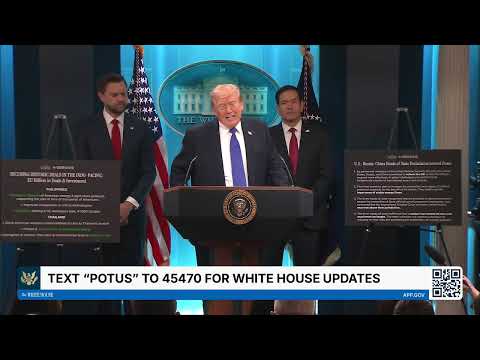
The White House's own video of Friday's news conference, where the data-center remarks were made. Video: The White House on YouTube.
President Trump used a White House news conference on Friday, November 20 — held after his return from a trip through Asia — to draw a line around the AI boom: American companies, he said, will not be allowed to build their data centers in other countries, and those that try will face a heavy tax. No executive order, rate or bill text accompanied the remarks.
What he actually said
According to Reuters' account of the news conference, Trump put it bluntly: "We're not going to allow our companies to build data centers outside of our country." He warned of a "tremendous tax" or other penalties on companies that do, argued that if the facilities are built abroad "China will take them," and named a planned data center in Finland as an example of the building he wants stopped. He also conceded the idea was new even inside his own building, saying he had not yet told his staff about it. Turning to the domestic fights over data centers, he urged American communities to welcome them: "Take advantage, don't shut them off," as USA Today quotes him — "make them pay you a lot of money."
The build-out he is pushing against
What he cannot do by himself
The gap between the announcement and a policy is the story. Under the Constitution, taxes are written by Congress, not imposed by a president at a podium — and as of Friday there is no bill, no proposed rate, no definition of which construction would count, and no statement from the Treasury or Commerce Departments turning the remarks into a program. That does not make the threat empty: presidents shape what Congress takes up, and the administration already moved on a related front this week, with new Commerce Department rules on licensing data centers that rent US-chip computing power to Chinese companies, alongside export restrictions on advanced chips to parts of Southeast Asia. But a company deciding today whether to break ground in Malaysia or Finland has been given a warning, not a rule.
Why data centers, why now
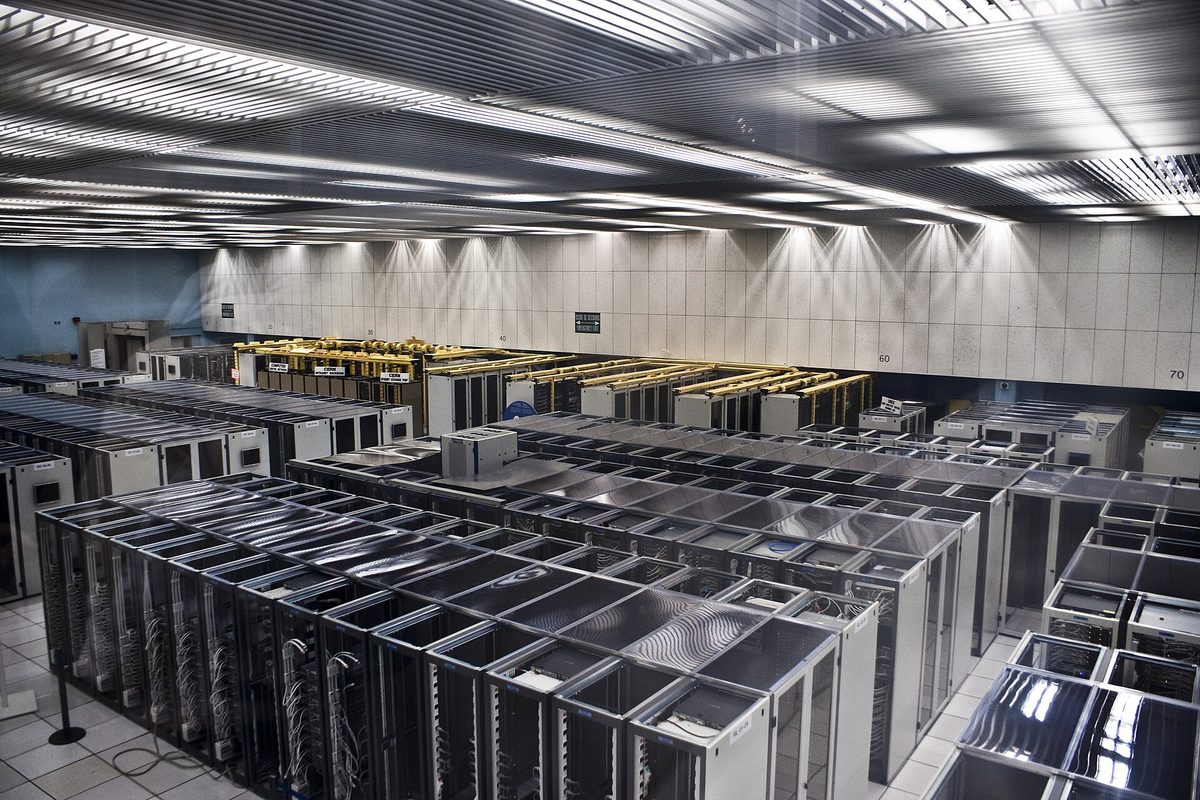
Data centers have become one of the most contested pieces of infrastructure in the country. The AI build-out is spending at a scale that reshapes local power grids and water use, and voters have noticed: TrendBrief covered earlier this month how data-center fights swung races in the midterms, and Congress's own move this week ran in the opposite direction from restriction — making the facilities easier to permit and build inside the US. Trump's argument is the industrial-policy version of the same politics: the jobs, power contracts and strategic capacity of the AI era should sit on American soil, where a rival government cannot seize or squeeze them. The companies' counterargument, visible in the Malaysia and Gulf announcements, is that AI demand is global and the computing has to be built near the customers using it.
What to watch
Three things will show whether Friday's remarks become policy: whether the White House issues anything in writing; whether a tax or penalty bill appears in Congress; and whether any announced overseas project is paused, moved or quietly proceeds. Until one of those happens, the "tremendous tax" is a threat aimed at boardrooms — and boardrooms, judging by this week's announcements, have tens of billions of reasons to wait and see.
Sources: Reuters · USA Today · Morningstar / MarketWatch
Get TrendBrief in your inbox
The day's top stories, explained — free, every morning.
Read us through Google? Add TrendBrief as a preferred source and Google will boost TrendBrief in your Top Stories when you search.