Politics · Explainer
Trump offers $1 million for voter-fraud tips that end in a conviction — what the offer does and does not say
President Trump announced on October 26, 2026, a $1 million reward for reporting voter fraud that leads to an arrest and conviction, covering past elections and the November 3 midterms.

Watch: CNN's report on Trump's $1 million offer for voter fraud tips, from CNN.
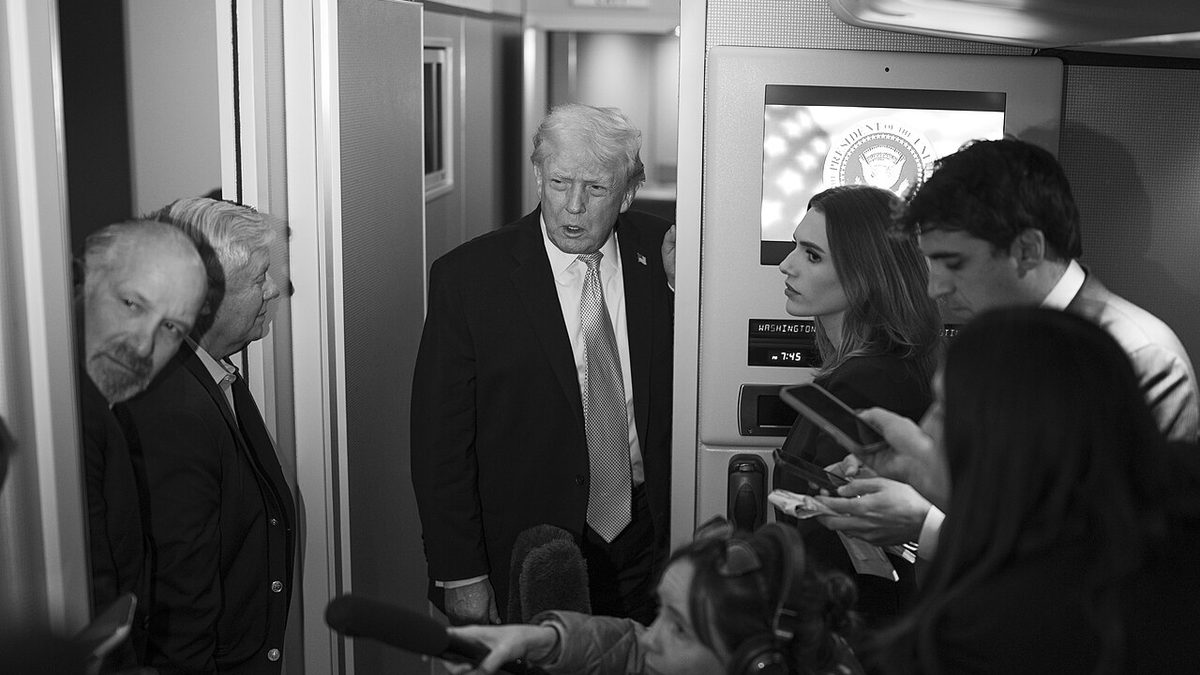
President Donald Trump added a price tag to his long-running election-fraud claims on Monday. According to Reuters, Trump said on Monday, October 26, that the U.S. would give $1 million to anyone who reported voter fraud that leads to an arrest and conviction — barely a week before the November 3 midterm elections. He announced it first in a Truth Social post — "Anybody reporting Voter Fraud in the past Elections, or the upcoming 2026 Midterm Election, will be paid $1,000,000 upon the arrest and conviction of those who created the Fraud!" — and then repeated it to reporters before boarding Air Force One for a campaign rally in Corinth, Mississippi: "I'm also going to be issuing a $1 million bonus or reward, or whatever you want to call it, for anybody that reports voter fraud, leading to the arrest and conviction of somebody," according to USA Today. Note what the condition is: a report alone pays nothing. Under the offer as stated, payment comes only after an arrest and a conviction.
What the announcement does not specify
Almost everything about how this would actually work is missing. According to USA Today, Trump did not say whether he plans to use government funds or his personal resources to pay the rewards. According to Newsmax's account, the statement also does not identify an administering agency, a funding source or an application process, and does not explain what evidence would qualify, how competing claims would be evaluated, or whether the offer applies to state prosecutions, federal cases, or both. The scope in time is unusually broad: it covers fraud in "past Elections" as well as the upcoming midterms. And the timing is the politics: Reuters notes the offer lands eight days before voters decide control of Congress in elections that polls show could prove difficult for Trump's Republican Party. USA Today adds the necessary context that Trump has a long history of leveling baseless claims of voter fraud, particularly involving mail-in voting, and unsuccessfully tried to overturn his 2020 election loss with unsubstantiated fraud claims that courts rejected.
How it differs from the fraud-whistleblower program announced last week
Do not confuse this with the formal program rolled out six days earlier — that one has rules, money and fine print. According to Newsmax, the Justice Department announced on October 20 that its Fraud Whistleblower Incentive Program offers payments of $10,000 to $30,000 for information leading to criminal charges in qualifying cases, paid at the department's discretion after charges are filed, with the Treasury Department committing $25 million to the program; it covers federal healthcare offenses and fraud involving government benefits, with priority for hospice, home healthcare, daycare and special-services cases. USA Today describes a parallel White House framing of that program as a 1% "commission" on amounts recovered, with no limit. The voter-fraud reward, by contrast, is a single flat $1 million figure tied to the much higher bar of a conviction — and, so far, it exists as a social-media post and a tarmac quote, not a program document. The reward also arrived on the same day the administration's separate push over alleged noncitizen ballots hit a setback: a federal appeals court ruled 2-1 against the Justice Department's effort to stop California from counting about 20,000 mail ballots the department says are likely from noncitizens, finding it lacked jurisdiction ahead of a district-court hearing scheduled for Tuesday, according to Citizen's Daily Brief's October 27 summary, citing The Hill. That fight, and the administration's Alaska ballot suit, are covered in our midterms early-voting guide.
Part of a wider pattern of pre-midterm money offers
- $500 rebate checks to about 1 million Americans Trump said were overcharged through the Affordable Care Act's federal exchange, and $90 to 21 million seniors drawn from a Medicare improvement fund, per USA Today.
- A promised $5,000 "dividend" to all American adults if Republicans win control of Congress — an offer USA Today notes even some of Trump's allies criticized as bribery for votes.
- The $1 million reward's real-world test will be mechanical, not rhetorical: whether a submission channel, a paying authority and eligibility rules are ever published. Until then, there is no official place to file a claim under this offer.
- What voters can actually do now: confirm your registration and your state's deadlines at vote.gov — Election Day is Tuesday, November 3, and early voting is already under way in most states, per our state-by-state early voting guide.
For the races this fight is about, see our explainers on the South Carolina Senate race behind Trump's Clemson rally and the FAMU homecoming shooting case that dominated Florida news this weekend.
Read us through Google? Add TrendBrief as a preferred source and Google will boost TrendBrief in your Top Stories when you search.
Sources: Reuters ($1 million for tips leading to arrest and conviction, announced Monday October 26, timing against the midterms); USA Today (Truth Social wording covering past elections and the 2026 midterms, tarmac quote before the Corinth, Mississippi rally, funding source not stated, 1% commission framing of last week's program, $500 rebate checks, $90 senior payments, $5,000 dividend promise and the criticism it drew, history of baseless fraud claims and the rejected 2020 challenges); Newsmax (what the statement leaves unspecified; DOJ Fraud Whistleblower Incentive Program terms — $10,000–$30,000, $25 million Treasury commitment, qualifying case categories); Citizen's Daily Brief (October 27 brief summarizing The Hill: appeals court 2-1 against the DOJ California ballot bid, jurisdiction reasoning, Tuesday district-court hearing, Washington state request).