Tech · Explainer
ULA's Vulcan rocket failed 10 minutes after launch, and all 40 of Amazon's internet satellites were lost
Nine clean minutes, then silence from the Centaur stage. ULA's first failure in two decades costs Amazon 40 satellites, grounds its biggest rocket, and stalls the Pentagon certification that was riding on this flight.
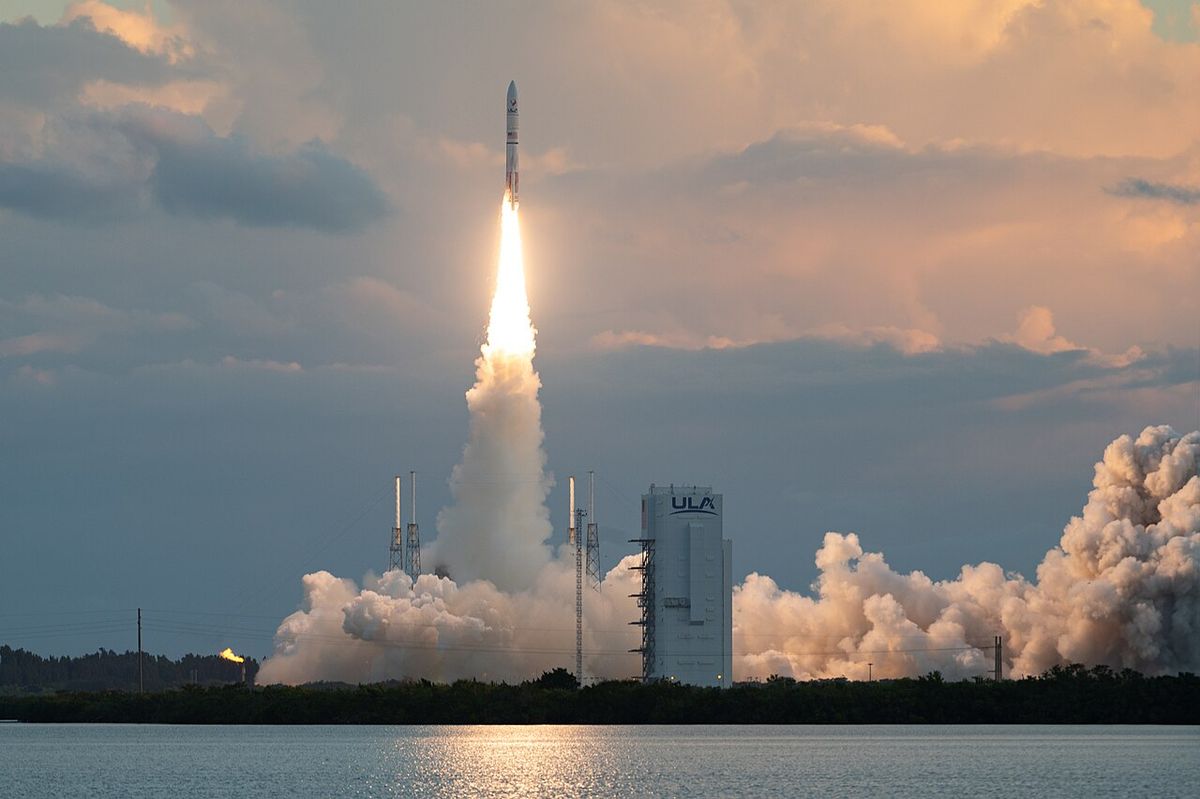

Watch: NASASpaceflight's coverage of the launch and the anomaly, from NASASpaceflight.
The launch looked perfect for nine minutes. According to Reuters, the Vulcan lifted off from Space Launch Complex 41 at Cape Canaveral Space Force Station at 12:40 p.m. Eastern on Sunday, its six solid boosters separated cleanly, and the Centaur upper stage lit for its first burn. About 10 minutes into the flight, during that burn, the vehicle suffered what United Launch Alliance calls an anomaly, and the mission was lost with all 40 Amazon Leo broadband satellites still aboard. ULA confirmed the failure in a statement from its launch director and said it does not yet have the data to explain what happened.
Key facts
Why this particular flight carried so much weight
This was not a routine launch. Vulcan had been grounded for nine months while ULA and the Space Force worked through two earlier problems, a booster nozzle failure on a 2024 certification flight and questions around the BE-4 engines that power the rocket's first stage. Sunday's flight was the return to flight, and it doubled as the mission the Pentagon was watching before deciding whether Vulcan can be trusted with national security payloads. That approval had not been granted yet, and Reuters notes it was pending this mission. A failure on the comeback flight, in the upper stage rather than in either of the systems that had been under investigation, means a lengthy new investigation before Vulcan flies again.
What it means for Amazon Leo
Amazon is building Leo, its satellite internet network, in a race it is currently losing on numbers. It has about 398 satellites deployed against a planned 3,236, and its regulatory clock requires the constellation to be built out on a deadline. Vulcan is the biggest piece of its launch plan, with up to 38 flights booked, more than any other provider. Amazon's statement on Sunday was measured: there is risk with any launch, and ULA has been a trusted partner. But every month Vulcan spends grounded is a month Amazon cannot make up easily, because the heavy launch market has few alternatives and SpaceX, its direct competitor in satellite internet, is not one of them in practice. The gap with Starlink, already past 11,000 satellites, widens while the investigation runs.
What happens next
ULA will lead the investigation with the Space Force and Amazon, working through the telemetry from the Centaur's first burn to find where the flight went wrong. Return-to-flight timelines after an upper stage failure are measured in months, not weeks, and the Pentagon certification decision now waits on the outcome. For the wider US launch industry, the failure deepens a bottleneck that was already tight: one less heavy rocket flying means government and commercial payloads queue longer behind SpaceX's Falcon fleet. The next facts that matter are the investigation's first findings and any statement from the Space Force on certification.
Sources: Reuters (the failure, the timing, Amazon's statement and the constellation numbers); NASASpaceflight (mission LV-01 background, Vulcan's flight history and the earlier booster and engine investigations).
Read us through Google? Add TrendBrief as a preferred source and Google will boost TrendBrief in your Top Stories when you search.