Politics · Explainer
The US struck a missile site on Qeshm Island, and Iran answered in Kuwait and Bahrain
A US strike at the gate of the Strait of Hormuz, an Iranian answer in a country it had not hit since September, and a third night of interceptions in Bahrain. Why this round widens the war's map.
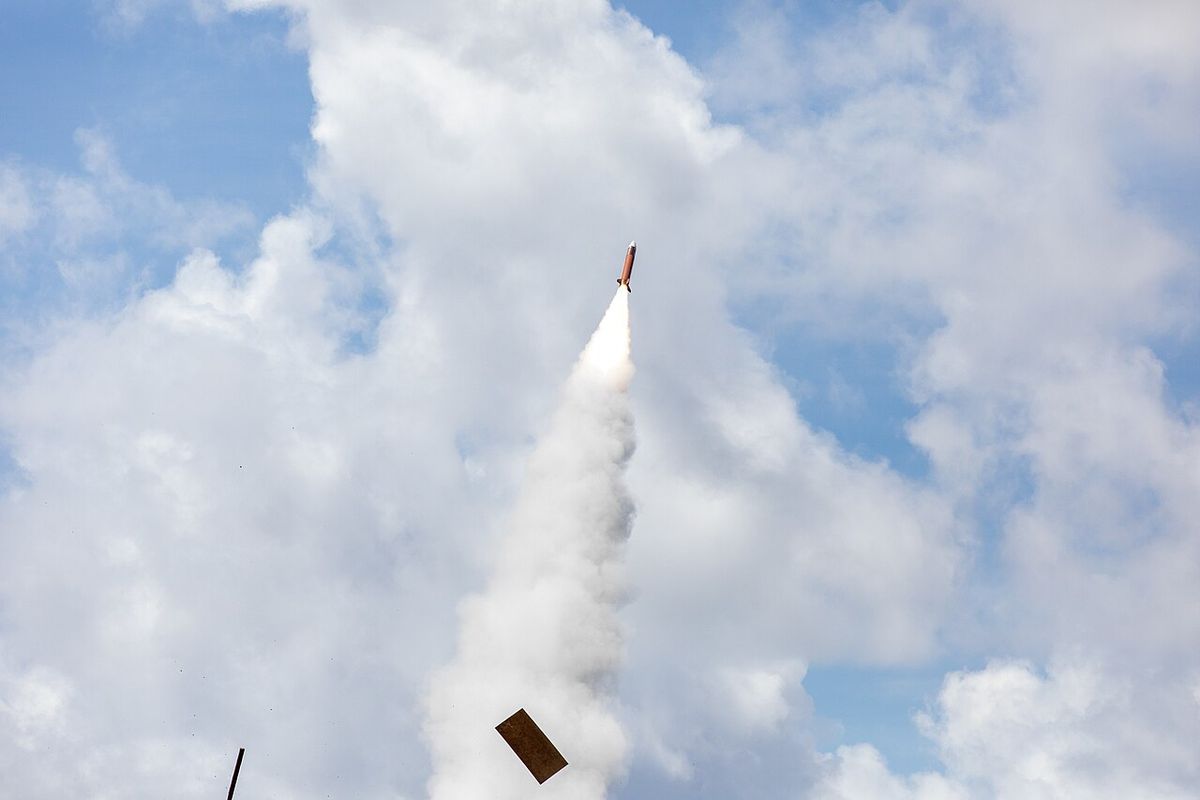
The Gulf war's rhythm is now strike and answer within a single news cycle. According to Reuters, citing a US military official, US fighter aircraft carried out new airstrikes on Iran on Tuesday, targeting a missile launch site on Qeshm Island in retaliation for Iran's targeting of US personnel and assets; the official, speaking on condition of anonymity, offered no further detail. Qeshm is not a random pin on the map: the island sits at the narrow entrance to the Gulf, guarding the Strait of Hormuz, the channel a fifth of the world's oil passes through.
Key facts
The wider ring around the exchange
The Qeshm strike did not happen alone. Yemen's Iran-aligned Houthis said they launched five drones toward two pumping stations on Saudi Arabia's East-West pipeline in the Riyadh area, the pipeline Riyadh uses to move crude while bypassing the strait, and Gulf air defenses spent Tuesday intercepting missiles and drones across several states, per the roundups of the day's fighting. That is the strategic picture in one paragraph: Iran and its allies are probing every route around Hormuz, pipelines included, while the US answers at the launch sites it can identify, and the diplomacy track, the Mecca Joint Defence Pact talks among Turkey, Saudi Arabia and Pakistan, runs in parallel without yet changing the tempo.
Why this round matters more than Monday's
Two things separate Tuesday from the week's earlier exchanges. First, geography: a strike on Qeshm is a strike at the strait's gate itself, a signal about shipping as much as about missiles, arriving a day after CNN's report, covered in our explainer on the dirty-bomb allegations, that US intelligence believes Iran drafted plans for attacks inside Washington, which the White House publicly downplayed. Second, Kuwait: Iran had not attacked Kuwaiti soil since September, and widening the target list to another host state is how regional wars grow their map. What to watch next is whether the retaliation cycle pauses at one round, as it did after Monday's Bahrain interceptions, or whether the strait itself, its shipping lanes and the tankers in them, becomes the target set. Oil traders, notably, are not pricing that yet.
Sources: Reuters on the Qeshm strike (the US official's account); Reuters on Wednesday's Gulf markets (the Ali Al Salem claim, the Bahrain interceptions and the oil and bourse reaction); Just Security's Early Edition (the Houthi pipeline claim and the regional roundup).
Read us through Google? Add TrendBrief as a preferred source and Google will boost TrendBrief in your Top Stories when you search.