Politics · Explainer
What happens during a US government shutdown: who keeps working, who goes home, and who gets paid
A shutdown is a funding gap, not a power switch. A 19th-century law bars agencies from spending money Congress has not approved, so some employees work without pay, others are sent home, and checks stop until Congress acts.
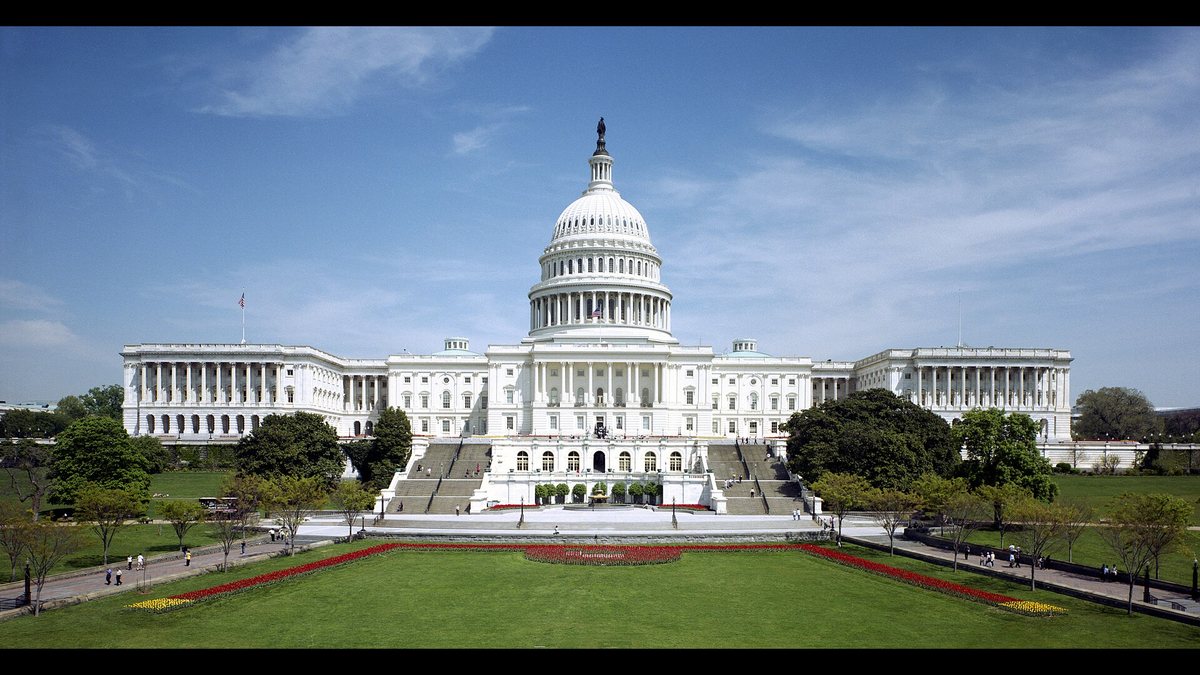

Watch: VOA News explains what a government shutdown is and what stops when funding lapses, from Voice of America.
When Washington "shuts down," the government does not close. Parts of it are legally forbidden from spending money, other parts keep running on money that never needed Congress's yearly permission, and more than a million federal employees find out which of two lists they are on. With federal funding currently set to run out on December 11, 2026, here is what actually happens, in the order it happens.
Key facts
The rule that forces it: no funding, no spending
The Constitution gives Congress the power of the purse, and the Antideficiency Act makes that power concrete: federal agencies may not spend or commit money that Congress has not appropriated, and in most cases they may not even accept free help, because voluntary services are also barred. Congress is supposed to pass 12 appropriations bills each year to fund the government for the fiscal year that starts October 1. When it passes none of them, and no temporary stopgap either, the result is a funding gap. Two Justice Department opinions from 1980 and 1981, written by Attorney General Benjamin Civiletti, established how agencies must behave in a gap: only work that is authorized by law, required by the Constitution, needed for an orderly shutdown, or tied to the safety of human life or the protection of property may continue. Everything else stops, by law, not by choice.
The two lists: excepted and furloughed
Every agency keeps a shutdown plan that sorts its employees into two groups. "Excepted" employees keep working because their jobs protect life and property: service members, air traffic controllers, TSA screeners, federal law enforcement agents, and hospital staff at veterans' hospitals are the standard examples. They work without pay for the duration, because there is no appropriation to pay them with. "Furloughed" employees are sent home and legally barred from working, even if they want to. They may not check email, finish a report, or volunteer, because the same law that stops the spending also stops the government from accepting their labor. The fall 2025 shutdown, recapped in Congressional Research Service and Congressional Budget Office analyses, left roughly 1.4 million federal employees without pay in total, split roughly evenly between the two groups. Which list you are on can differ between two desks in the same building, because the test is the function, not the agency.
What stays open anyway
A large share of the federal government never appears on either list, because it is not funded by the annual bills at all. Social Security, Medicare and Medicaid run on mandatory spending and dedicated taxes, so benefit checks keep going out. The post office funds itself. Federal courts keep operating for a few weeks on fee balances before cutting back to essential cases. National parks and Smithsonian museums, funded by the annual bills, are the visible closures: gates locked, visitor centers dark. The pattern to remember is that a shutdown follows the funding stream, not the importance of the service. An obscure fee-funded office can stay open while a famous museum closes.
The money question: back pay is guaranteed, eventually
For decades, whether furloughed workers would be paid for the shutdown depended on Congress voting to make them whole afterward, which it always did but never promised in advance. The Government Employee Fair Treatment Act of 2019 changed that: back pay at the standard rate is now guaranteed by law for both furloughed and excepted employees, paid as soon as possible after funding returns. "As soon as possible" can still mean weeks of missed or partial paychecks during a long shutdown, because payroll cannot run until the money exists again. Furloughed employees can file for unemployment benefits through the federal UCFE program in the meantime, but benefits received have to be repaid once back pay arrives. Contractors are the exposed group: the guarantee covers federal employees, and companies that staff closed facilities often get nothing for the lost weeks.
How it ends, and where things stand now
A shutdown ends the way it began, with a signature: Congress passes the regular bills or another stopgap, the president signs, and agencies recall their staff. There is no mechanism that ends one automatically, which is why the length of a shutdown is a political negotiation measured in missed paychecks. Right now, the government is funded through December 11, 2026 under a stopgap signed on September 2, so the next possible shutdown begins December 12. For how the politics got here, see our coverage of the 2026 midterm results and the Election Day guide that tracked the night the new Congress was chosen.
Get this in your inbox: Get tomorrow morning's stories, and updates to this one: the free TrendBrief email lands each morning with the day's top stories, explained, and it will track the December funding deadline as it approaches. Joining takes seconds, and unsubscribing is one click. The signup form is just below.
Sources: Congressional Research Service, Federal Funding Gaps: A Brief Overview (RS20348) and Shutdown of the Federal Government: Causes, Processes, and Effects (the funding gap mechanics, the Civiletti opinions, and the excepted and furloughed categories); the Antideficiency Act, 31 U.S.C. sections 1341 and 1342; the Government Employee Fair Treatment Act of 2019 (guaranteed back pay at the standard rate, paid as soon as possible after a lapse ends); Congressional Budget Office and Congressional Research Service analyses of the fall 2025 shutdown (roughly 1.4 million employees without pay, and the December 11, 2026 funding deadline under the stopgap signed September 2, 2026); Voice of America, Explainer: Government Shutdown.
Read us through Google? Add TrendBrief as a preferred source and Google will boost TrendBrief in your Top Stories when you search.