Money · Explainer
Microsoft beats, Alphabet misses: Google Cloud doubled, but a $9.1 billion cash burn sank Alphabet's stock
Microsoft and Alphabet reported on the same night and the market split them instantly: Microsoft beat on revenue and profit with Azure up 48% and $18.6 billion of free cash flow, while Alphabet missed, posted negative $9.1 billion of free cash flow and fell about 10% after hours — even as Google Cloud grew 103%.
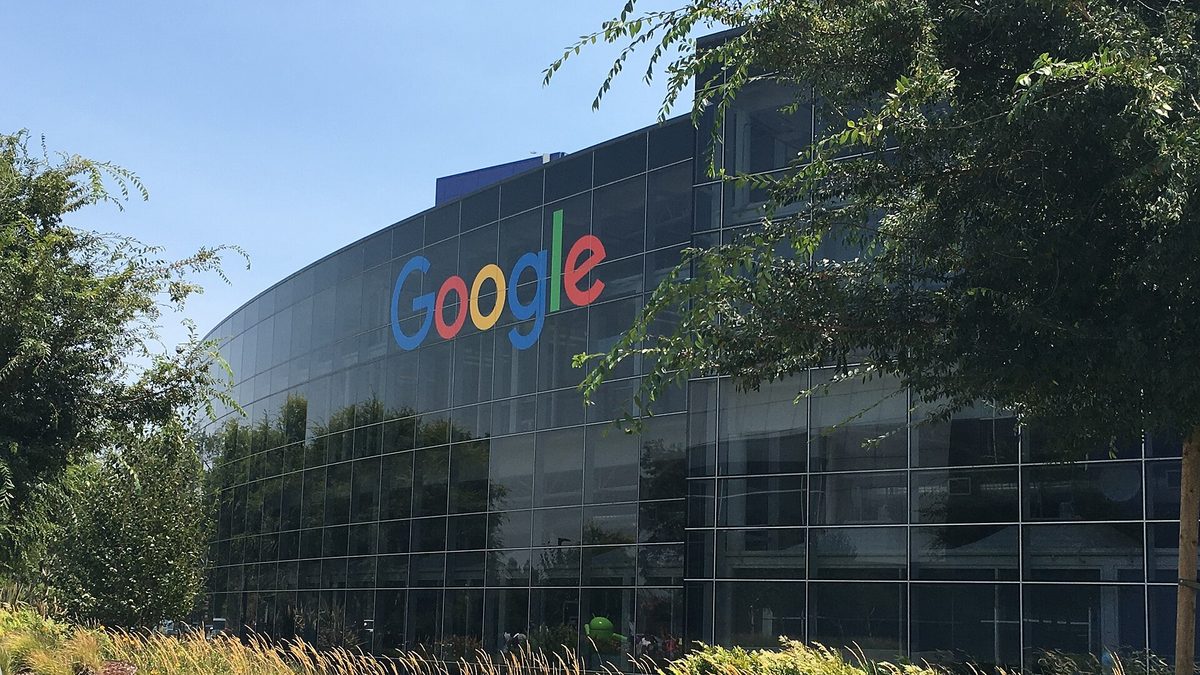
Update — Thursday, October 29, 2026: Alphabet's slide deepened into a record one-day fall, and Microsoft gave back its gain
Thursday's regular session turned Wednesday night's split into a rout on one side. The tech-heavy Nasdaq fell more than 1% on Thursday as Alphabet shares skidded 11.7% and were set for their steepest one-day fall on record, according to Reuters. The Google parent was on track to lose more than $464 billion in market value — accounting for most of the over $500 billion the Nasdaq-100 was set to erase if the losses held — after disappointing search-advertising results and a surge in cash burn as AI spending accelerated, per Reuters. Microsoft's after-hours gain did not survive the day either: its shares fell 1.5% following media reports that the company is planning to raise at least $25 billion through a bond sale, even though it had delivered a big cash-flow beat and forecast strong cloud growth on Wednesday, per Reuters.
The thread connecting the two moves is debt. "The factors that are at play that's creating these manic depressive sentiment swings is you have an ecosystem around the AI buildout that is increasingly debt financed," Trevor Slaven, global head of asset allocation at Barings, told Reuters, adding that the leverage "creates a bit more risk in the system as well." Amazon — which dropped 2.9% on Thursday ahead of its own results — reports after Thursday's close, and its numbers will test the same question, per Reuters. (Thursday's figures are intraday, as reported by Reuters during the session.)
Two AI giants reported earnings within minutes of each other on Wednesday night, and investors treated them as opposite answers to the same question: can you spend tens of billions on AI data centers and still make cash? Microsoft's answer was yes. Alphabet's, this quarter, was no — and its stock fell about 10% in after-hours trading while Microsoft's rose about 4%, according to the DigiTech Bytes summary of the two reports and CNBC's coverage. By Thursday morning the split was dragging the whole tech sector: Nasdaq-100 futures fell about 1.4%, per Investopedia's morning market briefing.
The scoreboard, from the two earnings releases
- Microsoft revenue: $92.3 billion, up 19% year over year, beating the $90.7 billion analysts expected (LSEG via CNBC). Adjusted earnings were $4.89 a share against $4.73 expected; net income was $36.6 billion.
- Azure: revenue grew 48% to $33.2 billion — ahead of the 45% Microsoft had guided to in July, and disclosed in dollar terms for the first time.
- Alphabet revenue: $127.6 billion, up 25%, but just short of the $128.2 billion expected. Adjusted earnings of $2.67 a share missed the $3.02 expected; reported net income fell 25% to $26.2 billion after an $8.7 billion loss on equity holdings.
- Google Cloud: revenue more than doubled, up 103% to $30.7 billion, beating estimates — the fastest growth on either scorecard. But search advertising and YouTube ads both came in light.
- The cash divide: Microsoft generated $18.6 billion of free cash flow. Alphabet burned $9.1 billion — its second straight negative quarter — after $51.4 billion of capital spending in three months.
The figures above are drawn from the companies' October 28 earnings releases (SEC Form 8-K), as tabulated by VLSI's 13-facts summary of the two filings.
Why the faster-growing cloud lost
Alphabet's miss was the company's first on both revenue and profit in nearly four years, per CNBC, and the details explain the reaction. Capital spending hit $51.4 billion in the quarter, free cash flow went $9.1 billion negative against expectations of roughly breaking even, and the company funded the gap in ways it normally does not: it issued $28.7 billion in bonds and sold $12.4 billion of new shares while pausing buybacks, per MarketBriefer's earnings analysis. Management also kept the full-year capital-spending forecast at $195 billion to $205 billion and said spending will rise significantly again in 2027. Microsoft's quarter had the opposite shape: $45.2 billion of capital spending including finance leases came in below its own $50 billion projection, and the cash left over was well above what analysts expected. Both companies said demand for AI computing still exceeds the capacity they can build — the difference investors priced is who pays for the building out of cash flow, and who borrows and issues stock to do it.
What it means, and what reports next
This is the same AI-spending question running through the whole earnings season — it is why Anthropic's IPO filing disclosed more than $220 billion of Google and Amazon compute commitments, and why the market punished Meta's spending plans last week. It also lands on a central bank already worried about AI-driven price pressure: the Fed held rates at 3.75%-4.00% on Wednesday with two officials voting for a hike. The next answers come quickly: Amazon reports Thursday night, completing the hyperscaler picture with AWS, and Alphabet's December-quarter numbers will show whether the cash burn was a one-quarter trough or the new cost of staying in the AI race.
Read us through Google? Add TrendBrief as a preferred source and Google will boost TrendBrief in your Top Stories when you search.
Sources: the companies' earnings releases of October 28, 2026 (SEC Form 8-K Exhibit 99.1 for both Microsoft and Alphabet), as tabulated by VLSI (revenue, cloud revenue, operating and net income, capital spending and free cash flow for both companies); DigiTech Bytes (the roughly +4% and −10% after-hours moves, the LSEG analyst expectations via CNBC, Azure's first dollar disclosure and Alphabet's first revenue-and-profit miss in nearly four years); MarketBriefer (Alphabet's $28.7 billion bond issue, $12.4 billion share sale, paused buybacks, the $195–205 billion full-year capital-spending forecast and the CFO's 2027 spending comment); Investopedia (Thursday-morning futures, Amazon reporting Thursday night). Update, October 29, 2026: Reuters (Thursday intraday trading: the Nasdaq down more than 1%, Alphabet down 11.7% and set for its steepest one-day fall on record with more than $464 billion of market value on track to be erased, Microsoft down 1.5% after reports of a planned bond sale of at least $25 billion, Amazon down 2.9% ahead of its results, and the Barings quote on the increasingly debt-financed AI buildout).