Money · Explainer
Hiring jumped in October: 165,000 jobs added, unemployment fell to 4.1%, and the Fed's December decision just got harder
The U.S. added 165,000 jobs in October, nearly three times what economists expected, the Bureau of Labor Statistics reported Friday, and August and September were revised up by a combined 84,000.
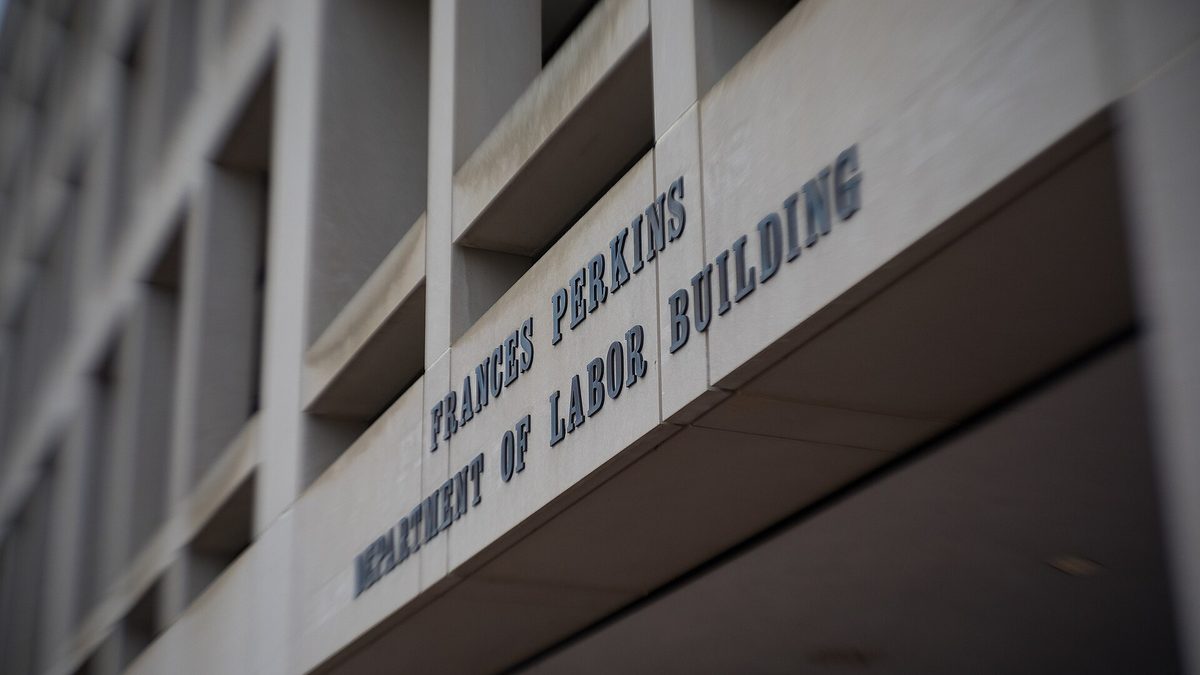
The job market was supposed to be cooling. Instead it just posted its strongest month in a while. According to the U.S. Bureau of Labor Statistics, employers added 165,000 jobs in October, well above the average monthly gain of 48,000 over the prior 12 months and far above forecasts: economists surveyed put the expected gain at about 59,000 in the Dow Jones consensus reported by CNBC and 65,000 in the Reuters poll. The unemployment rate dipped to 4.1% from 4.2% in September, and the two prior months turned out stronger than first reported: August was revised up by 53,000 to 186,000, and September up by 31,000 to 60,000, a combined 84,000 extra jobs.
Key facts
Key facts
Where the jobs came from
Professional and business services did the heavy lifting, adding 70,000 jobs, well above its average monthly gain of 15,000 over the prior year, according to the Bureau of Labor Statistics. Inside that total, professional, scientific and technical services added 33,000, administrative and support services 28,000, and management of companies 9,000, and the sector has now added 269,000 jobs since its low in October 2025. The Wall Street Journal noted that the white-collar surge could be a sign artificial intelligence is not yet sapping office jobs to the degree some fear. Health care added 42,000, above its 31,000 average, led by hospitals at 16,000, home health care at 11,000 and outpatient care centers at 5,000. Transportation and warehousing added 25,000, mostly couriers and messengers at 17,000, and manufacturing added 19,000, including 7,000 in computer and electronic product manufacturing, a gain other coverage linked in part to the AI data center buildout. Most other major industries, including construction, retail and government, changed little.
The softer details under the strong headline
The household side of the report is more mixed. The number of unemployed people, 7.1 million, changed little, and the unemployment rate has sat in a narrow 4.1% to 4.3% range since March. The labor force participation rate held at 61.9%. People working part time for economic reasons, meaning they wanted full-time hours but could not get them, rose by 339,000 to 4.8 million. Long-term unemployment, joblessness of 27 weeks or more, held at 2.0 million, which is 27.6% of everyone unemployed. And pay growth of 3.1% over the year still trails inflation, which was running at 3.7% in the most recent consumer price data. In other words, hiring is stronger than expected, but a large share of workers are still not getting ahead.
Why the Federal Reserve is the real audience
The report landed the morning after Wall Street's worst selloff since April 2025, and its main effect is on interest rates. As Reuters put it, a resilient labor market gives the Fed more scope to focus on inflation stemming from the Middle East conflict, and economists expect a rate hike in December. The central bank held rates at 3.75% to 4.00% on October 28, with two officials already dissenting in favor of a hike, and the September inflation data this report follows showed prices still rising faster than the Fed's 2% target. Traders moved quickly: the odds of a quarter-point December hike rose from 67% before the report to 76.8% after it, according to CME FedWatch figures reported by BeInCrypto. Higher-for-longer rates are exactly the backdrop keeping the 30-year mortgage near 7.18%, as our mortgage rates explainer tracks week to week.
What to watch next
The next test arrives quickly. The Bureau of Labor Statistics releases October consumer price data on Tuesday, and a hot inflation print on top of strong hiring would make a December hike close to a lock, while a cool one would reopen the argument. The Fed meets December 8 and 9 with fresh rate projections. For workers, the near-term picture is simpler: employers are hiring again at a pace nobody forecast, the unemployment rate is at the low end of its recent range, and the sectors doing the hiring, professional services, health care, delivery and parts of manufacturing, are the ones to watch.
Timeline
| Date | What happened |
|---|---|
| August 2026 | First reported weakly, then revised up by 53,000 to 186,000 jobs. |
| September 2026 | Also revised up, completing a combined +84,000 revision with August. |
| Friday, November 6 | The October report lands at 165,000 jobs with unemployment at 4.1%. |
| Early December | The November jobs report, the last one before the Fed meets. |
| December 2026 | The Federal Reserve's next rate decision, now with a stronger jobs picture to weigh. |
What happens next
The November jobs report, due in early December, is the last major data release before the Federal Reserve's December meeting, and it now carries unusual weight. One strong month can be noise; two in a row, on top of upward revisions, would cement the case that the labor market is re-accelerating, which pushes the Fed toward the hike markets already expect. Watch the revisions as much as the headline: this report's own +84,000 in revisions to August and September changed the story those months told. The rate side of the same coin is tracked in how mortgage rates are set.
Frequently asked questions
Why did forecasters miss October by so much?
The consensus expected about 59,000 jobs (Dow Jones) to 65,000 (Reuters). The miss came from both directions: October itself was stronger than the economy's recent trend, and the two prior months were revised up by a combined 84,000, which rewrote the baseline the forecasts were built on.
Can hiring jump while unemployment also falls?
Yes. The two figures come from different surveys: payroll jobs from employers, the unemployment rate from households. October's combination, more jobs and a lower unemployment rate of 4.1%, is the clean strong report the Fed watches most carefully.
What does a strong jobs report mean for interest rates?
A hot labor market makes the Federal Reserve more comfortable raising rates, or less willing to cut them, because employment strength can feed inflation. That is why this report was read as making the Fed's December decision harder, and it is also why mortgage rates, which follow bond yields, can rise on good jobs news.
What are revisions, and why do they matter?
The Bureau of Labor Statistics refines each month's count as more employer responses arrive. August was revised up by 53,000, to 186,000. Revisions matter because the first headline often describes a different economy than the revised data does.
Get this in your inbox: Get tomorrow morning's stories, and updates to this one: the free TrendBrief email lands each morning with the day's top stories, explained, and the November jobs report in early December is this story's next chapter. Joining takes seconds, and unsubscribing is one click. The signup form is just below.
Sources: U.S. Bureau of Labor Statistics, Employment Situation, October 2026, full release text via Material Handling Wholesaler (the 165,000 headline, the sector gains and their detail, the household survey figures, earnings, hours, participation and the revisions); Reuters (the 65,000 poll forecast, the breakeven hiring rate, the Fed framing and the December hike expectation); CNBC, via Forex Factory (the 59,000 Dow Jones estimate); The Wall Street Journal (the professional services surge and the artificial intelligence observation, and manufacturing detail); BeInCrypto (CME FedWatch December hike odds before and after the report, and the December 8-9 meeting dates); CNN (corroboration of the headline, the rate and the revisions).
Read us through Google? Add TrendBrief as a preferred source and Google will boost TrendBrief in your Top Stories when you search.