US News & Politics · Explainer
The U.S. and Israel have a three-day strike plan for Iran — and a calendar problem
Two reports this week describe the same thing from different sources: the United States and Israel have drawn up detailed plans for a renewed strike campaign against Iran, timed for after the U.S. midterm elections on November 3. According to the New York Times reporting, summarized by JFeed, the plan is a short, intensive operation of roughly three days. Separately, a person briefed on the war planning told NPR the U.S. is amassing forces to be ready to attack by early November — while cautioning the buildup could also be pressure aimed at forcing a diplomatic deal. No operation has been approved.
What the plan would hit
Per the Times account via JFeed, the target set is Iran's nuclear facilities, energy infrastructure, and missile and drone arsenals, and could include Pickaxe Mountain, a deeply buried nuclear-related site. Some U.S. planners believe three days of strikes could do enough economic damage to force Tehran into nuclear concessions. Preparations have intensified: U.S. and Israeli aircraft have flown over Iraq rehearsing strike maneuvers, and Defense Secretary Pete Hegseth discussed renewed attacks with Prime Minister Benjamin Netanyahu during an unannounced visit to Israel this week — a meeting also reported as taking place on October 19 at Ovda air base, the same day dozens of Israeli jets and tankers flew roughly 1,300 km (800 miles) toward Iran's border and back.
Why it waits: two elections and one veto pen
- Trump's pledge: on October 8, Trump wrote on Truth Social, "We will not be attacking Iran at any time prior to the Midterm Elections to be held in the United States on November 3rd." The Times reported he has vetoed several proposals to return to major combat this year, most recently earlier this month.
- How close October came is disputed: the Financial Times reported Israel was ready to strike the weekend of October 10, targeting power plants and other infrastructure, before Trump stopped it; the Jerusalem Post, citing IDF sources, reported no strike had been planned for October 10. Both accounts are carried in JFeed's summary of the reporting.
- Israel votes first: Israeli elections are October 27, with Netanyahu campaigning on a threat to topple Iran's regime, per NPR. The Times noted a Netanyahu loss would leave him a caretaker prime minister, which experts say could make launching a war harder.
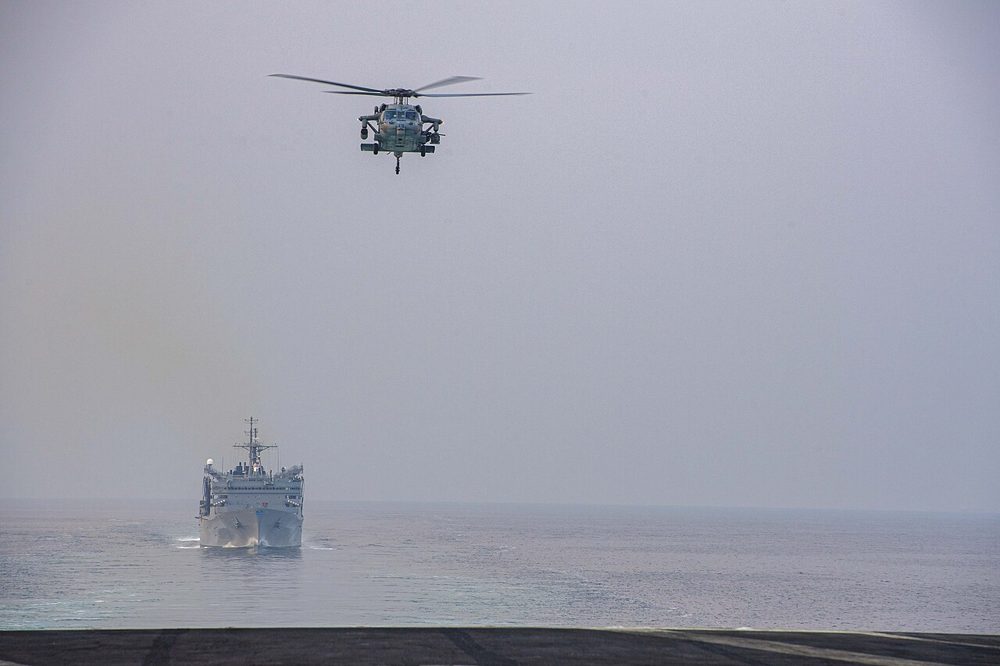
- The force and the dark: officials told the Times the full U.S. complement in the region — three aircraft carriers, thousands of Marines, fighter jets and special operations units — will not be in place until early November, and early November also brings more hours of darkness over Iran for night operations.
- Trump's own words this week: he told NewsNation on Wednesday the U.S. is "not negotiating" with Iran and something would happen "fairly soon," adding that most people think it will be after the election. A White House official told the Times the administration does not comment on military plans "that may or may not exist," and that Trump is keeping all options open to prevent Iran from obtaining nuclear weapons.
The war this would restart
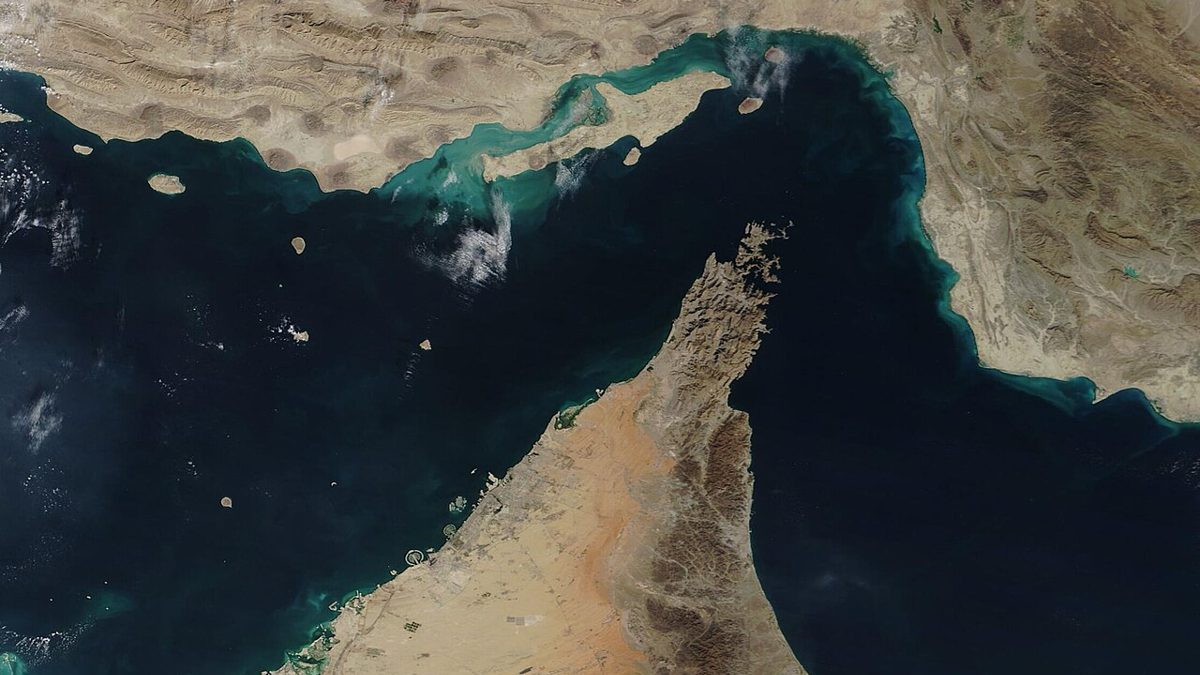
The U.S. and Israel launched the war on February 28, killing Iran's supreme leader and senior officials, according to NPR's account. A ceasefire announced April 7 was formalized in a June 17 memorandum, but Trump declared the deal over on July 8 after Iranian attacks on shipping, and the last U.S. strikes were on September 1. Iran has blocked the Strait of Hormuz since the war began, and the U.S. has blockaded Iranian ports and oil shipments in response. NPR also reported Iranian state media said seven oil tankers in the strait were targeted by the Revolutionary Guard on Thursday — four caught fire and three hit naval mines. The economic stakes are already large: a new IMF report cited by NPR expects contractions of around 16% this year for Iraq, Kuwait and Qatar, and projects oil averaging $130 a barrel in 2027 if the war and supply disruptions continue. Brent crude closed around $111.70 this week.
What Iran says it would do
Foreign Minister Abbas Araghchi told Iranian state media Thursday, "We are just as prepared for diplomacy as we are for war," and "Any scenario is conceivable, including the possibility of an attack by the U.S. and Israel," per NPR. Iranian officials have warned a response could extend to Saudi oil refineries, Gulf data centers and undersea internet cables; a Revolutionary Guard political deputy said Iran was prepared to destroy internet cables under the Strait of Hormuz. The counter-argument to the plan is on the record too: Dana Stroul, a former senior Pentagon official for Middle East policy, said neither Trump nor Netanyahu has "made a compelling case for how more war would change this strategic dilemma" — and the earlier campaign already raised global energy costs and depleted U.S. interceptor stocks.
The immediate calendar is the story: Israel votes October 27, Americans vote November 3 — see our midterms early-voting guide for the windows already open — and the reported strike window opens right after. For the other Washington story this week, see the judge's order in Trump's $10 billion BBC lawsuit and the rowdy night at his Clemson rally.
Read us through Google? Add TrendBrief as a preferred source and Google will put our explainers first in your Top Stories and AI results.
Sources: JFeed, summarizing the New York Times (three-day plan, target set incl. Pickaxe Mountain, Iraq rehearsal flights, Hegseth meeting, vetoes, October 8 pledge, FT vs. Jerusalem Post dispute, force timing, White House comment); NPR via WNCW (force buildup for early November, pressure-campaign caveat, Araghchi quotes, Feb. 28 war start, Hormuz blockade, tanker report, IMF projections); ConflictAlert News (April 7 ceasefire, June 17 memorandum, July 8 collapse, September 1 last strikes, Stroul quote); YAC News (October 19 Ovda meeting and 1,300 km sortie detail, Trump's October 21 remarks). All strike plans are reported plans attributed to officials and people briefed on them; none has been announced or approved.