Tech · Explainer
SpaceX wants 80,000 cell sites — and a shot at becoming America's fourth phone carrier
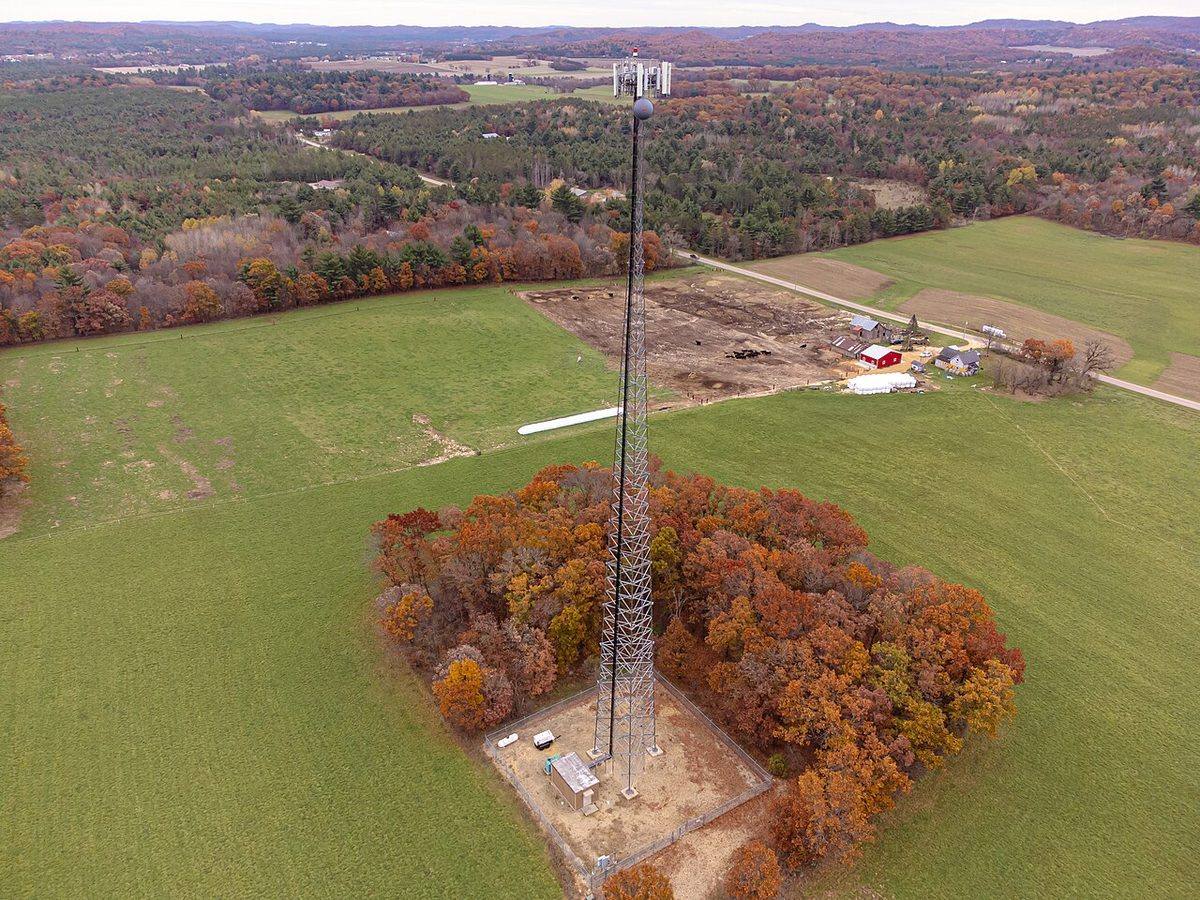
SpaceX is in talks with cellular infrastructure companies to secure access to at least 80,000 cell sites across the United States, according to Bloomberg News, reported by Reuters on Thursday, citing people familiar with the matter. If the deals land, they would solidify the rocket and satellite company's path toward building a fourth nationwide wireless carrier — a direct challenge to AT&T, Verizon and T-Mobile, whose three-way grip on the US market has held since T-Mobile absorbed Sprint in 2020.
How big is 80,000 sites?
It is roughly half the country's entire tower stock. The 80,000 sites would equal half of the 158,500 purpose-built cell towers operating in the US last year, according to the Wireless Infrastructure Association figures cited by Bloomberg. No single landlord owns that many: Crown Castle operates about 40,000 US towers, American Tower about 42,000, and privately held Vertical Bridge around 18,000 — which is why SpaceX would need leases across several owners, not one deal.
- 80,000+ — cell sites SpaceX is seeking, per Bloomberg
- 158,500 — purpose-built US cell towers in operation last year (Wireless Infrastructure Association)
- $80 billion+ — TD Cowen's estimate of what a nationwide terrestrial network would cost
- 15,000 — satellites in SpaceX's FCC authorization for direct-to-phone service
Why a satellite company needs ground towers
SpaceX already connects phones from orbit: it is buying nationwide low-band spectrum and holds FCC authorization for 15,000 satellites designed to support direct-to-phone service, according to Stocktwits' summary of the Bloomberg report. Satellites excel where towers don't reach, but capacity in cities comes from dense ground networks — hence the tower hunt. As Elon Musk put it on the company's earnings call, quoted by Stocktwits: "We will be building out our terrestrial networks so there's broad-based connectivity anywhere that SpaceX and Starlink are allowed to operate." Crown Castle CEO Christian Hillabrant, asked on Wednesday about potential leases with SpaceX and Amazon, said his company was talking to "all parties" but declined to discuss specific customers, Bloomberg reported. SpaceX and the tower companies did not immediately respond to Reuters requests for comment.
The market voted immediately
Investors treated the report as a real threat to the incumbents and a windfall for the landlords. Shares of AT&T, Verizon and T-Mobile fell between 4.2% and 5% in extended trading, according to TradingView's summary of the Bloomberg report, while American Tower rose 4.3% after hours and Crown Castle jumped about 10%. The slide continued into Friday's premarket, with the three carriers down close to 4% again and European telecoms — Deutsche Telekom, Vodafone and Orange — also lower, Dow Jones Newswires reported via Morningstar. Investopedia's Friday market preview likewise flagged surging cell-tower stocks on the SpaceX report as one of the morning's lead stories.
What would still have to happen
A tower lease is not a phone network. TD Cowen's estimate, cited by Bloomberg, puts the cost of a nationwide terrestrial build above $80 billion, requiring many years and billions in additional spending — radios, backhaul, stores, support and spectrum integration on top of the leases themselves. But the direction is now explicit: spectrum bought, satellites authorized, and the ground network being negotiated. For the first time since the Sprint merger, the US wireless market may be heading back to four national carriers — and the fourth one launches rockets.
Sources: Bloomberg News via Reuters (Metapress) (80,000 sites, Crown Castle talks, tower counts, TD Cowen estimate, carrier share moves); TradingView / Seeking Alpha (American Tower and Crown Castle gains); Dow Jones via Morningstar (Friday premarket and European moves, Sprint-era context); Stocktwits (FCC satellite authorization, Musk earnings-call quote); Investopedia (Friday market context). Talks are reported, not announced; no lease has been confirmed by the companies.